
Free
Testing & security
Review Delta
Review changes since the latest commit with incremental impact and blast radius analysis.
32.2KStars3KForks
Repository last pushed
tirth8205
Original workflows for websites, images, presentations, and everything in motion.
Review changes since the latest commit with incremental impact and blast radius analysis.
Review code changes using detected modifications and their effects on dependent code.
Build and incrementally update the dependency graph used by code-review-graph.
Review code for security, correctness, performance, maintainability and testing gaps.
Use a repository knowledge graph to locate relevant code and investigate reported issues.
Plan refactoring with dependency relationships and change impact analysis.
Graph-based code exploration, debugging, refactoring, and change review workflows.
Explore repository structure, symbols, and dependencies through the code review knowledge graph.
Review pull requests and branch diffs with graph context and a structured impact report.
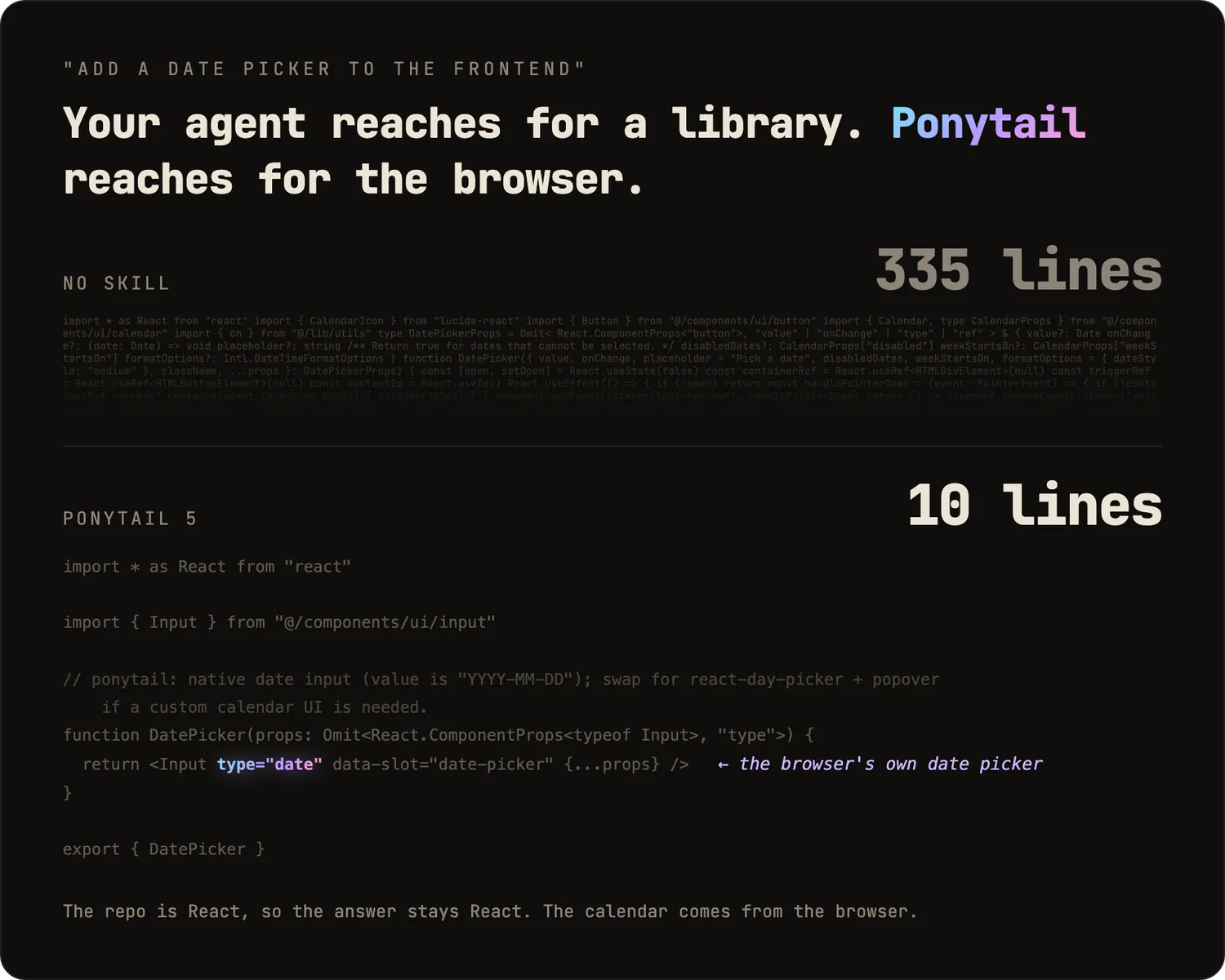
Review a change and its connected code for correctness, safety, performance and unnecessary complexity.
Performs AI-powered code review on Git changes using the `ocr` CLI from alibaba/open-code-review.
Delegation mode for open-code-review (OCR).
Review Git changes with the OCR CLI, using either a configured model provider or the host agent for review reasoning.
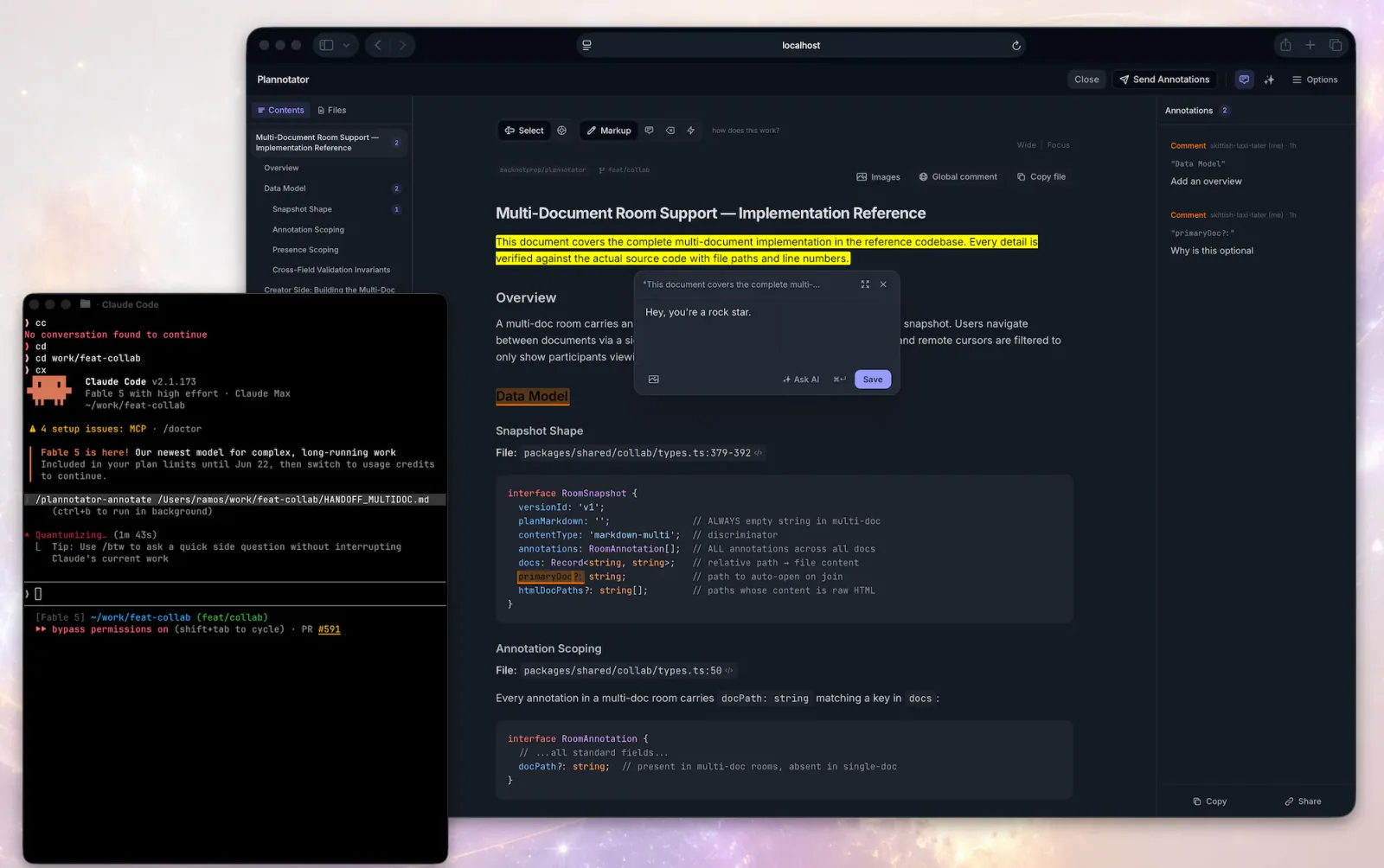
Review Renovate bot PRs that update GitHub Actions dependencies. Verifies supply chain integrity by checking pinned commit SHAs against upstream tagged releases, reviews changelogs for breaking changes, and confirms compatibility with existing workflow configurations.
Read and triage existing pull request review comments, or address them when requested.
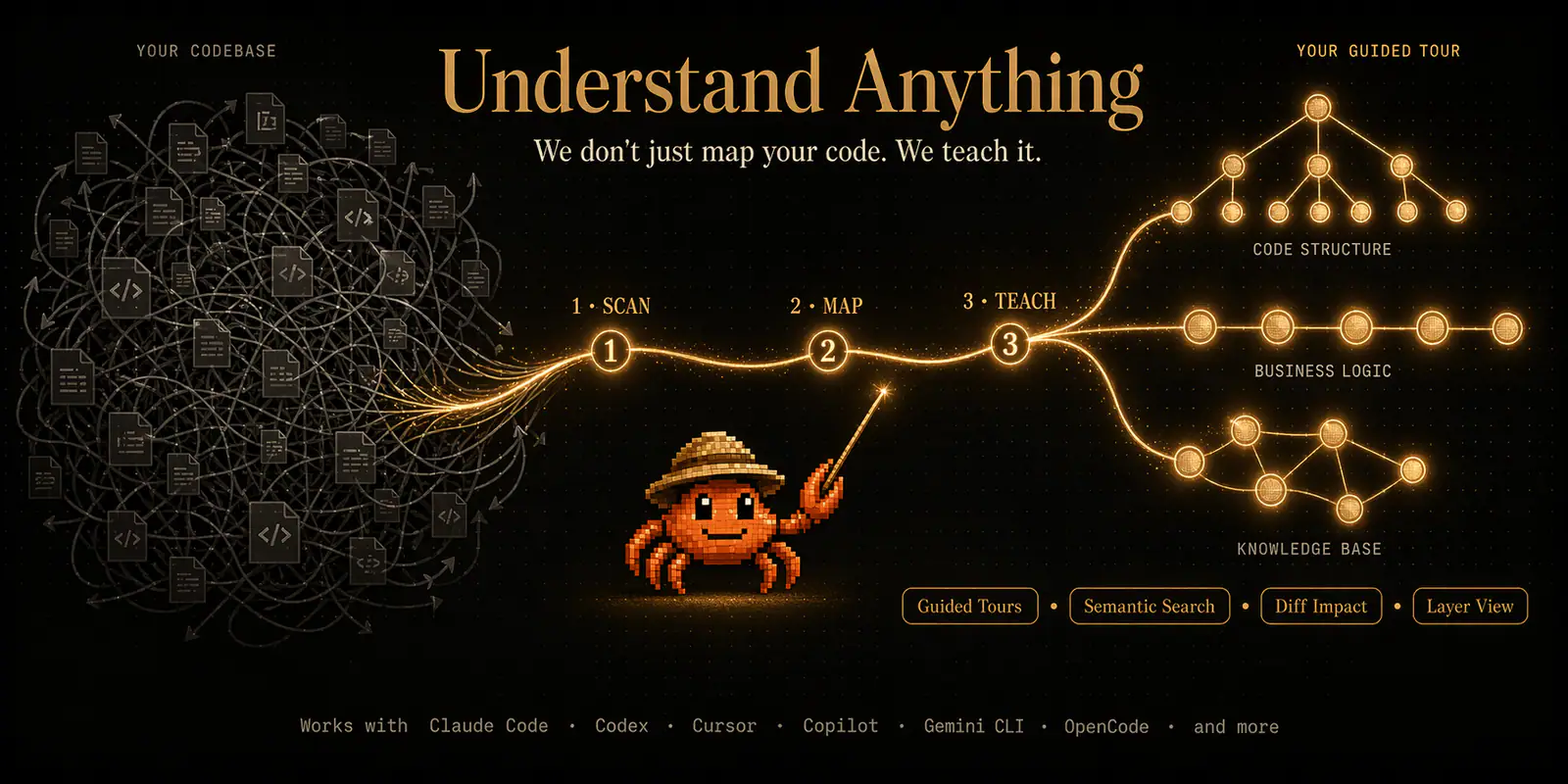
Explain Git diffs or pull requests, affected components and potential change risks.
Audit and update npm/Bun dependencies with supply chain integrity checks — verifies maintainers, publish age, tarball diffs, and provenance before bumping. Defers risky packages to ~/.supply-chain/notes/.
Review or de-slop concrete changes in ccch1mneyyy/dsh-TUI at maintainer level: PR numbers or URLs, branches, commit ranges, patch files, staged or unstaged worktrees, and scoped repository-hygiene requests.
Audit the repository or a broad subsystem for security, correctness, and maintainability risks.
Make the smallest complete change, with adjustable coding intensity and concise explanations.
Review diffs and pull requests, assess release readiness, and follow publishing steps.
Open Plannotator's browser-based code review UI for the current worktree, another directory, or a pull request URL, then act on the feedback that comes back.
Use Plannotator for plan and code review, artifact annotations, archived decisions and asynchronous feedback.
Monitor a pull request, address actionable review feedback, and recheck CI until the PR meets its readiness criteria.