Free
Images
Beautify GitHub README
Redesign GitHub README pages and create project-specific SVG, composed PNG or WebP, and optional animated graphics.
1.9KStars132Forks
Repository last pushed
Zhihuang Lin
Original workflows for websites, images, presentations, and everything in motion.
Redesign GitHub README pages and create project-specific SVG, composed PNG or WebP, and optional animated graphics.
Analyze failed GitHub Actions jobs, compare prior runs and identify the breaking change or flaky behavior.
Refresh a local repository mirror and search across authorized public and private repositories with ripgrep.
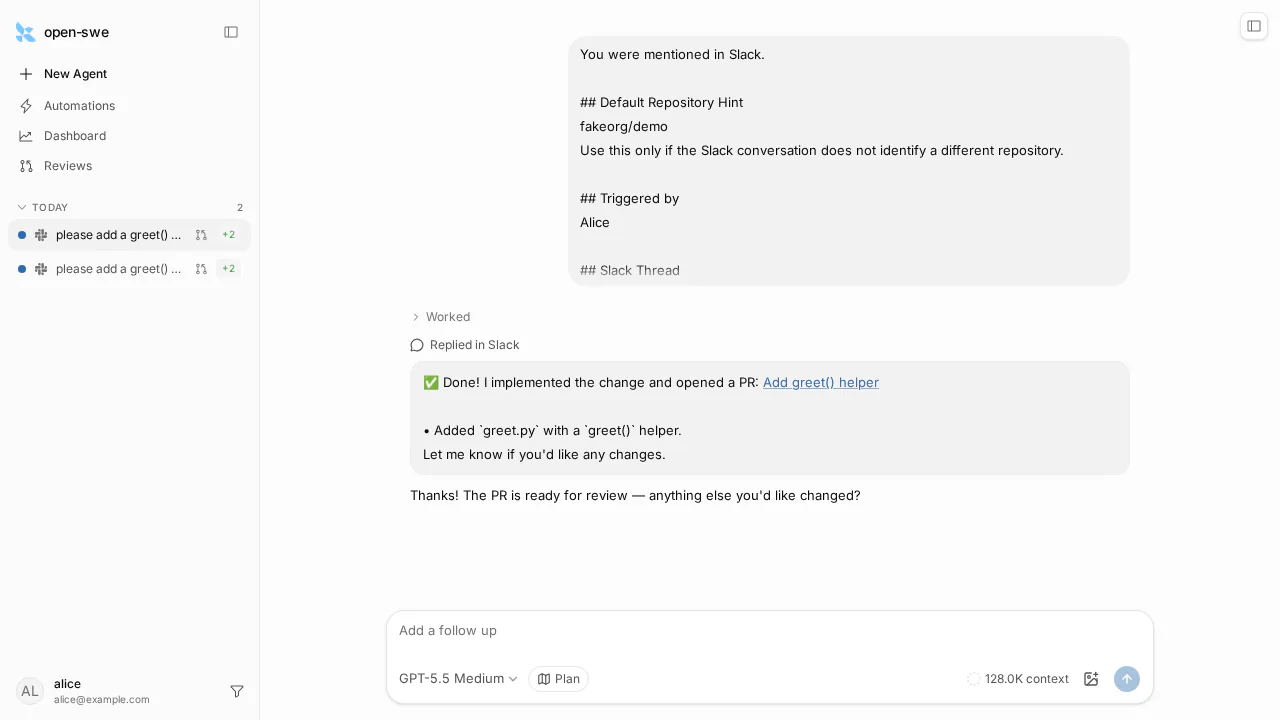
Run the Open SWE dashboard locally against real GitHub data using an authenticated gh CLI.
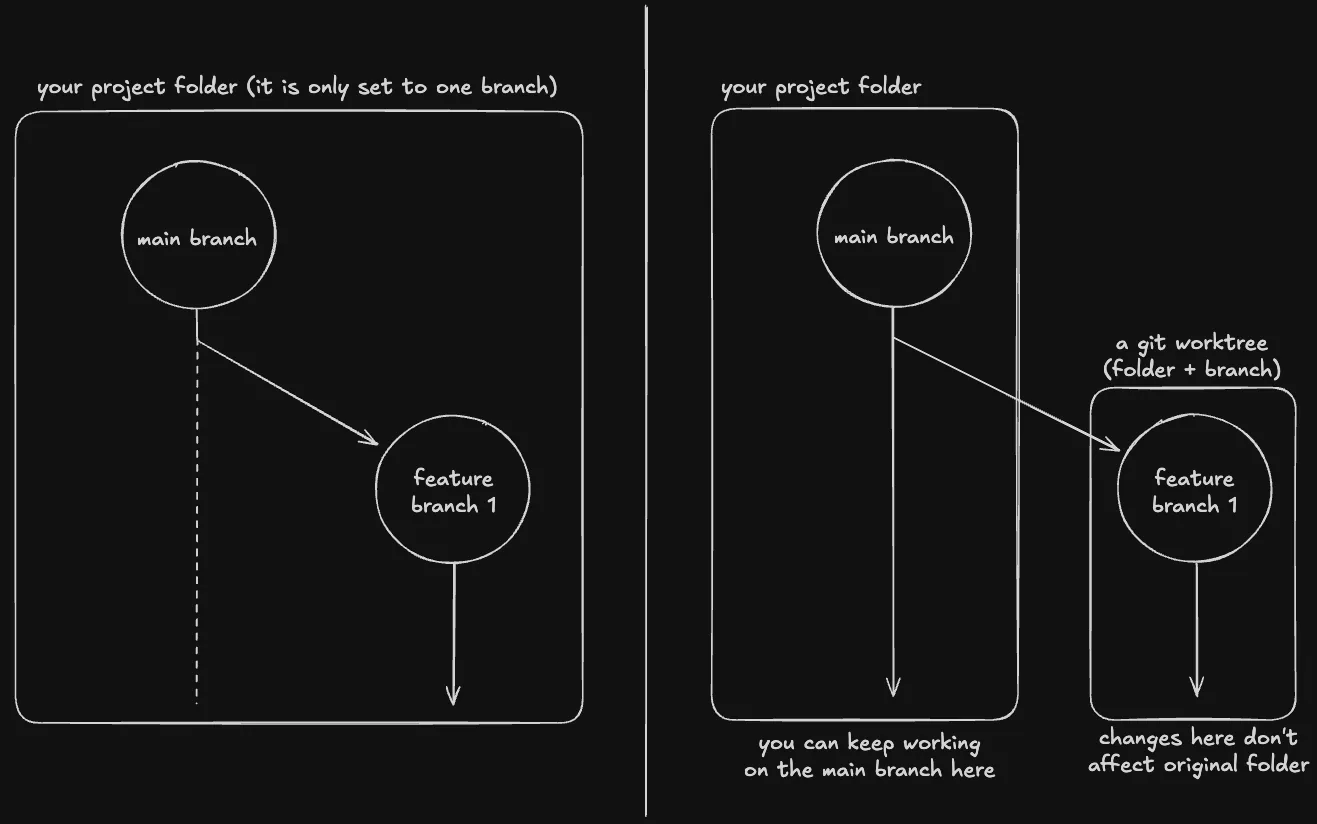
Configure Worktrunk worktrees, hooks, command aliases, and commit message generation.

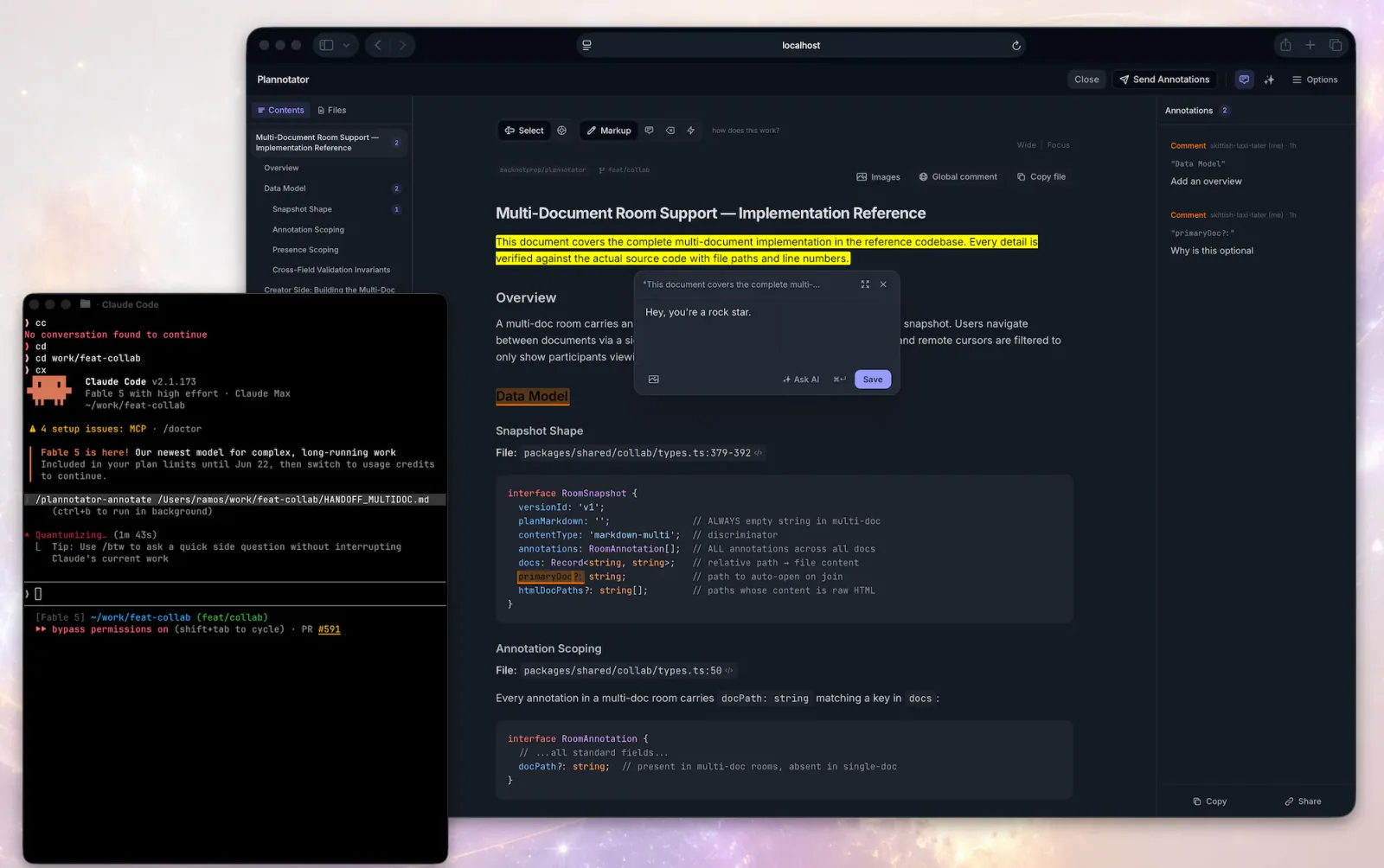
Review changes since the latest commit with incremental impact and blast radius analysis.
Review Renovate bot PRs that update GitHub Actions dependencies. Verifies supply chain integrity by checking pinned commit SHAs against upstream tagged releases, reviews changelogs for breaking changes, and confirms compatibility with existing workflow configurations.
Prepare a focused Tantivy pull request from staged changes with a generated commit message.
Reduce unused Cargo features and prepare pull requests from staged Git changes.
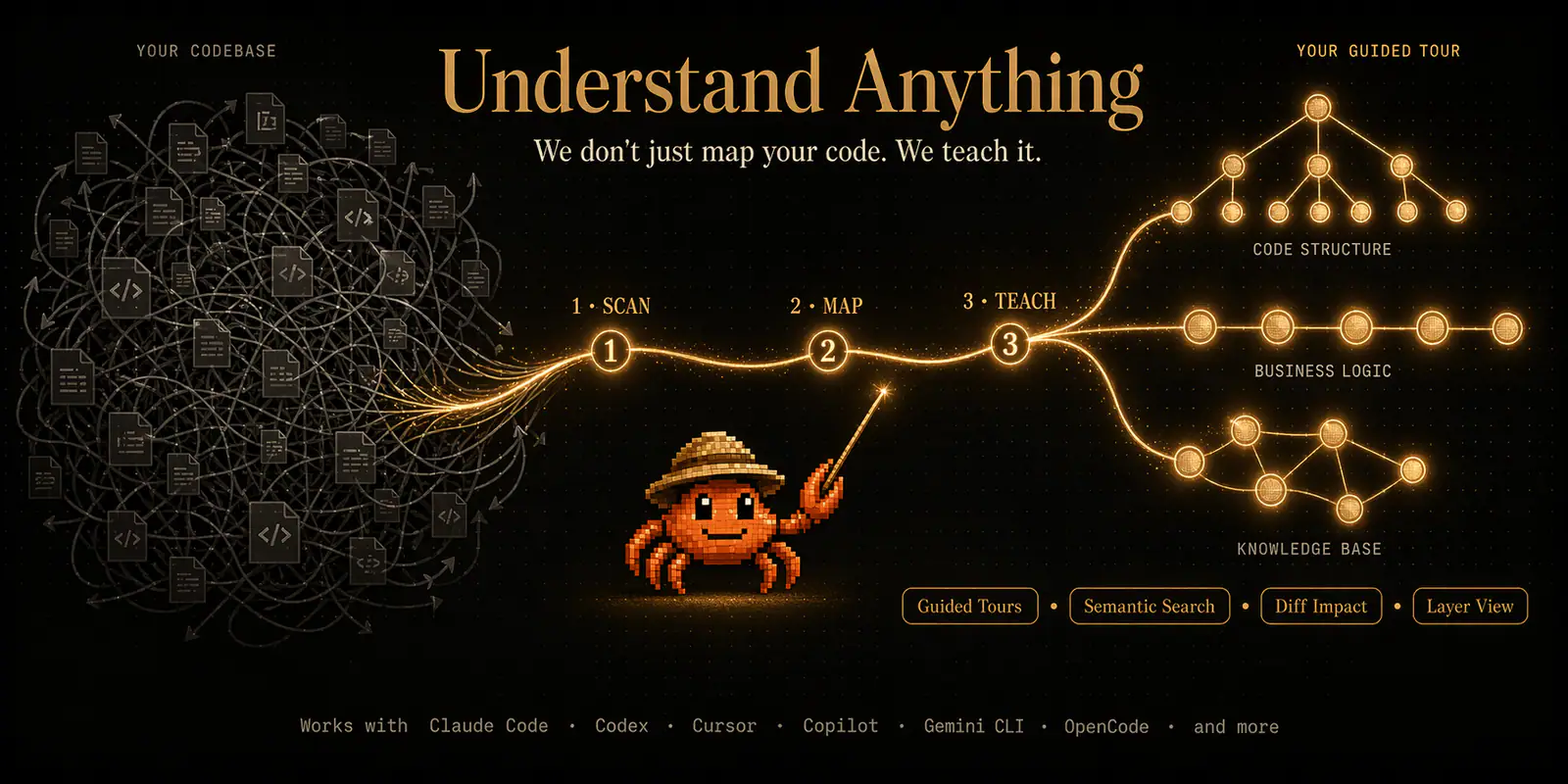
Explain Git diffs or pull requests, affected components and potential change risks.
Research recent discussions across Reddit, X, YouTube, Hacker News, GitHub and other sources.
Create a Worktrunk worktree and move the active session into its working directory.
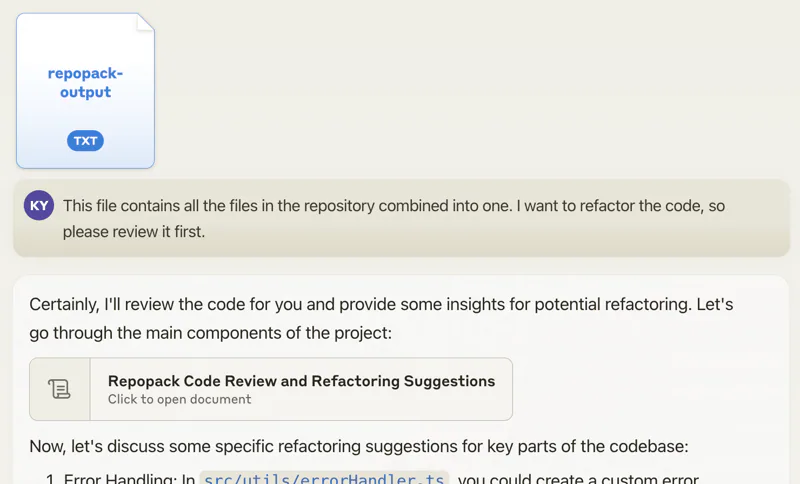
Write commit messages that retain implementation intent, decisions, constraints, and lessons.
Context handoffs, GitHub debugging and search, news summaries and Claude Code maintenance workflows.
Revise Korean commit messages into concise, natural developer language.
Compare active worktrees, branches, and PRs in a shared read-only discussion, then produce one consolidation plan.
Turn a recurring problem into one installable skill through needs analysis and staged validation; prepare public distribution only when requested.
Write a pull request title and description using the project's preferred structure and change context.
Manage Git worktrees and create isolated task checkouts.
Review pull requests and branch diffs with graph context and a structured impact report.
Cluster GitHub issues by shared root cause, create canonical plan issues, and prepare coherent fix bundles.
Monitor a pull request until CI succeeds, investigate failures and retry only confirmed flaky workflow jobs.
Add security scanning to CI/CD with Strix — GitHub Actions, GitLab CI, or any pipeline — so every pull request gets a diff-scoped AI pentest that blocks vulnerable code before it merges, with results as PR comments and SARIF uploaded to code scanning.