Free
Productivity & automation
dbs-learning · Adaptive Learning Series
Break a topic into a sequence of learning articles and adjust depth, perspective, and pace from the learner’s feedback.
10.7KStars1.2KForks
Repository last pushed
dontbesilent
Original workflows for websites, images, presentations, and everything in motion.
Break a topic into a sequence of learning articles and adjust depth, perspective, and pace from the learner’s feedback.
Guide a programming exercise using dsh-tui or a topic the user wants to learn.
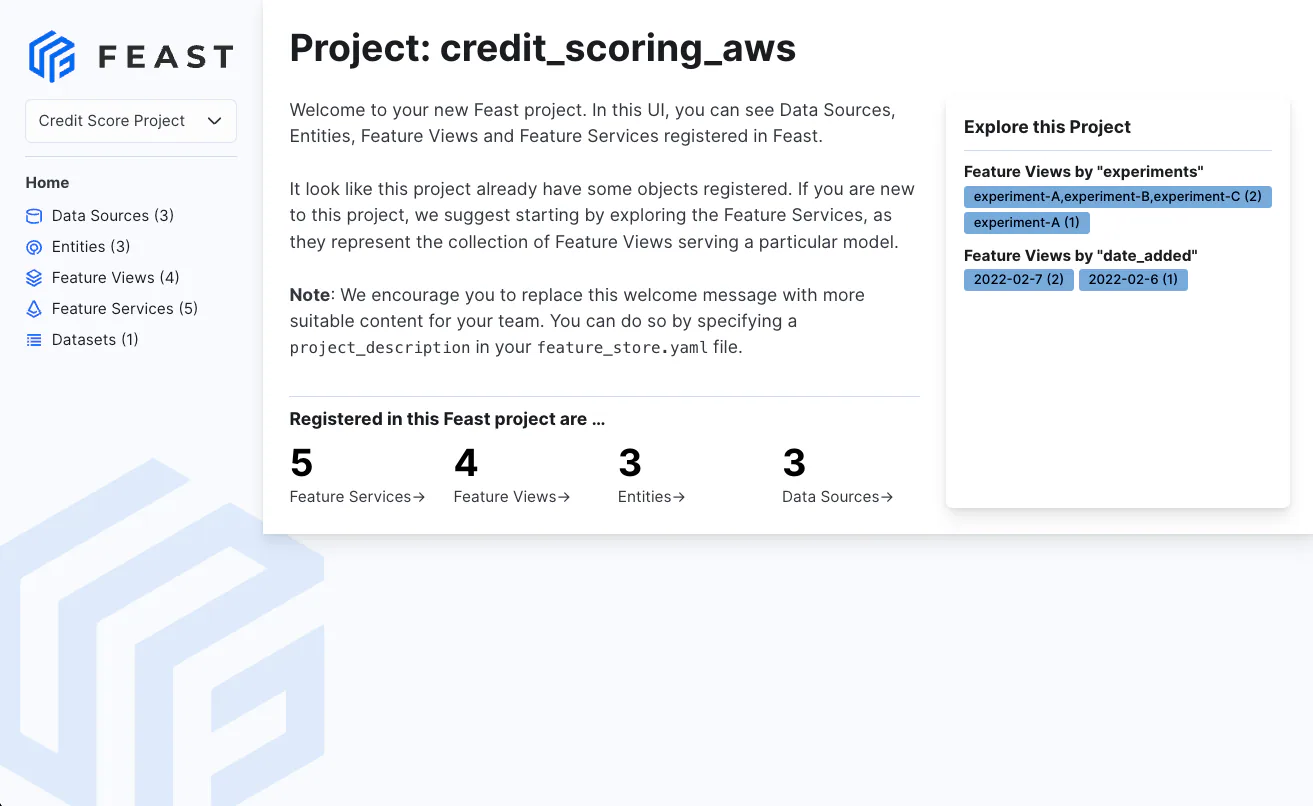
Guide for working with Feast (Feature Store) — defining features, configuring feature_store.yaml, retrieving features online/offline, using the CLI, and building RAG retrieval pipelines.
Four learning-oriented Skills for agent design, code review, MCP servers and PDF processing.

Review AI engineering, learning and product questions through software paradigms, building to understand and reliability engineering.
Internals of the Feast codebase — how each component works, where the key abstractions live, and the data flow through the system.
dontbesilent’s Chinese-language agent toolbox for business diagnosis, content creation, decisions, learning, and local knowledge management. Browse the individual skills or start with /dbs.
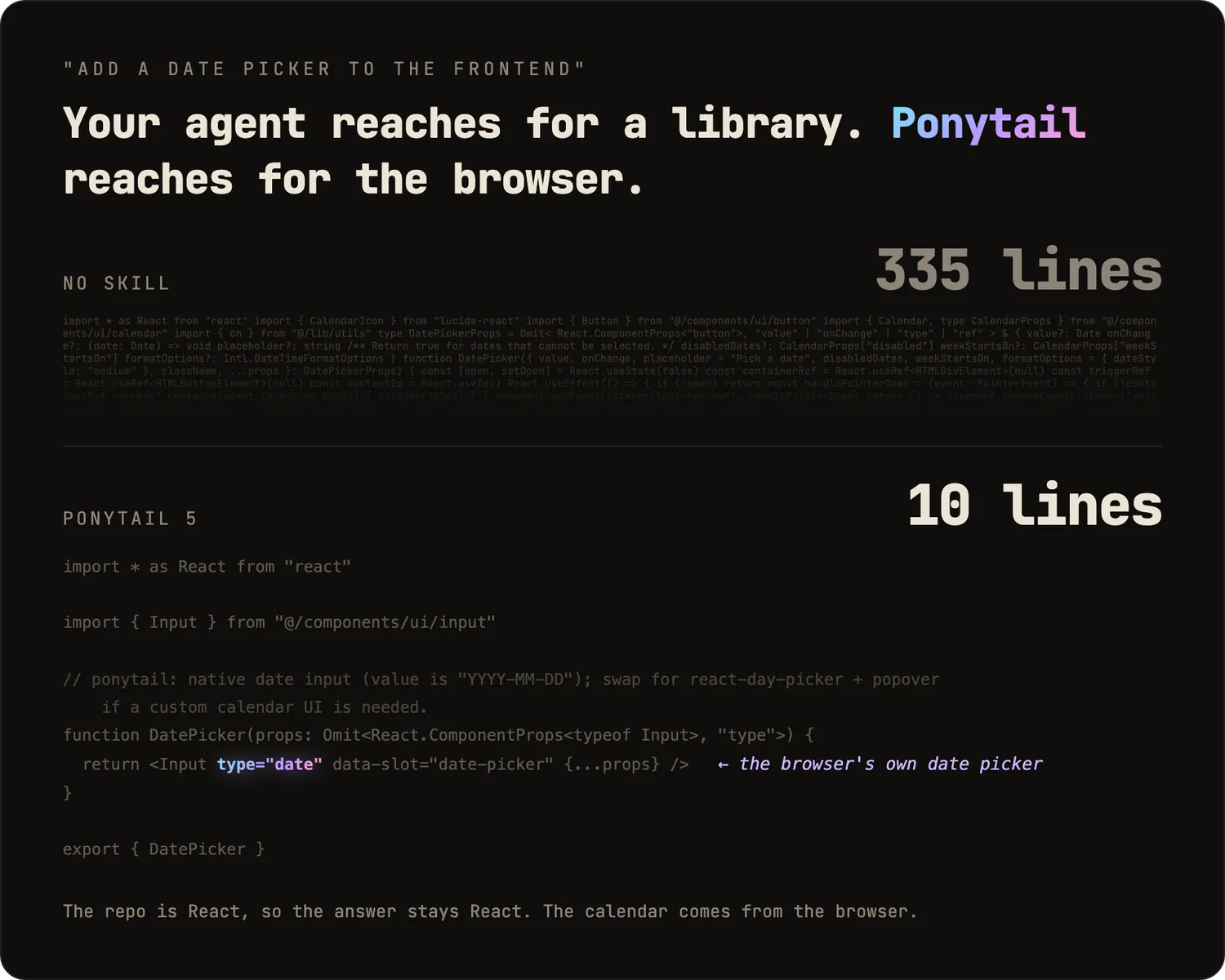
Show a quick reference for Ponytail modes, Skills and commands.
Study a topic through concept mapping, Feynman explanations, self-tests, associations, and a running Markdown notebook with Mermaid maps and optional Word notes.
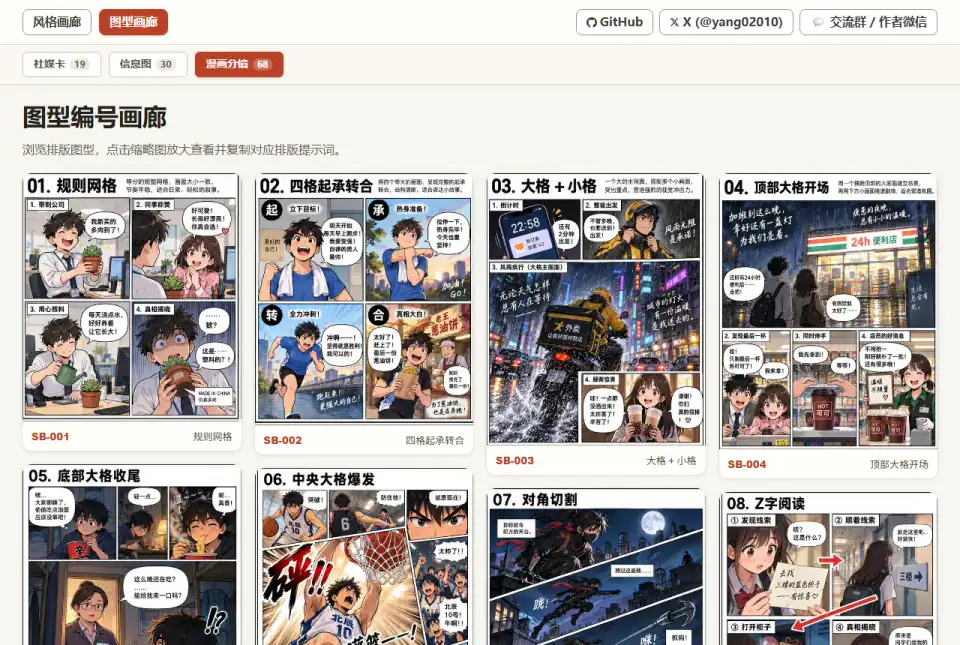
Design a knowledge video around a learning objective, evidence, script and storyboard before production.
Check understanding through concrete examples, experiments, uncertainty and the distinction between naming and explaining.
Find relevant Claude Academy learning resources when someone asks how to use Claude.
Solve a conic-section problem into an interactive lesson with exact calculations, a parameter slider, a 2D construction board, and step-by-step formulas.
How to test and debug Feast — running targeted tests, writing unit tests for new components, debugging registry and online store issues, and inspecting live feature store state.
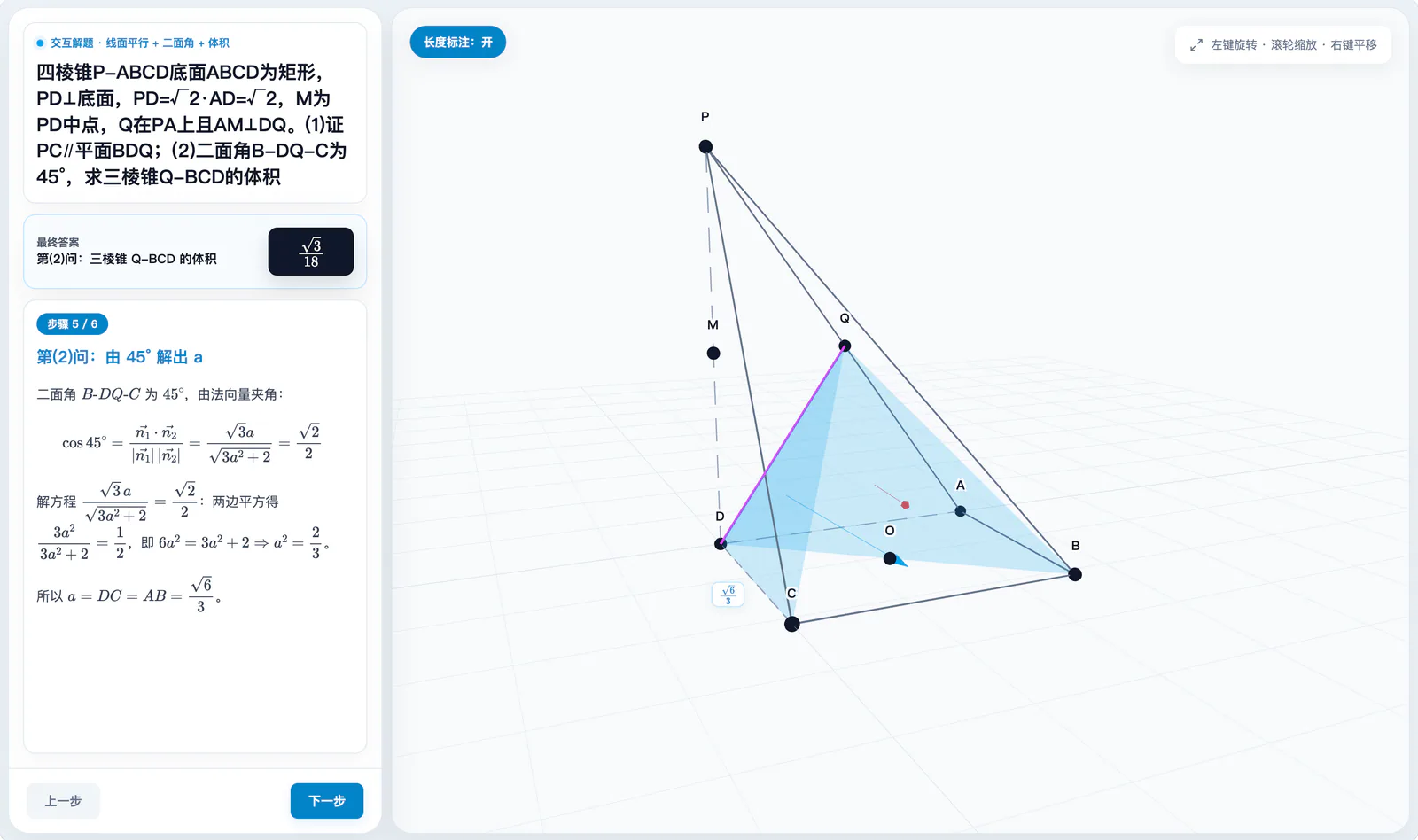
Solve a spatial geometry problem with an exact vector kernel and deliver an interactive 3D lesson with highlighted constructions and solution steps.
Search supported job portals, assess fit, tailor applications and identify learning gaps from a local candidate profile.
Compares tracked job postings against the candidate profile to identify skill gaps and generate a prioritized learning plan with study resources.
Configure, manage, and use DeepTutor through its CLI, including capabilities, knowledge bases, partners, memory, sessions, notebooks, providers, skills, and the server or Web app.
Manage DeepTutor knowledge workflows and use its document, spreadsheet, presentation and skill-authoring tasks.
Forecast univariate time series with Google TimesFM, including uncertainty estimates and optional covariates.
Field-tested methodology and concrete recipes for training and operating large-scale LLM/VLM/multi-modal models end to end - choosing and benchmarking accelerators, storage and network; SLURM/Kubernetes orchestration; maximizing training throughput and fitting models in memory; diagnosing and surviving training instabilities, NaN/Inf, and hardware/job failures; checkpointing and fault tolerance; inference…
Apply practical large-model training and operations guidance, and evaluate GPU cluster performance and readiness.
Evaluates an ML GPU cluster for a cloud trial or acceptance test: environment dump, isolated newest PyTorch, matmul FLOPS (MAMF/MSMF) on every GPU while the others compute, intra-node all-reduce bandwidth and per-call latency of every collective, the same inter-node on every node you were given (omit those sections if there is only one node), fio on local disk and shared FS, dated markdown report.
A small library, made with care. More skills are on the way.