Free
Development & APIs
Paseo Plugin Development
Build and manage trusted local Paseo plugins, hooks, interface extensions, themes and RPCs.
21KStars2.5KForks
Repository last pushed
getpaseo
Explore ways to automate recurring tasks and connect tools in a workflow.
87 skillsBuild and manage trusted local Paseo plugins, hooks, interface extensions, themes and RPCs.
Build CI pipelines with ordered quality gates, failure feedback, deployment strategies and rollback paths.
Build analytics workflows with Basin Pipelines, Catalog and SQL.
Install, synchronize, inspect, deduplicate, or uninstall individual skills and collections across compatible agent hosts.

Run SceneTree-based GDScript suites with import preparation, explicit failure counts, exit codes, and CI integration.
Build and review Durable Objects for persistent state and coordination.
Define recurring agent workflows with cadence, inputs, outputs and review boundaries.
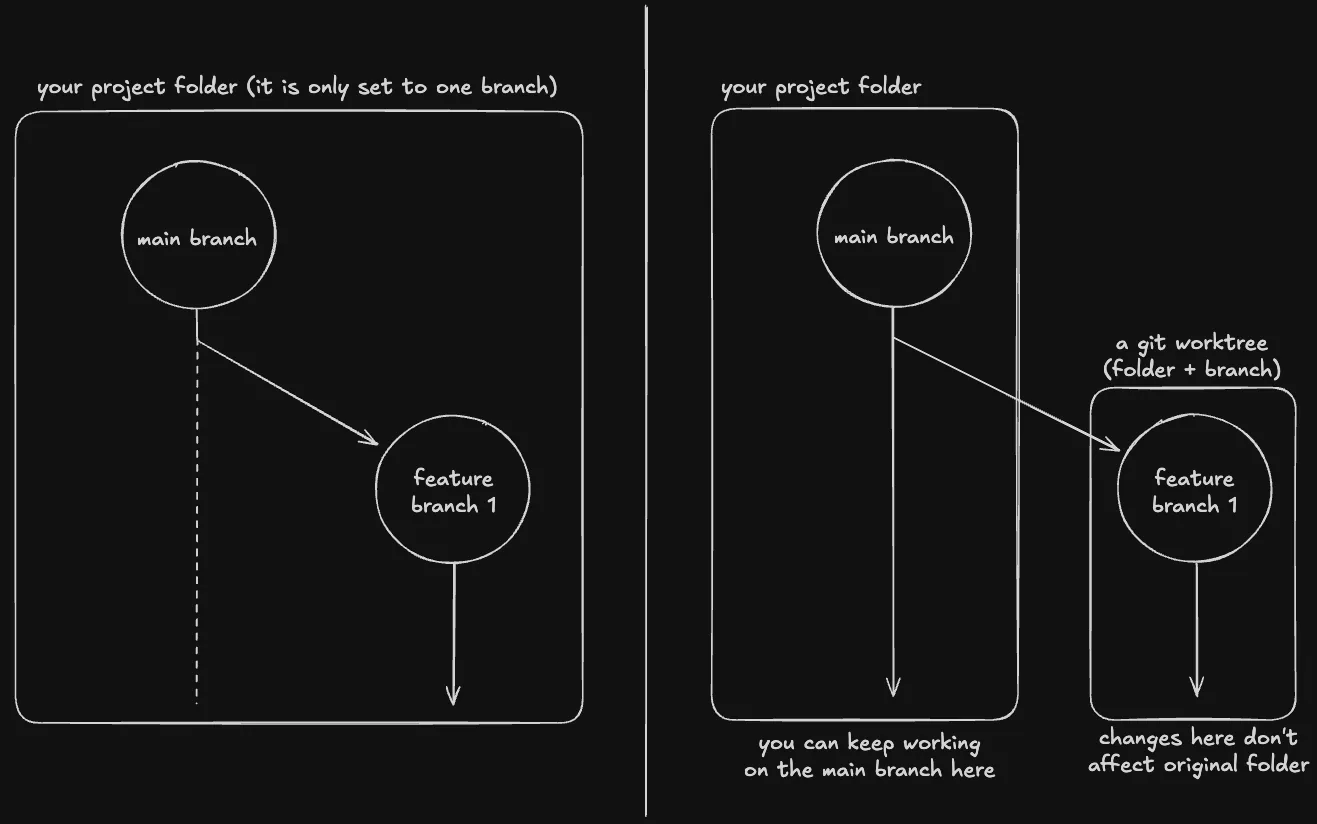
Refresh a local repository mirror and search across authorized public and private repositories with ripgrep.
Prepare staged production rollouts with pre-launch evidence, monitoring, feature flags and rollback procedures.

Review pull requests and branch diffs with graph context and a structured impact report.
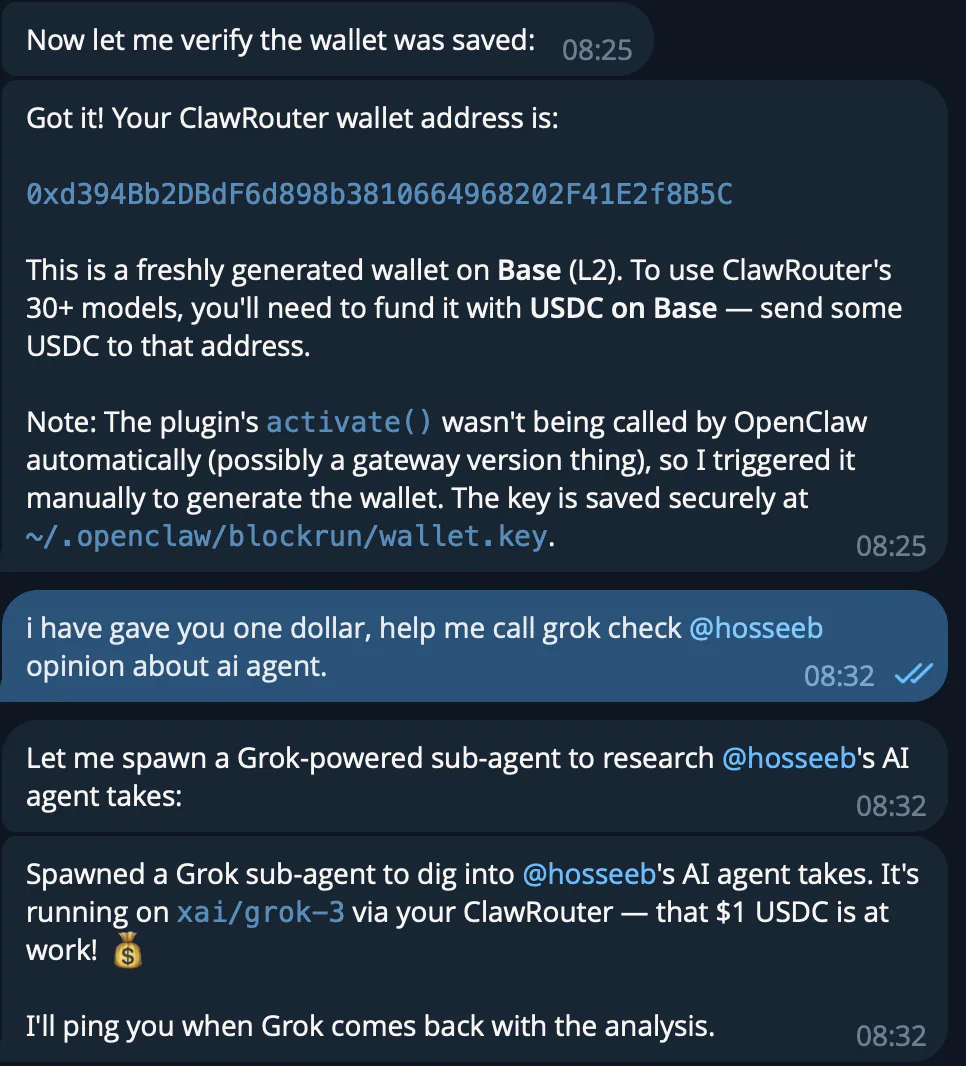
Set up the required wallet and permissions, then follow the upstream confirmation workflow for Polymarket orders and positions.
Define lead stages, scoring, routing and marketing-to-sales handoffs in shared systems.
Build, migrate or deploy Next.js apps on Cloudflare Workers using vinext.
Manage Paseo projects, workspaces, scripts, agents, schedules and heartbeats through its CLI or MCP.
Build and troubleshoot durable K2 streams, producers and subscriptions.
Profile CPU and memory in deployed Workers and Durable Objects.
Build an inbound email workflow with Resend inboxes, webhook delivery, thread-aware replies, and explicit treatment of email content as untrusted data.

Import leads from a chosen Gmail label into the CareerOps job pipeline.

Detect project versions and changelogs, then guide a release across supported project types.
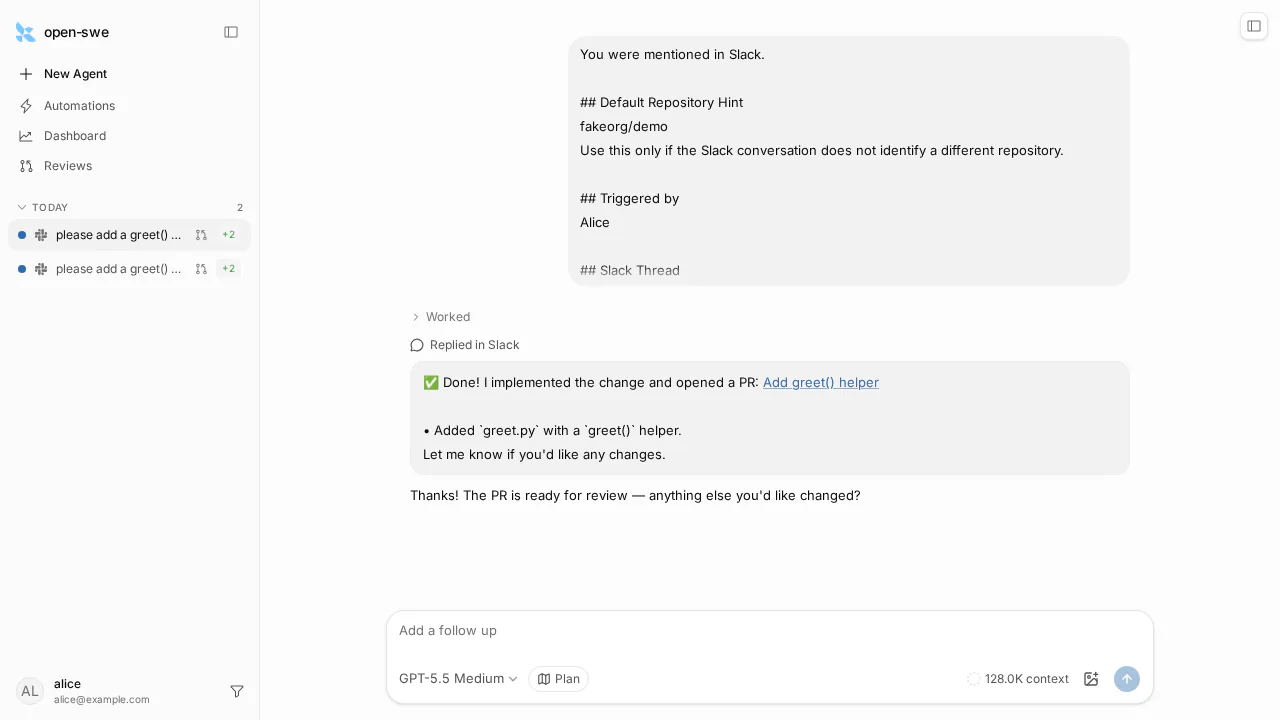
Monitor a pull request until CI succeeds, investigate failures and retry only confirmed flaky workflow jobs.
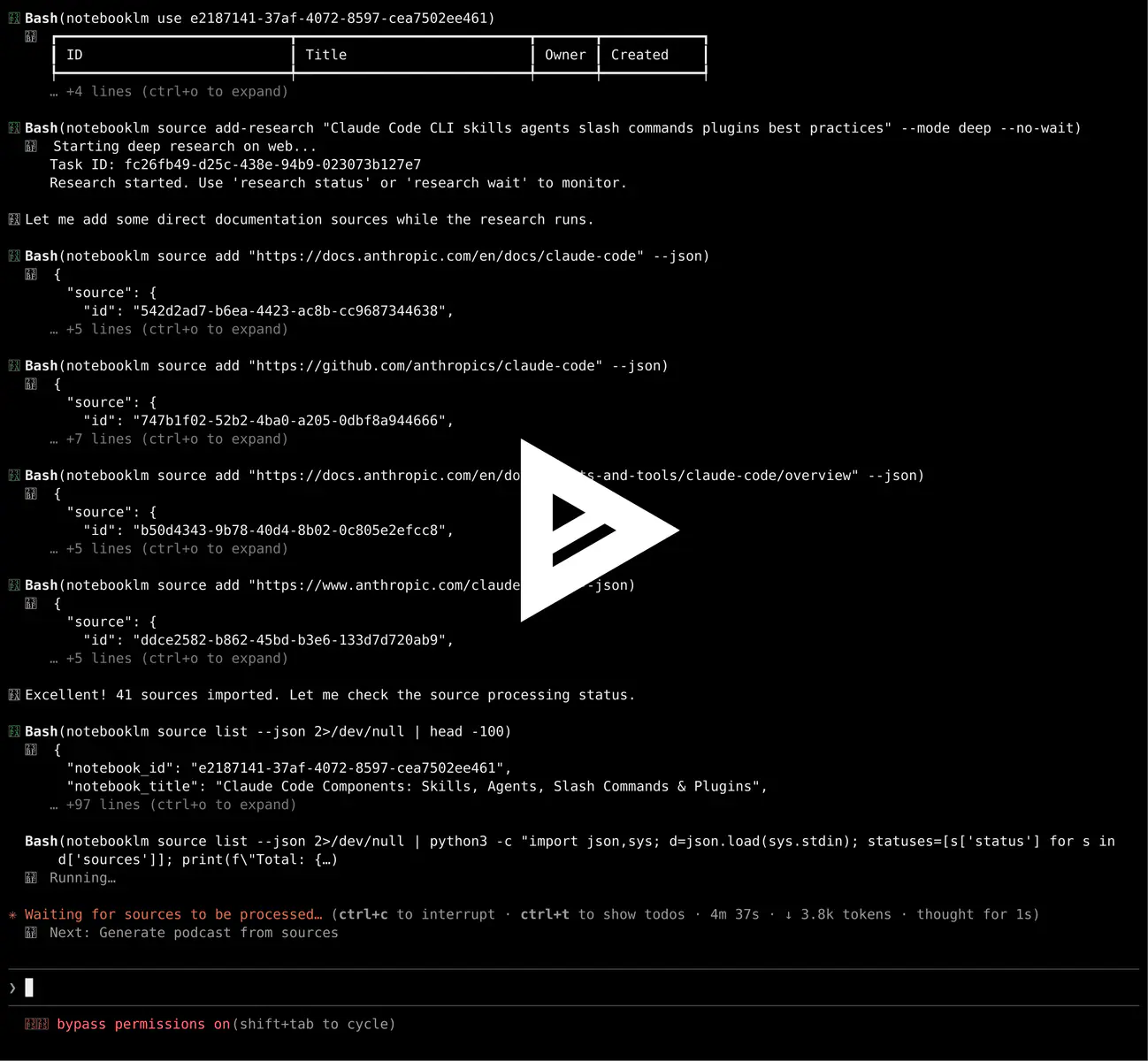
Operate NotebookLM notebooks, sources, grounded research, and generated artifacts through its Python API or CLI.

Automate literature discovery, configurable scoring, reading, delivery and local archival through a scheduled workflow.
Run the Open SWE dashboard locally against real GitHub data using an authenticated gh CLI.
Plan consent-based SMS or WhatsApp journeys, message copy and campaign measurement.
Run agent-browser + Chrome inside Vercel Sandbox microVMs for browser automation from any Vercel-deployed app.
Access and test Vercel deployments protected by Vercel Authentication, SSO, or Deployment Protection with agent-browser.
Automate browser and Electron workflows, test applications, derive API clients and configure supported cloud browsers.
Automate Electron desktop apps (VS Code, Slack, Discord, Figma, Notion, Spotify, etc.) using agent-browser via Chrome DevTools Protocol.
Interact with Slack workspaces using browser automation.
Run agent-browser on AWS Bedrock AgentCore cloud browsers.
Deploy and manage projects on Vercel using token-based authentication.
Deploy applications and websites to Vercel.
Manage persistent Firefox browser identities and browser sessions through the Invisible Dots runtime.
Use when an agent needs to drive a real Chrome window via opencli — inspect a page, fill forms, click through logged-in flows, or extract data ad-hoc.
Use PicoClaw workflows for GitHub, browser actions, device peripherals, terminal sessions, summaries and weather.
Connect an agent to a real browser through CDP for interactive, authenticated and JavaScript-rendered workflows.
Explore ways to automate recurring tasks and connect tools in a workflow.