
Free
Development & APIs
improve-codebase-architecture
Survey architectural friction and present candidates for deeper modules in an HTML report.
322.4KStars27KForks
Repository last pushed
Matt Pocock
These skills help an agent reason about how a system is structured before changing it. They cover architecture reviews, spec writing, design documents and diagrams.
30 skillsSurvey architectural friction and present candidates for deeper modules in an HTML report.
Develop rough ideas into implementation plans with explicit decisions and handoff details.
Turn a concept brief or notes into a section-by-section technical design.
Turn English or Chinese descriptions into technical SVG diagrams with Codex or Claude Code. Create architecture and workflow diagrams, export PNG or offline interactive HTML, and animate supported scenes as GIFs.
Design deeper modules with clear interfaces, seams, adapters, and testable behavior.
Review a design document for clarity, design risks and implementation readiness.
Plan architecture improvements and decompose an accepted design into DevChain epics.
Describe system architecture, components, technology choices and integration.
Structure backend architecture work across APIs, databases and services.
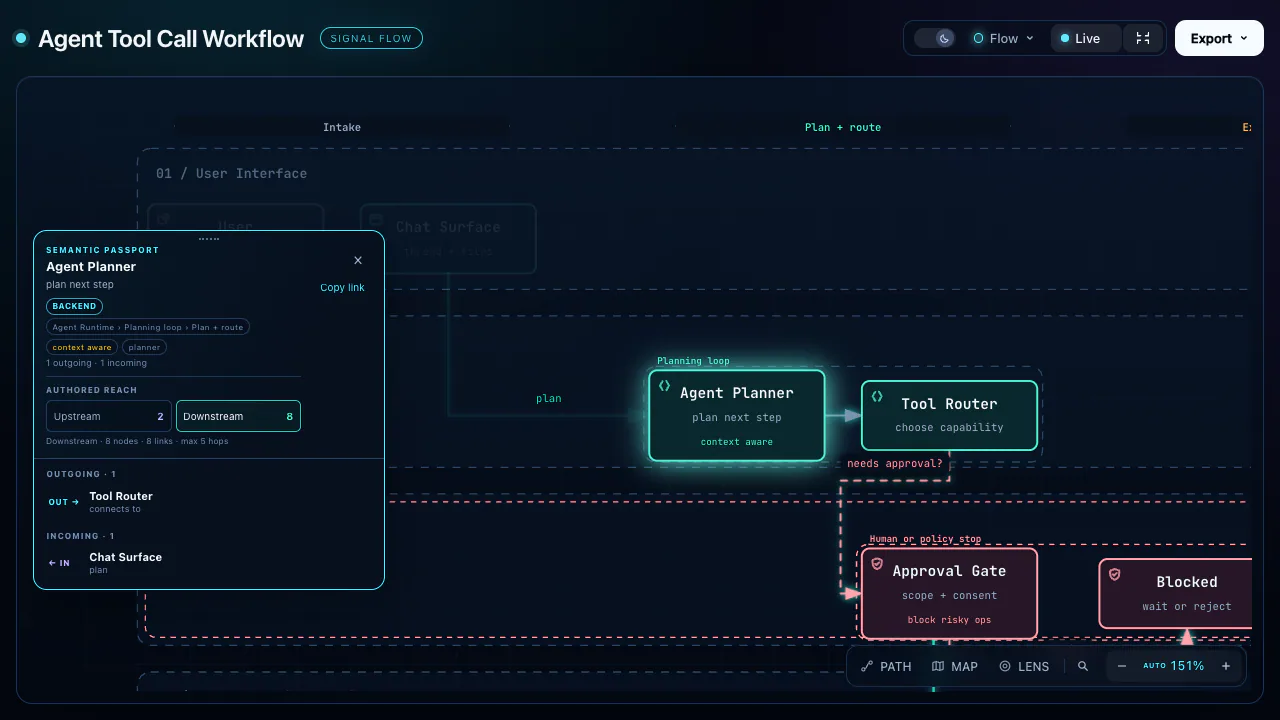
Create explorable HTML diagrams for architectures, workflows, state, schemas, timelines and everyday plans.
Write a reviewed specification covering objectives, commands, structure, code style, testing and boundaries before implementation.
Turn an existing discussion into a specification for an issue tracker.
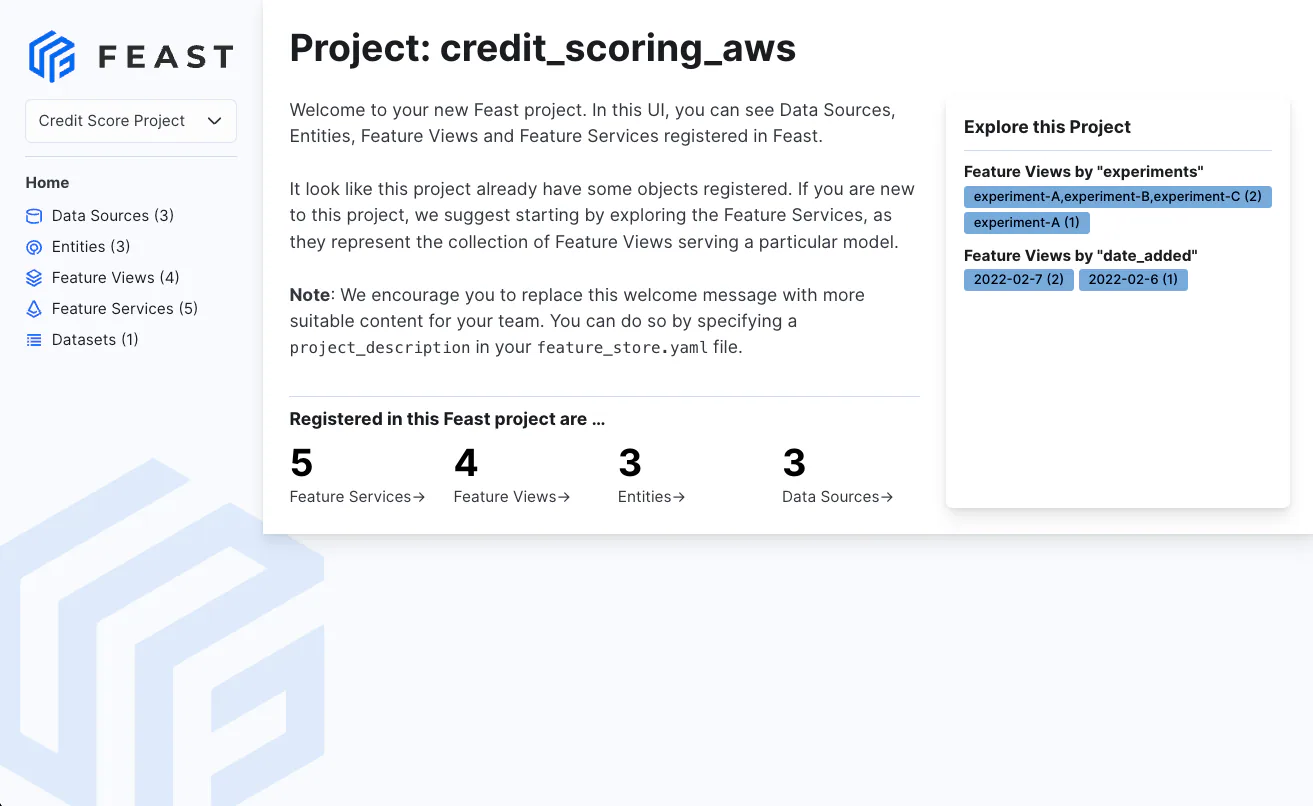
Internals of the Feast codebase — how each component works, where the key abstractions live, and the data flow through the system.
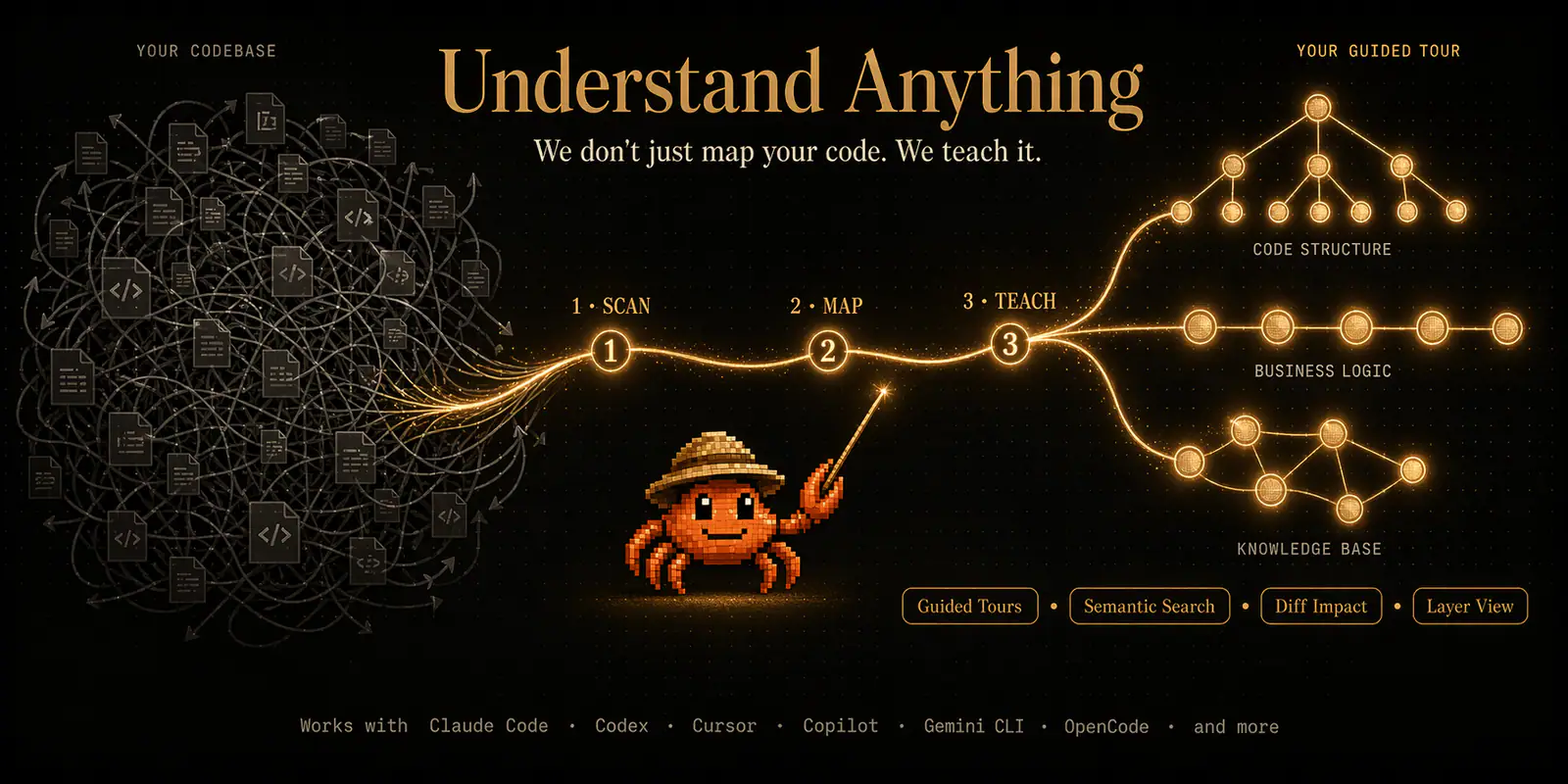
Build or incrementally update a codebase knowledge graph with architecture and dependency relationships.
Record architecture decisions, API contracts and project guidance with their context, alternatives and trade-offs.

Create editorial diagrams in your brand with an AI agent. Supports architecture, flowcharts, data charts, and redraws from Mermaid, draw.io, and Excalidraw, with HTML, SVG, and PNG output.
Seven open-source workflows for exploring, drafting and reviewing software designs with AI agents.
Trace real triggers, call chains, payloads and state changes into compact ASCII flow diagrams.
Create an HTML architecture overview with SVG data flows and deployment context.
Organize frontend code with Feature-Sliced Design v2.1, from placement and import boundaries to framework integration.
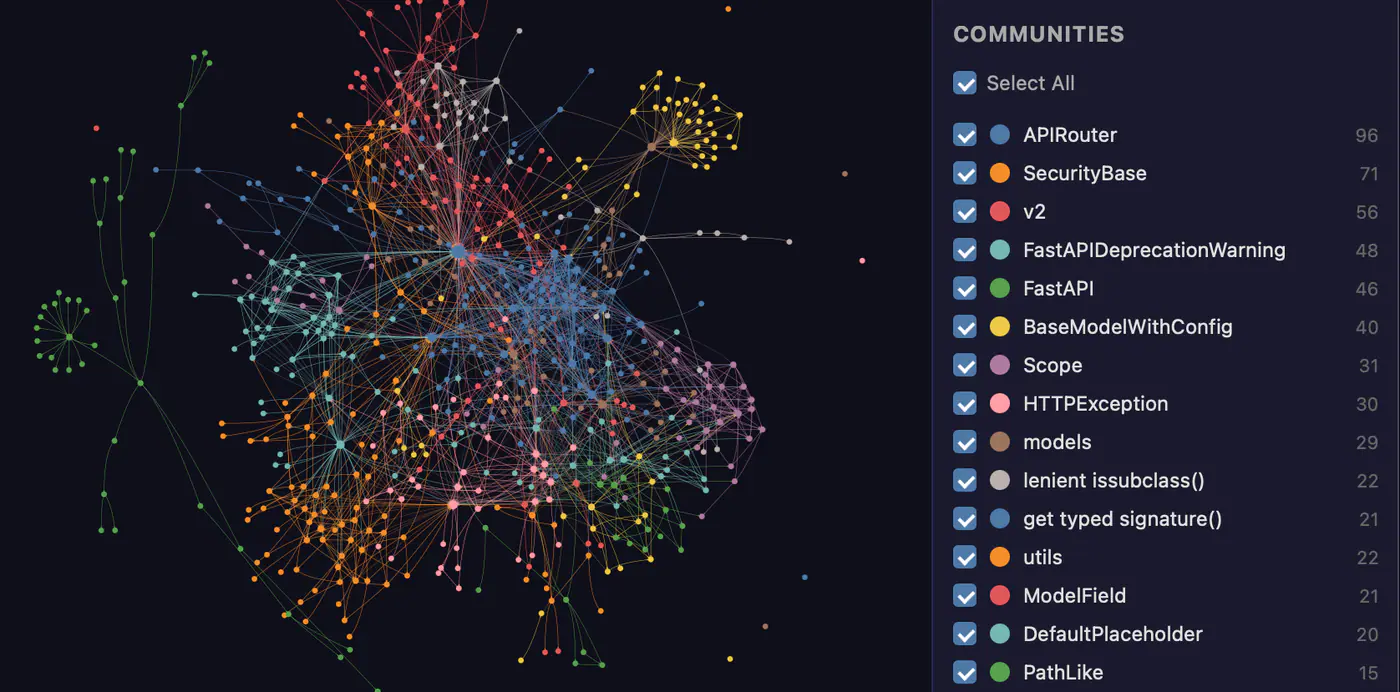
Turn code and documents into a persistent knowledge graph for architecture questions and exploration.
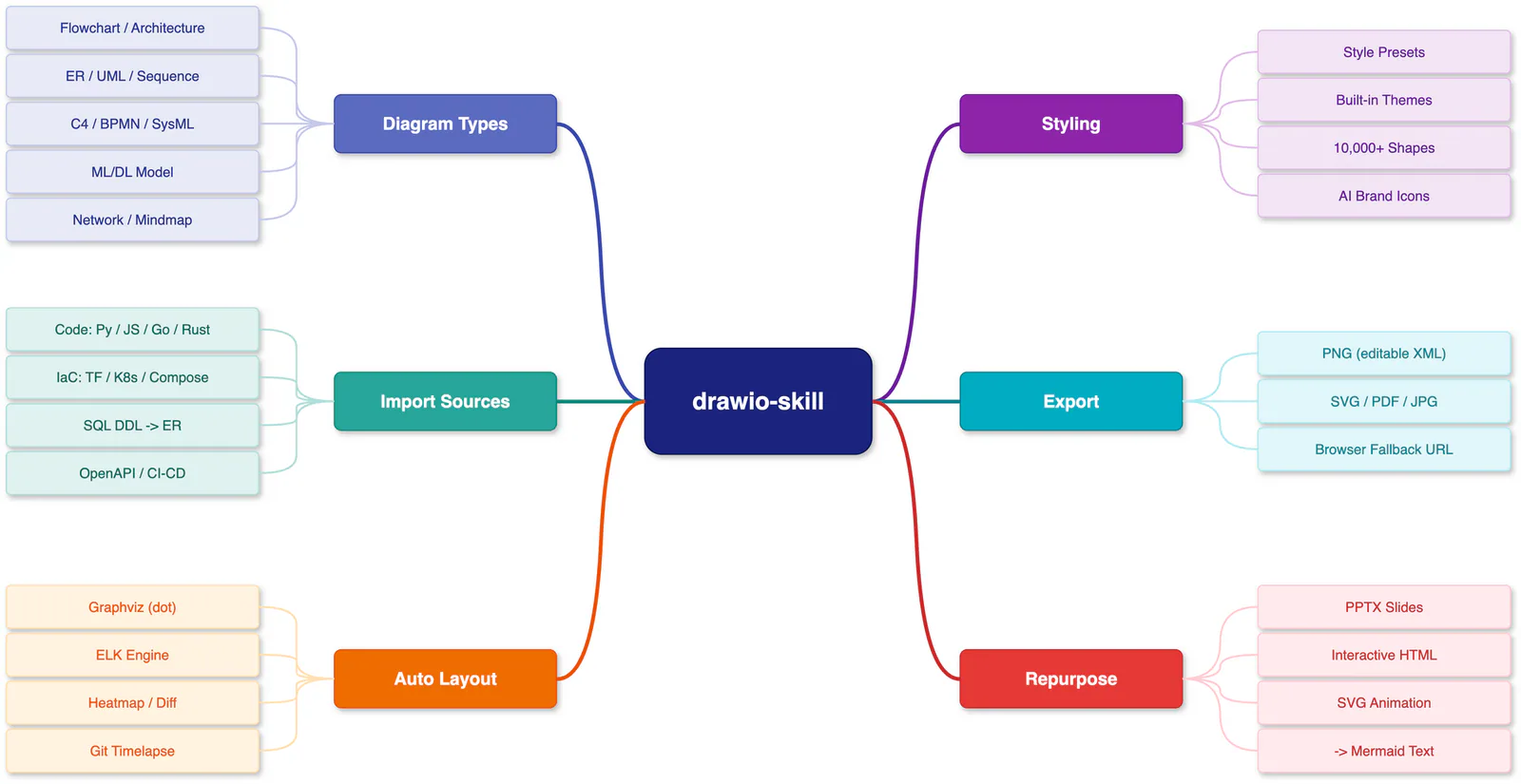
Create editable draw.io diagrams from descriptions, code, infrastructure, and data schemas.
Clarify the user's underlying intent through a one-question-at-a-time interview before planning or coding.
Map feature flows, identify repeated concerns, and propose a unified architecture with source-linked handoff prompts.
Run configured fresh-context reviewers against a document and its standards.
Evaluate review findings and apply user-approved changes to a design.
Explore a software idea with fresh-context reviewers and produce a concept brief.
Design deeper module interfaces and identify architecture improvements through an inspectable HTML report.
Scan a codebase for deepening opportunities, present them as a visual HTML report, then grill through whichever one you pick.
Use a review skill on an existing codebase, spec skills before building something new, and diagram skills to communicate the result.