Free
Development & APIs
Ebitengine 2D Games in Go
Create or improve Go games with Ebitengine, covering the playable loop, input, rendering, audio, state, tests, and builds.
3.6KStars327Forks
Repository last pushed
Abhishek Barali
Original workflows for websites, images, presentations, and everything in motion.
Create or improve Go games with Ebitengine, covering the playable loop, input, rendering, audio, state, tests, and builds.
Assemble Node3D scenes, cameras, light rigs, environments, mesh materials, and GridMap-based level blockouts.
Implement CharacterBody2D platformer or top-down controllers with gravity, slopes, jump timing, and collision feedback.
Rewrite a vague question into a brief an agent can reason about, critique, and verify, and assess how much of it can be automated.
Reconcile project documentation, agent rules, and authorized memory with current code and runtime evidence.
Turn an unclear intention into a concrete deliverable with scope, constraints, and observable acceptance criteria.
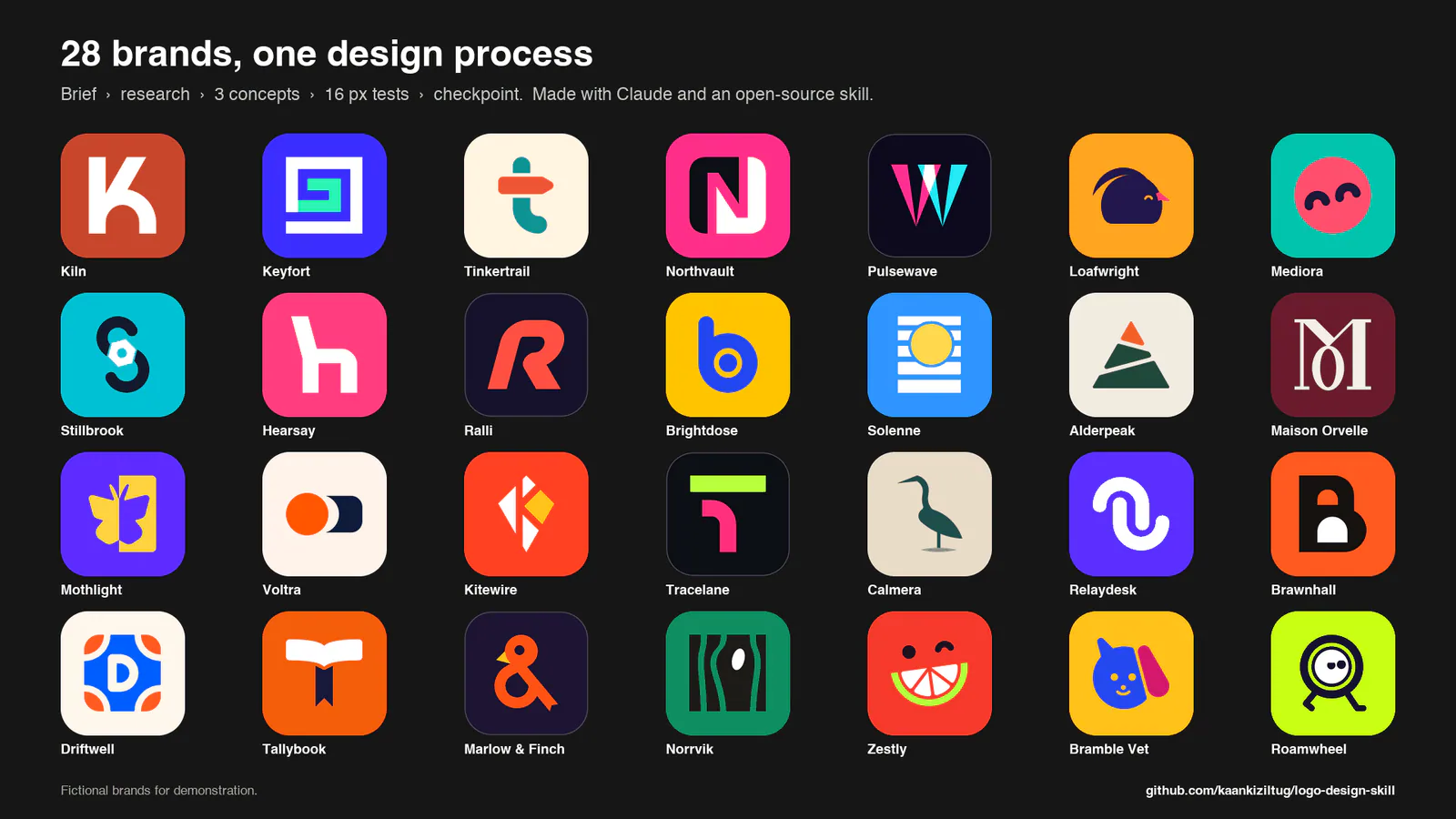
Design and critique SVG logos with three tested concepts, brand guidelines, presentation mockups and favicon or app-icon exports.
Write canvas and spatial shaders with editable uniforms, animated UVs, dissolve, rim lighting, and screen effects.
Model items and configuration as typed Resources, load and save resource files, and isolate mutable instances.
Choose physics bodies, configure collision layers and masks, detect overlaps, apply forces, and cast 2D or 3D rays.
Guide an agent-written application from its repository to a live deployment using the owner's hosting, database, auth, and domain accounts.
Compose reusable scenes, instantiate PackedScenes, access nodes safely, manage autoloads, and check resource paths.
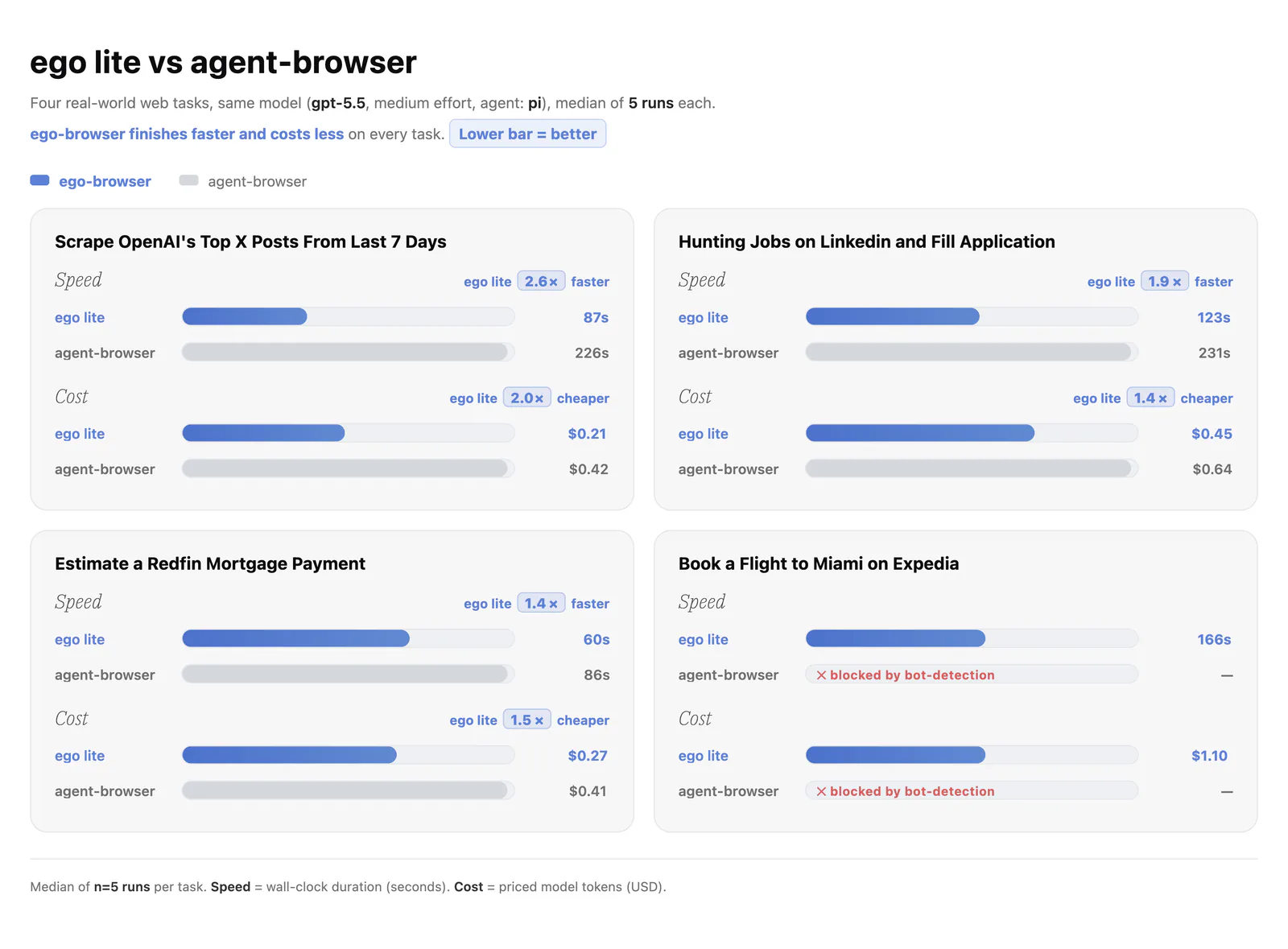
Use ego-browser task spaces and page APIs for browsing, forms, screenshots, extraction and web-app verification.
Create keyframed clips, character state machines, blend spaces, and procedural UI or gameplay tweens.
Decouple node communication through typed signals, callable connections, one-shot events, bound arguments, and groups.
Create original seeded generative art with p5.js and an interactive parameter viewer.
Wire positional or global audio players, route music and SFX buses, control volume, and synchronize events to beats.
Configure export templates and presets, headless builds, platform requirements, and target-device smoke checks.
Run the local Google Maps scraper to collect business listings, reviews, and available contact details.
Run SceneTree-based GDScript suites with import preparation, explicit failure counts, exit codes, and CI integration.
Configure ENet peers, connection events, RPC authority, spawning, state replication, and server-side validation.
Write typed GDScript with the correct node lifecycle, export annotations, onready references, signals, and await.
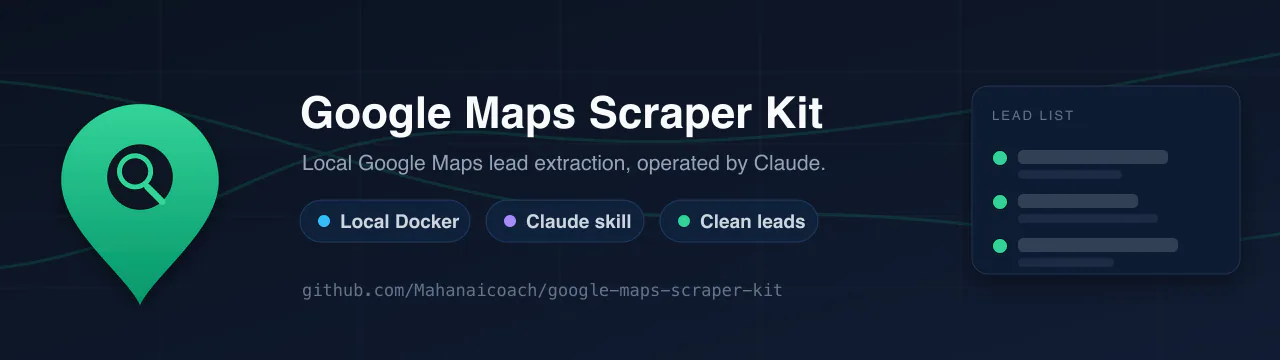
Turn a business category and location into a structured CSV of local businesses using a locally hosted Google Maps scraping engine.
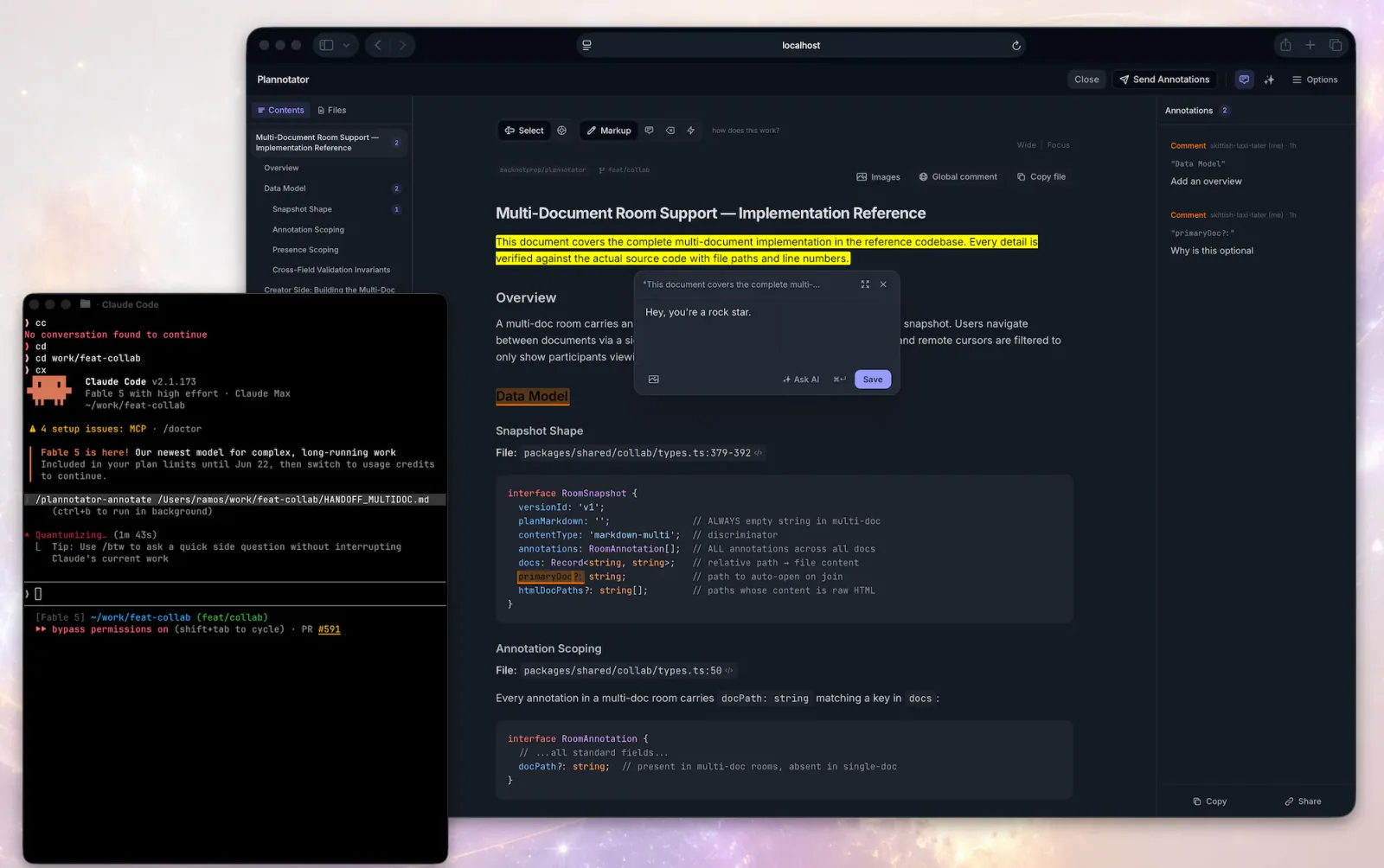
Turn an idea or objective into a goal package for /goal. Interviews the user, builds a reviewed fact sheet via Plannotator, then explores the codebase to produce an execution plan.