Explore Agent Memory & Context skills 24 skills Free
Development & APIs
Claude-Mem Memory Mode Creator Interview for a useful memory taxonomy, validate and install a custom mode, and verify it in startup context.
Repository last pushed Nov 13, 2026
Free
Skills & MCP
Claude Code Half-context Clone Create a new Claude Code session retaining the later half of an existing conversation.
Repository last pushed Sep 25, 2026
Free
Other utilities
Roblox Persistent Player Data Save player progress and leaderboards with guarded DataStore calls, UpdateAsync, retries, and shutdown handling.
Repository last pushed Nov 12, 2026
Free
Skills & MCP
Context Engineering Organize project rules, task context and references so coding agents receive relevant information at the right time.
Repository last pushed Nov 1, 2026
Free
Other utilities
Game Save & Load Systems Design serializable game state, save slots, crash-safe writes, schema upgrades, and throttled autosave.
Repository last pushed Nov 12, 2026
Free & paid options
Skills & MCP
Memori Agent Memory Recall relevant context, summarize sessions and preserve durable memories through a configured Memori MCP connection.
Repository last pushed Oct 3, 2026
Free & paid options
Productivity & automation
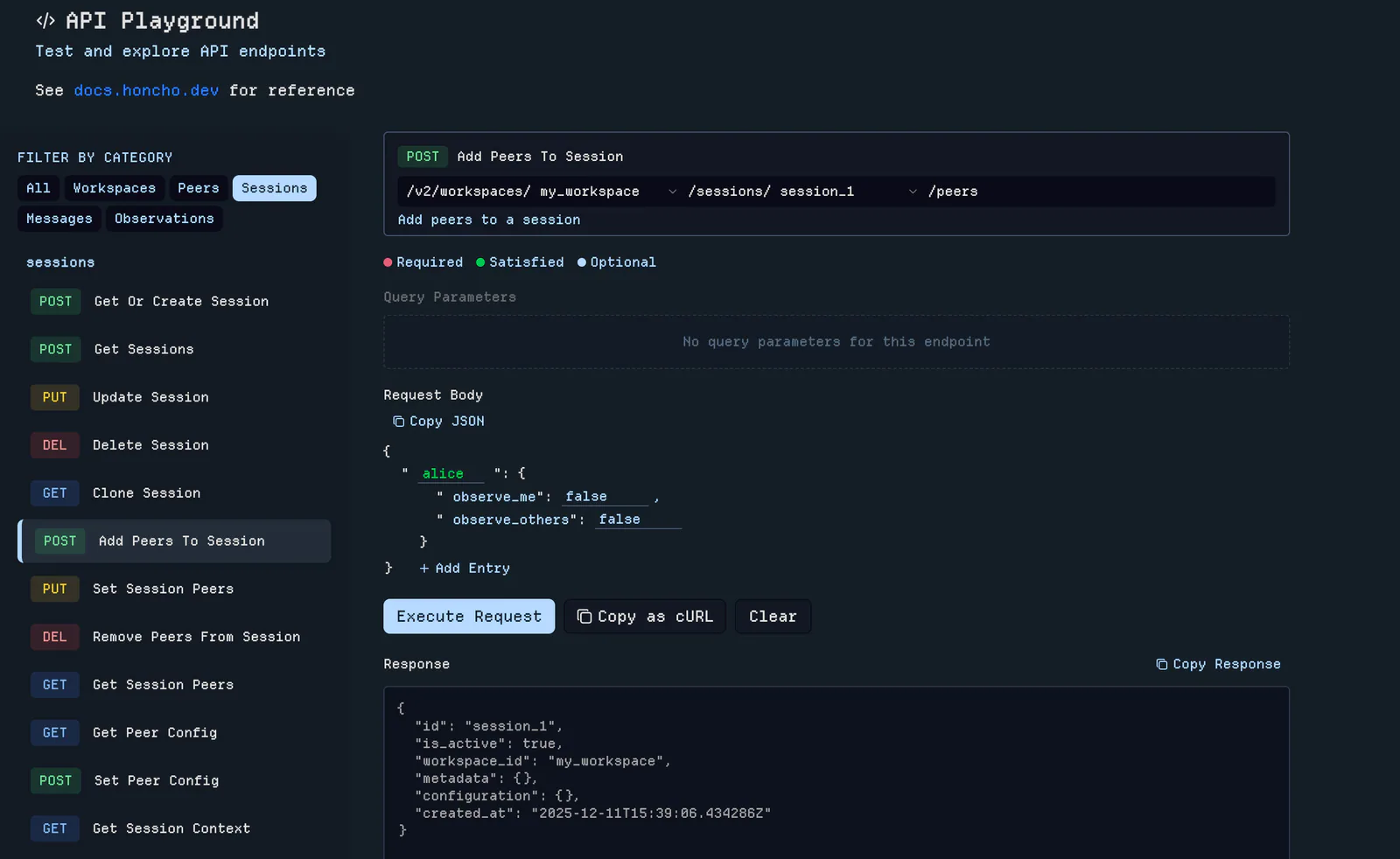
Honcho — Persistent Memory Recall useful context and record durable insights with the connected Honcho memory integration.
Repository last pushed Nov 11, 2026
Free
Other utilities
claude-handoff Summarize a conversation and start a background Claude agent with the handoff.
Repository last pushed Nov 12, 2026
Free & paid options
Development & APIs
Honcho — Inspect Honcho Inspect and debug Honcho workspaces via the `honcho` CLI.
Repository last pushed Nov 11, 2026
Free
Documents
Claude-Mem Session Handoff Write a precise HANDOFF.md covering the goal, current state, files, failed attempts, best theory, and next steps.
Repository last pushed Nov 13, 2026
Free
Productivity & automation
Claude Code Handoff Notes Write or update HANDOFF.md with goals, progress, successful attempts, dead ends and next steps.
Repository last pushed Sep 25, 2026
Free
Skills & MCP
Claude Code Quarter-context Clone Create a fresh Claude Code session retaining only the most recent quarter of a conversation.
Repository last pushed Sep 25, 2026
Skills & MCP
Trail Code Graft Context Use Trail Code's graft index to inspect repository structure, relevant context and change impact.
Repository last pushed Nov 12, 2026
Design agents around capabilities, domain knowledge, context and progressively added complexity.
Repository last pushed Oct 27, 2026
Free
Skills & MCP
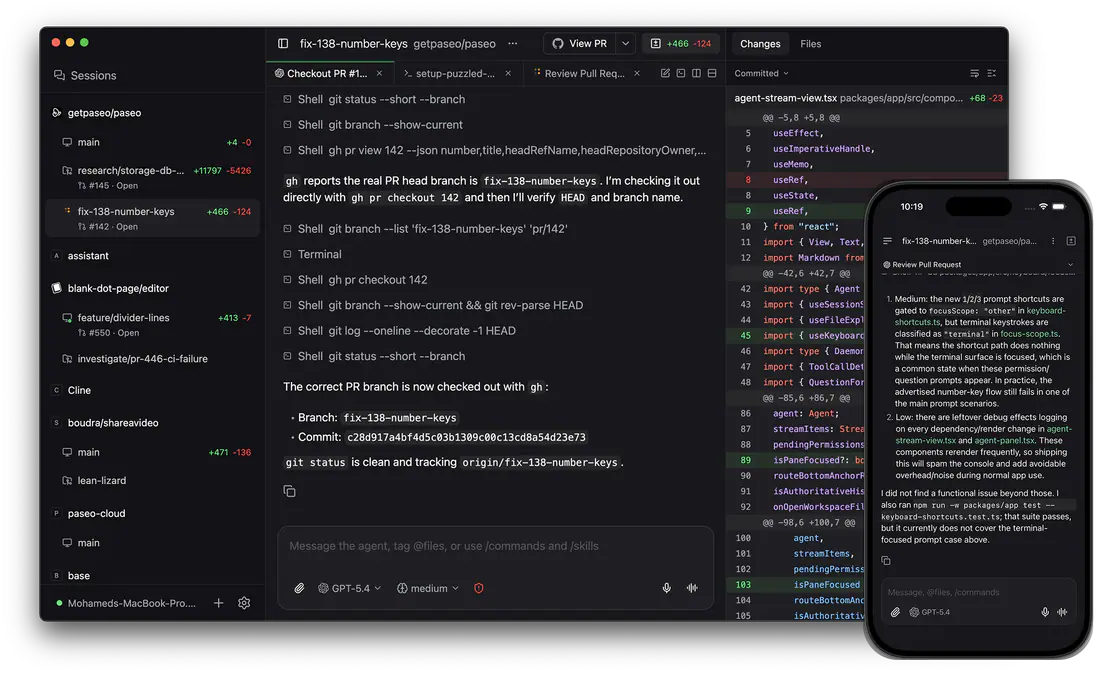
Paseo Agent Handoff Transfer a task to another agent with the working context and progress needed to continue.
Repository last pushed Nov 11, 2026
Search previous Claude Code, Codex and Cursor sessions and summarize attempts, decisions and investigation history.
Repository last pushed Nov 12, 2026
Free & paid options
Development & APIs
Honcho — Integrate Honcho Integrate Honcho memory into existing Python or TypeScript codebases.
Repository last pushed Nov 11, 2026
Install or remove memU through host-specific adapters that connect session recording and memory retrieval.
Repository last pushed Nov 10, 2026
Free & paid options
Tools & workflows 21 skills
Claude-Mem Persistent memory for coding agents, with 21 curated workflows for recall, code exploration, planning, reviews, reports, and integrations. Install the upstream plugin; hosted memory and model usage may cost extra.
Repository last pushed Nov 13, 2026
Free
Research & data
Claude-Mem Memory Search Find previous decisions and solutions with a bounded index → context → selected-details search over Claude-Mem history.
Repository last pushed Nov 13, 2026
Free
Productivity & automation
Claude-Mem Screenpipe Recall Search Screenpipe OCR or audio history and optionally preserve selected findings in Claude-Mem.
Repository last pushed Nov 13, 2026
Free
Research & data
Claude-Mem Memory Knowledge Agent Build a focused corpus from project observations, prime an AI session, and query that corpus conversationally.
Repository last pushed Nov 13, 2026
Free & paid options
Productivity & automation
Claude-Mem Memory Cloud Sync Configure or diagnose Claude-Mem SyncHub through the official installer and verify authenticated hub reachability.
Repository last pushed Nov 13, 2026
Free
Productivity & automation
Claude-Mem Cursor Memory Setup Set up Claude-Mem in Cursor with a local or remote worker and choose the appropriate observation provider.
Repository last pushed Nov 13, 2026
How to choose Agent Memory & Context skills Choose a handoff skill for a bounded transfer, a persistent store for long-lived context, and a search or recall skill when the information already exists somewhere.
Capture a session handoff for tomorrow Search persistent memory for a prior decision Share context between several agents