Free
Development & APIs
Claude-Mem Memory Mode Creator
Interview for a useful memory taxonomy, validate and install a custom mode, and verify it in startup context.
116.9KStars10.1KForks
Repository last pushed
Alex Newman (thedotmack)
These skills help an agent configure its host environment and repeatable commands. They cover Claude Code and Codex context modes, hooks, slash commands, cursor rules, handoffs, and setup utilities.
23 skillsInterview for a useful memory taxonomy, validate and install a custom mode, and verify it in startup context.

Configure an issue tracker, triage labels, and domain documentation for these workflows.
Rename the current Claude session for peon-ping notifications and terminal tab title.
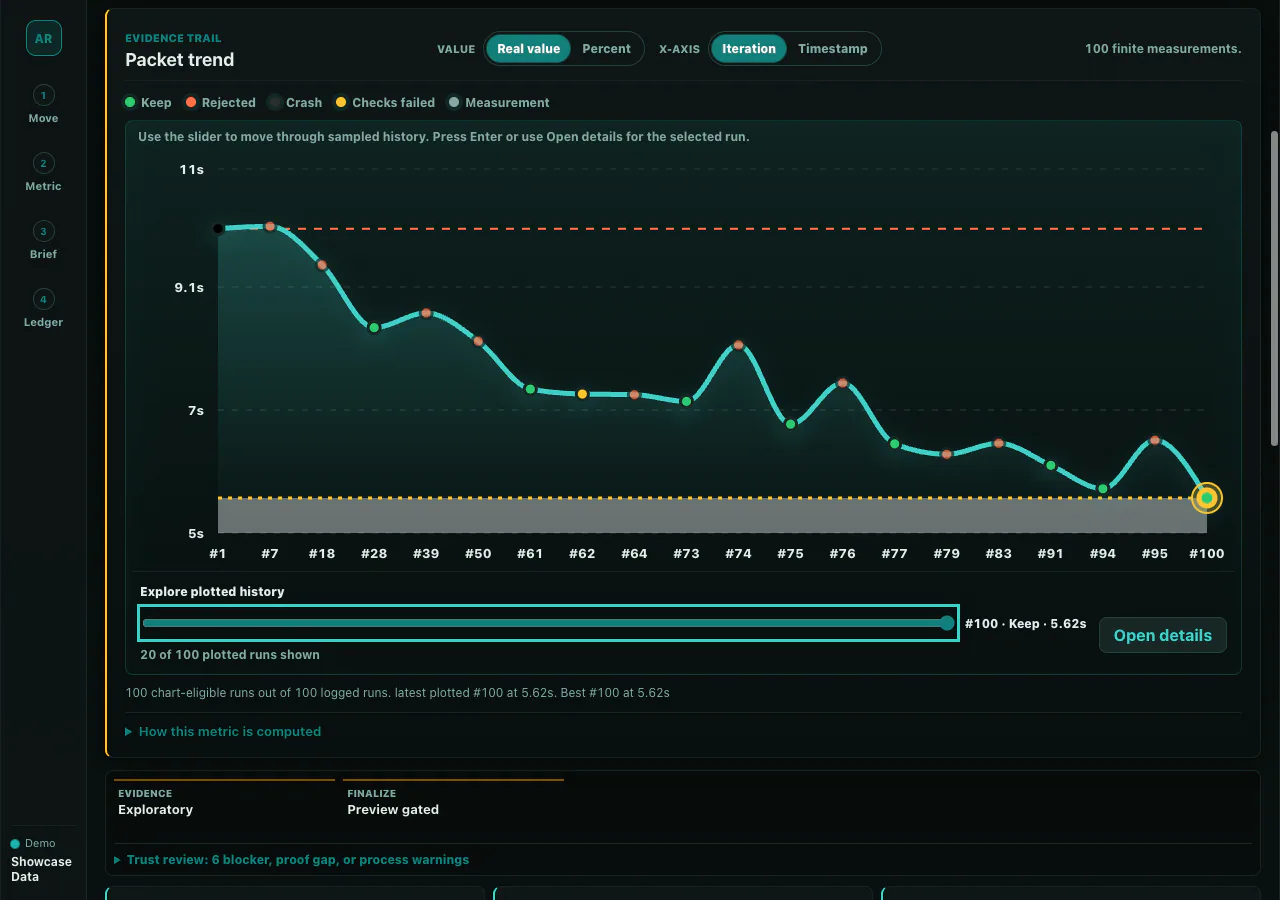
Run resumable improvement loops or bounded investigations in local projects with explicit objectives, allowed changes, budgets, and evidence.
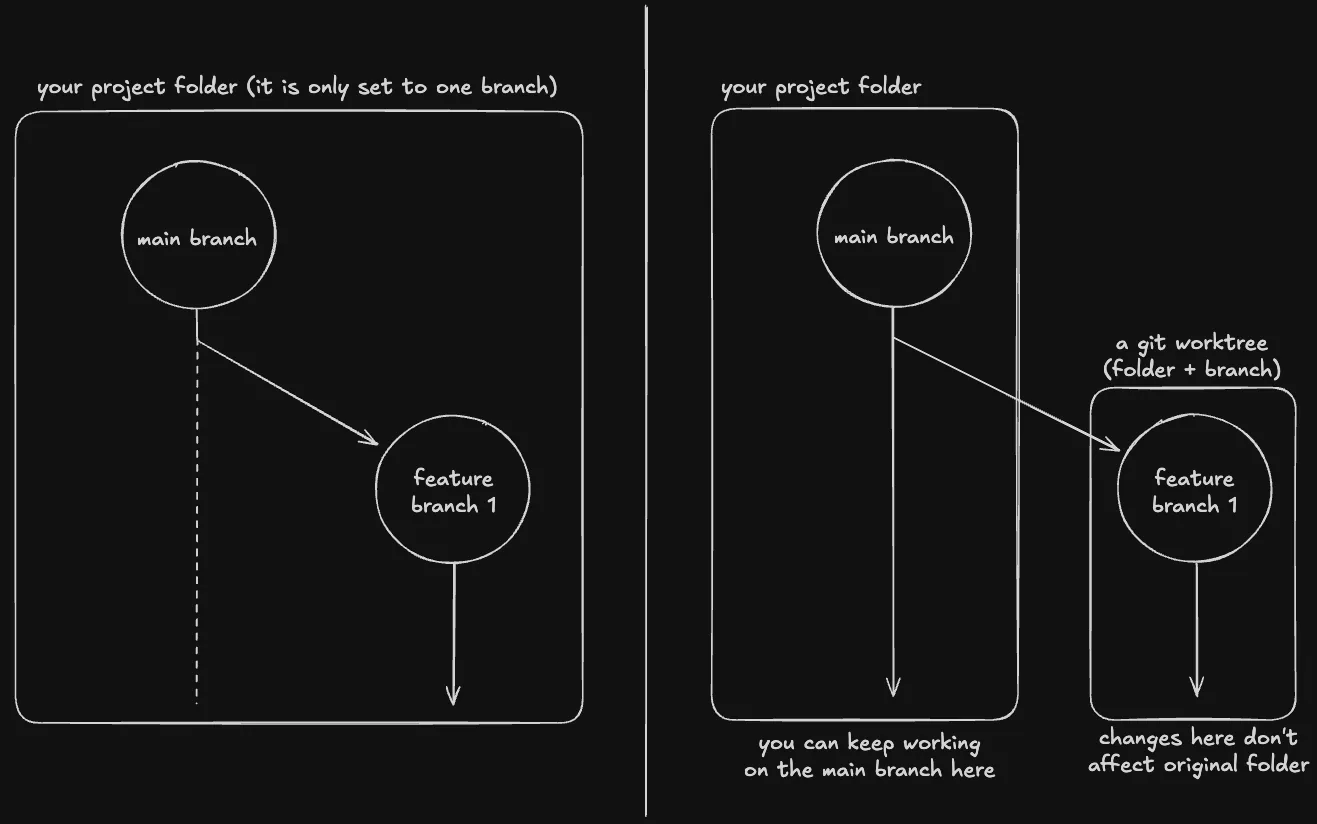
Create a new Claude Code session retaining the later half of an existing conversation.
Generate custom Claude Code slash command files through a guided workflow.
Customize a Claude Code transcript skin, colors, spinner and interface settings.
Create reference-based AGENTS.md guidance and invoke Codex CLI from Claude Code.
Review or draft Claude Code project guidance tailored to a repository.
Context handoffs, GitHub debugging and search, news summaries and Claude Code maintenance workflows.
Claude Code workflows for tiered delivery orchestration and customizing the transcript skin.
Compare release notes and reported regressions to decide whether to update, pin or keep a Claude Code version.
Update peon-ping configuration — volume, pack rotation, categories, active pack, and other settings.
Create or improve Cursor project rules with appropriate structure and scope.
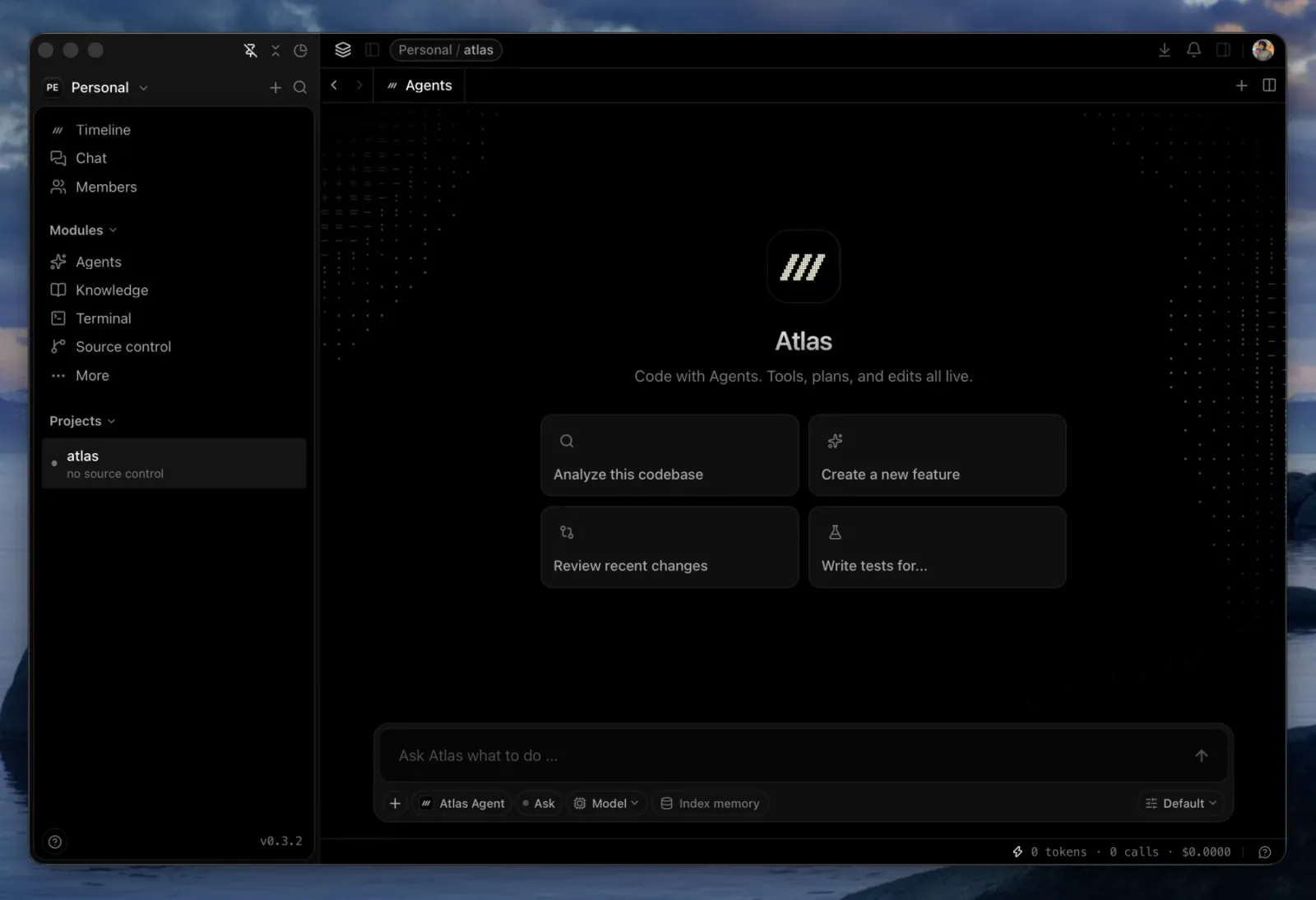
Inspect and safely update Atlas user preferences through Atlas's config.toml.
Set up Claude-Mem in Cursor with a local or remote worker and choose the appropriate observation provider.
Get Firecrawl credentials and SDK setup into a project.
Configure, extend, debug, or contribute to PicoClaw itself.
Use when the user wants to add, write, debug, or configure a Crush hook — gating or blocking tool calls, approving or rewriting tool input before execution, injecting context into tool results, or troubleshooting hook behavior in crush.json.
Use when the user needs help configuring Crush — writing crushrc (the Bash config format) or crush.json, setting up providers, models, LSPs, MCP servers, hooks, skills, permissions, or changing Crush behavior.
Write or update HANDOFF.md with goals, progress, successful attempts, dead ends and next steps.
Create a fresh Claude Code session retaining only the most recent quarter of a conversation.
Review recent conversation history to identify useful improvements to project and global CLAUDE.md guidance.
Start with host rules and workflow tips, then add hooks or command factories for repeated actions; use context-mode entries when long sessions need a deliberate boundary.