Free
Development & APIs
Claude-Mem Memory Mode Creator
Interview for a useful memory taxonomy, validate and install a custom mode, and verify it in startup context.
116.9KStars10.1KForks
Repository last pushed
Alex Newman (thedotmack)
These skills help an agent configure its host environment and repeatable commands. They cover Claude Code and Codex context modes, hooks, slash commands, cursor rules, handoffs, and setup utilities.
23 skillsInterview for a useful memory taxonomy, validate and install a custom mode, and verify it in startup context.

Configure an issue tracker, triage labels, and domain documentation for these workflows.
Rename the current Claude session for peon-ping notifications and terminal tab title.
Update peon-ping configuration — volume, pack rotation, categories, active pack, and other settings.
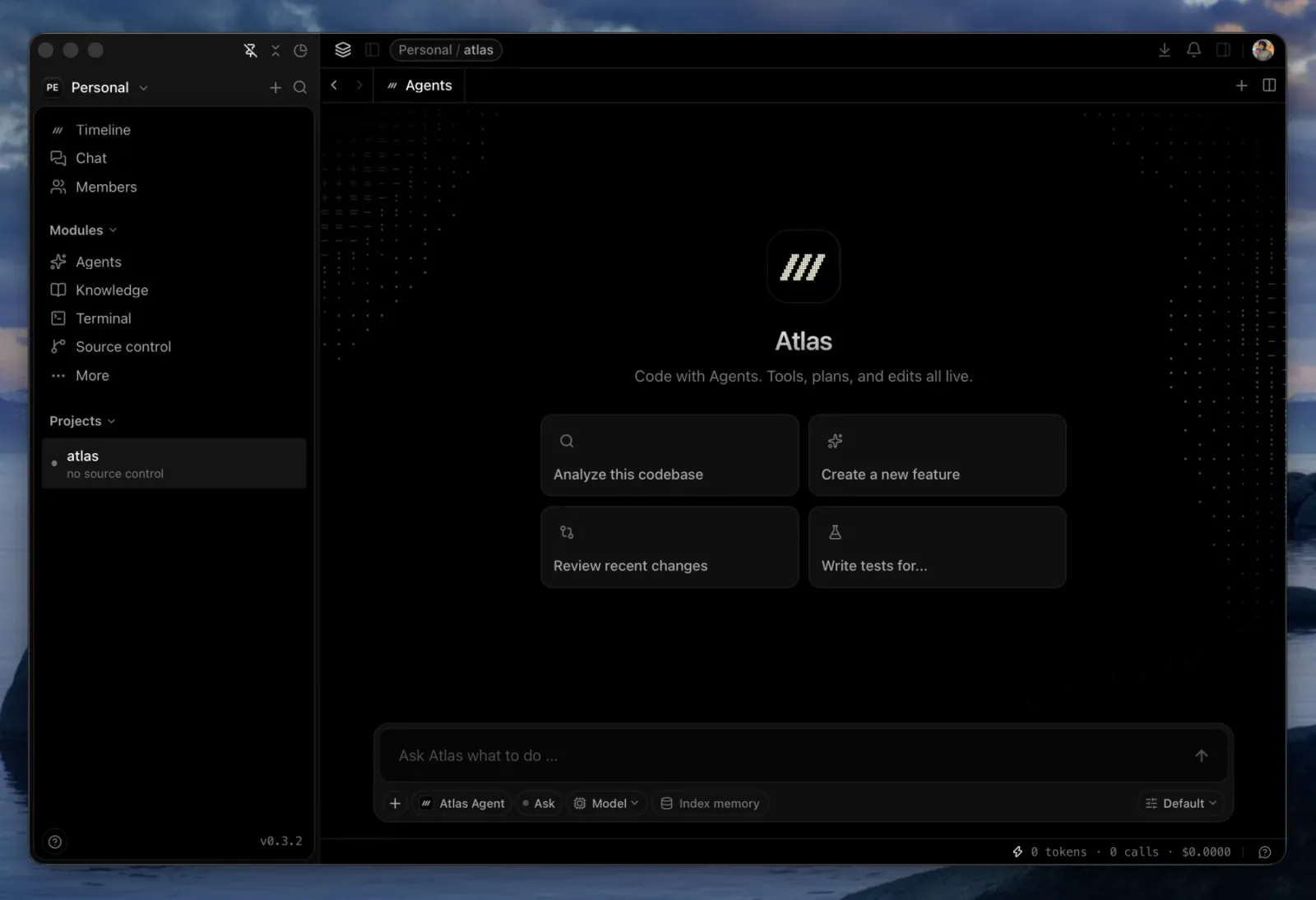
Inspect and safely update Atlas user preferences through Atlas's config.toml.
Get Firecrawl credentials and SDK setup into a project.
Configure, extend, debug, or contribute to PicoClaw itself.
Use when the user wants to add, write, debug, or configure a Crush hook — gating or blocking tool calls, approving or rewriting tool input before execution, injecting context into tool results, or troubleshooting hook behavior in crush.json.
Use when the user needs help configuring Crush — writing crushrc (the Bash config format) or crush.json, setting up providers, models, LSPs, MCP servers, hooks, skills, permissions, or changing Crush behavior.
Start with host rules and workflow tips, then add hooks or command factories for repeated actions; use context-mode entries when long sessions need a deliberate boundary.