
Free
SEO & marketing
Zhang Yiming Perspective
Examine products, organization, global growth and hiring through empathy, incentives and underlying problem structure.
34.6KStars4.6KForks
Repository last pushed
Huashu (花叔 / alchaincyf)
Explore skills for framing business questions and supporting product and customer work.
26 skillsExamine products, organization, global growth and hiring through empathy, incentives and underlying problem structure.

Use an Adlerian psychology framework to examine procrastination or interrupted action when you already know what you intend to do.
Apply behavioral models to messaging and decisions while testing assumptions against evidence.
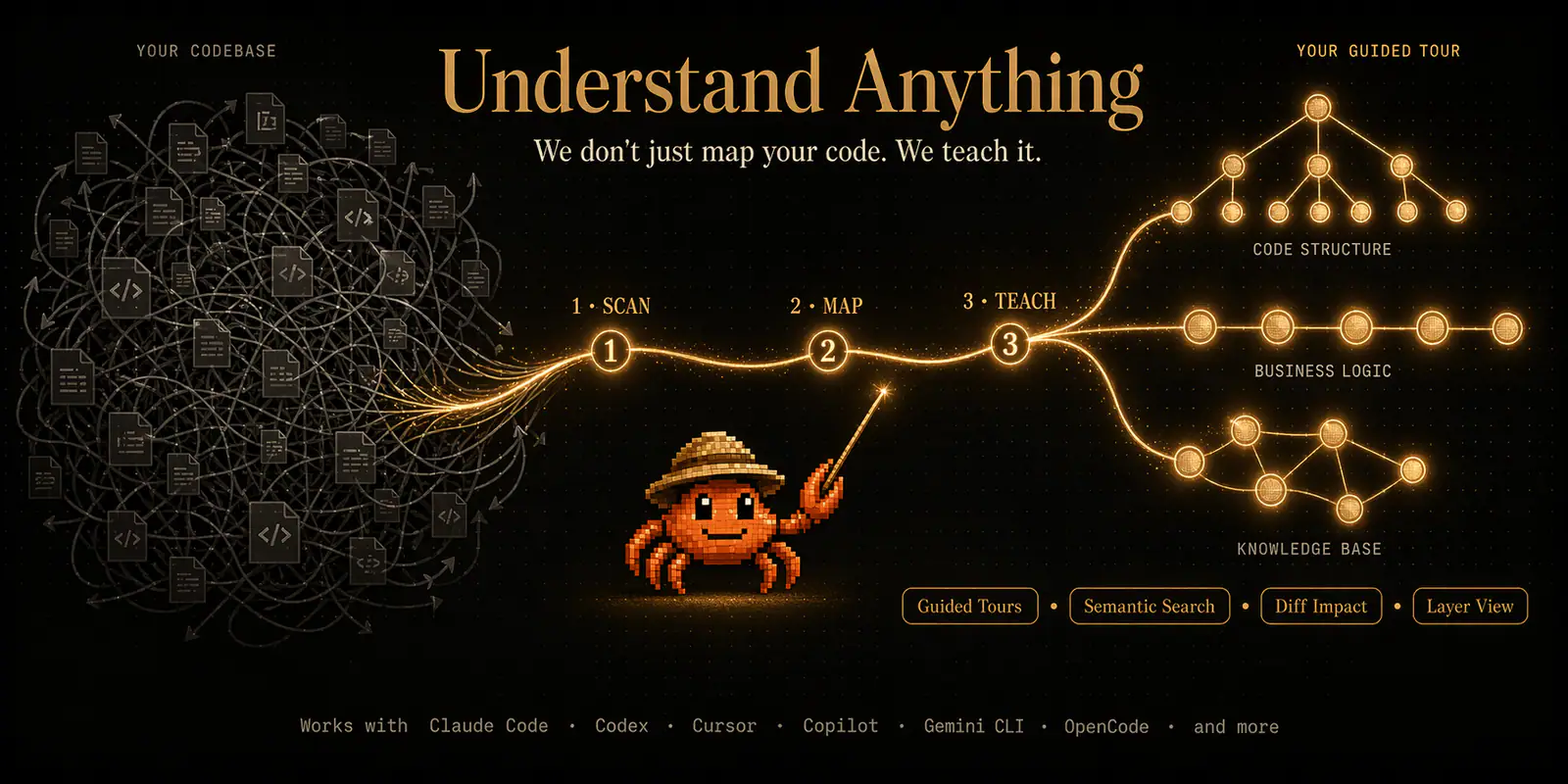
Extract business concepts and workflows into an interactive domain flow graph.
Examine products, organization, global growth and hiring through empathy, incentives and underlying problem structure.
Use an Adlerian psychology framework to examine procrastination or interrupted action when you already know what you intend to do.
Analyze negotiation, power and public messaging, with separate role-play and analytical modes.
Build local records for decisions that need follow-up, including assumptions, outcomes, current state, and later review.
Apply behavioral models to messaging and decisions while testing assumptions against evidence.
Use Jobs to Be Done to identify desired progress, switching forces, alternatives, and selection criteria in a specific customer situation.
Review AI engineering, learning and product questions through software paradigms, building to understand and reliability engineering.
Extract business concepts and workflows into an interactive domain flow graph.
Compare perspectives from configured thinker personas to examine complex decisions and record a reasoned outcome.
Simulate different marketing lenses, surface disagreements and synthesize a decision with sources.
Cross-examine non-trivial engineering decisions using fresh-context adversarial review and explicit stop conditions.

Research everyday decisions against the Chinese How to Live Better guide, with source references, costs and evidence levels.
Create a shared product, audience and positioning document that other marketing Skills can reuse.
Recommend or use named experts to simulate a multi-role discussion on a topic and summarize their disagreements.
Choose, clarify, combine, or compare the relevant skills for your current task, then continue working in the same conversation.
Examine uncertainty through asymmetric risks, antifragility, skin in the game, subtraction and domain boundaries.
Simulate a discussion involving Hayek, Mises, and Claude from an Austrian economics perspective.
Clarify vague business concepts and distinguish meanings using Wittgenstein and Austrian economics as analytical frameworks.
Examine early startups, product ideas and writing through independent thought, iterative discovery and taste.
Examine work and life choices through specific knowledge, leverage, long-term compounding and the costs of desire.
Review products and design through focus, end-to-end experience and the intersection of technology and the humanities.
Diagnose a specific business problem or examine a business model, including customers, pricing, products, and delivery.
Review decisions with a latticework of mental models, inversion, incentives, cognitive biases and a circle of competence.
Compare relevant theories with structurally similar historical successes, failures, and counterexamples to derive an answer with explicit conditions.
Examine engineering assumptions, costs and processes with first principles, physical limits and iterative simplification.
Use a five-stage filter to find useful businesses or products to learn from while accounting for differences between their circumstances and yours.
Explore skills for framing business questions and supporting product and customer work.