Scan React projects for correctness, accessibility, security, architecture and performance findings; triage and fix issues with the upstream workflow.
15.1KStars499Forks
Repository last pushed
These skills help an agent review code changes and respond to reviews. They cover full PR reviews, delta reviews, handling feedback, dependency PRs and writing clear PR descriptions.
56 skillsScan React projects for correctness, accessibility, security, architecture and performance findings; triage and fix issues with the upstream workflow.

Review changes since the latest commit with incremental impact and blast radius analysis.
Review Renovate bot PRs that update GitHub Actions dependencies. Verifies supply chain integrity by checking pinned commit SHAs against upstream tagged releases, reviews changelogs for breaking changes, and confirms compatibility with existing workflow configurations.
Review code changes using detected modifications and their effects on dependent code.
Organize and implement code-review feedback.
Read and triage existing pull request review comments, or address them when requested.
Review and improve SwiftUI state management, layouts, accessibility and performance, with Instruments trace guidance.
Review SwiftUI code for modern API usage, accessibility, data flow and performance.
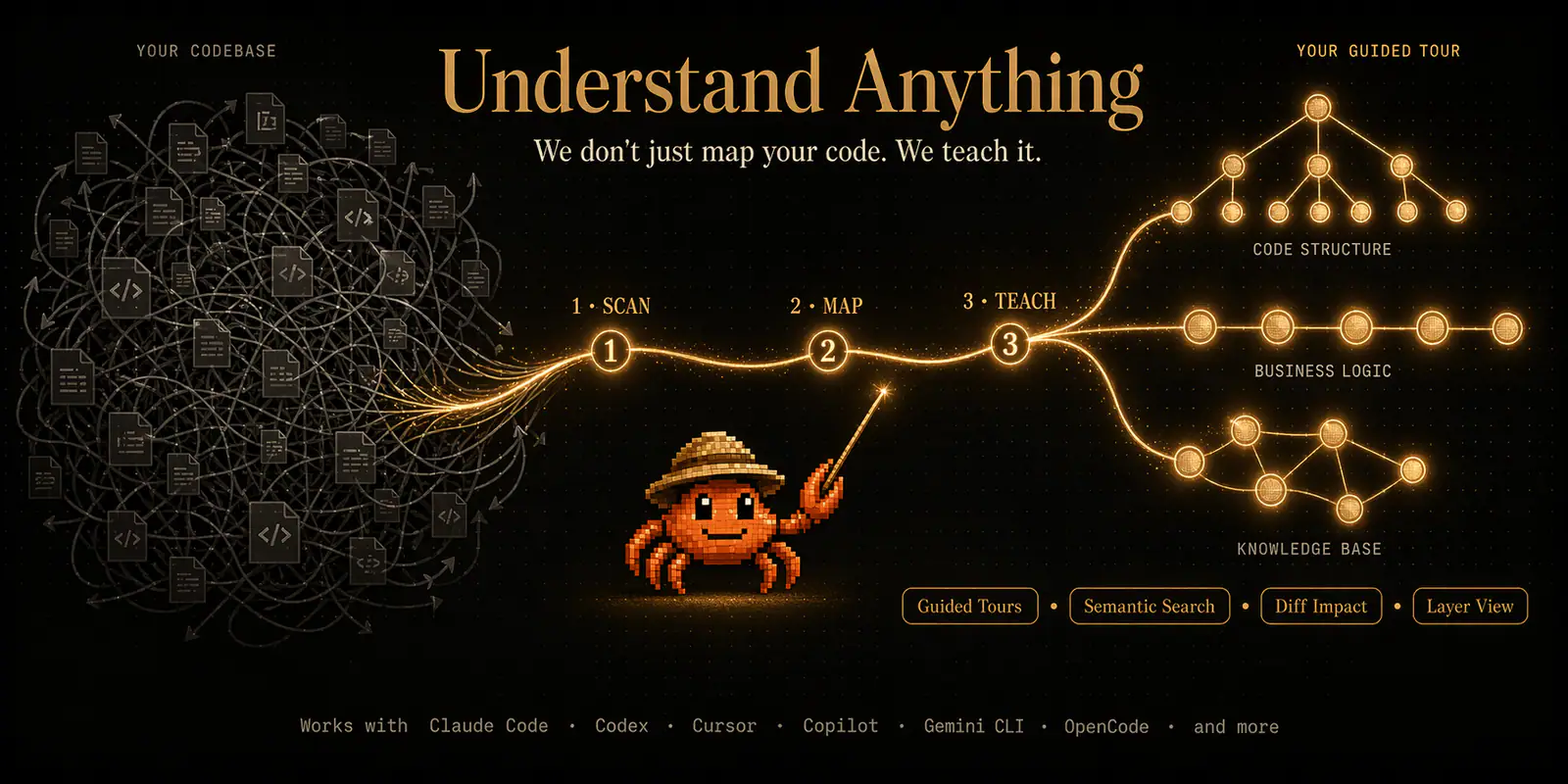
Explain Git diffs or pull requests, affected components and potential change risks.
Reviews animation and motion code against a high craft bar derived from Emil Kowalski's design engineering philosophy. Default to flagging; approval is earned.
Audit and update npm/Bun dependencies with supply chain integrity checks — verifies maintainers, publish age, tarball diffs, and provenance before bumping. Defers risky packages to ~/.supply-chain/notes/.
Run an iterative worker-reviewer cycle for code, specifications or writing, with actionable feedback and a bounded review loop.
React Doctor workflows for scanning React code, planning fixes, inspecting Three.js and measuring runtime performance.
Search for existing JavaScript and TypeScript symbols before adding potentially duplicate code.
Apply task-oriented Rust guidance for ownership, error handling, async code, concurrency, API design, and code review.
Review or de-slop concrete changes in ccch1mneyyy/dsh-TUI at maintainer level: PR numbers or URLs, branches, commit ranges, patch files, staged or unstaged worktrees, and scoped repository-hygiene requests.
Review code for security, correctness, performance, maintainability and testing gaps.
Turn systems, code changes and plans into visual HTML pages, diagrams and slide decks.
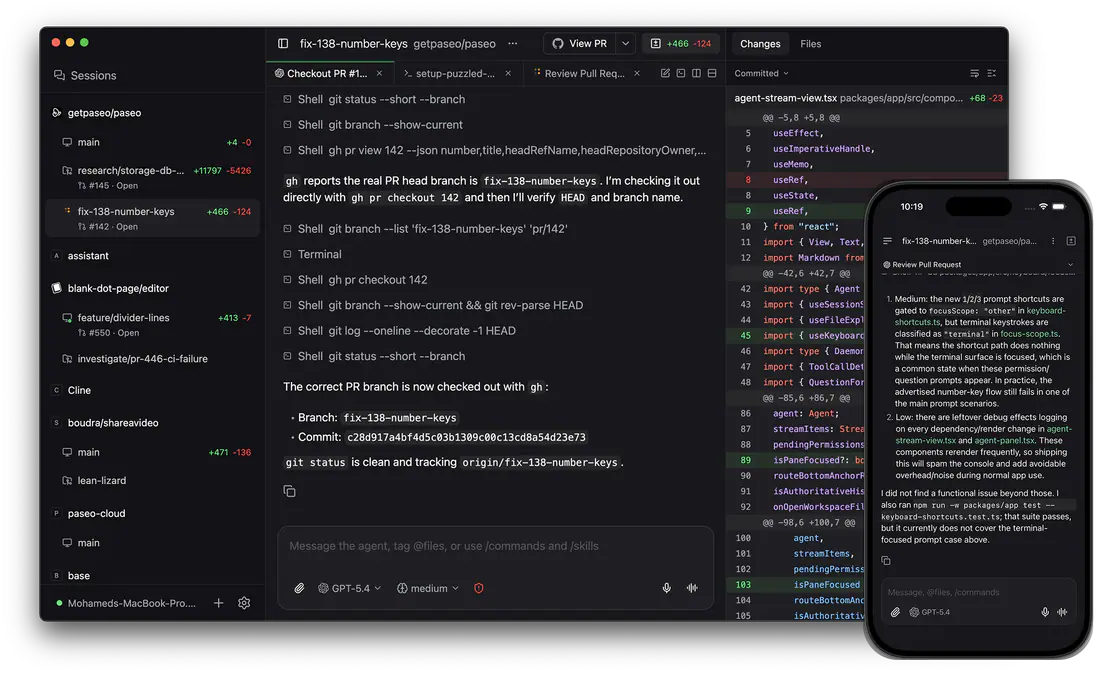
Ask one coding agent for a second opinion on a task while retaining ownership of the work.
Review, write and refactor NestJS applications using prioritized guidance on architecture, dependency injection, security and performance.
Review changes for correctness, readability, architecture, security and performance with actionable findings.
Audit the repository or a broad subsystem for security, correctness, and maintainability risks.
Evaluate code-review feedback against the actual code before accepting, clarifying or challenging it.
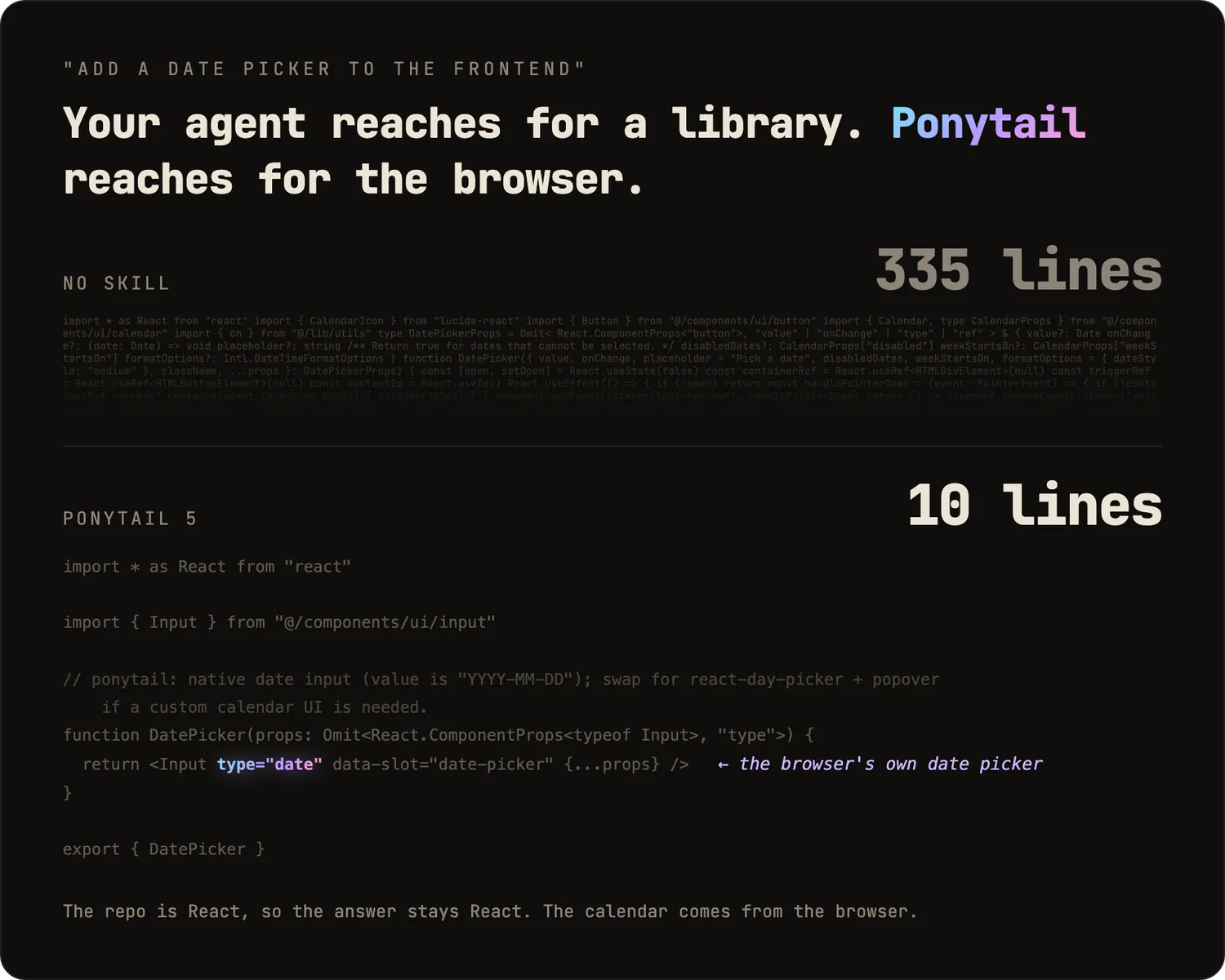
Make the smallest complete change, with adjustable coding intensity and concise explanations.
Simplify recently changed code while preserving behavior, using the project conventions and checking for duplicate helpers.
Survey a React codebase and turn prioritized findings into implementation plans without editing application source.
Review diffs and pull requests, assess release readiness, and follow publishing steps.
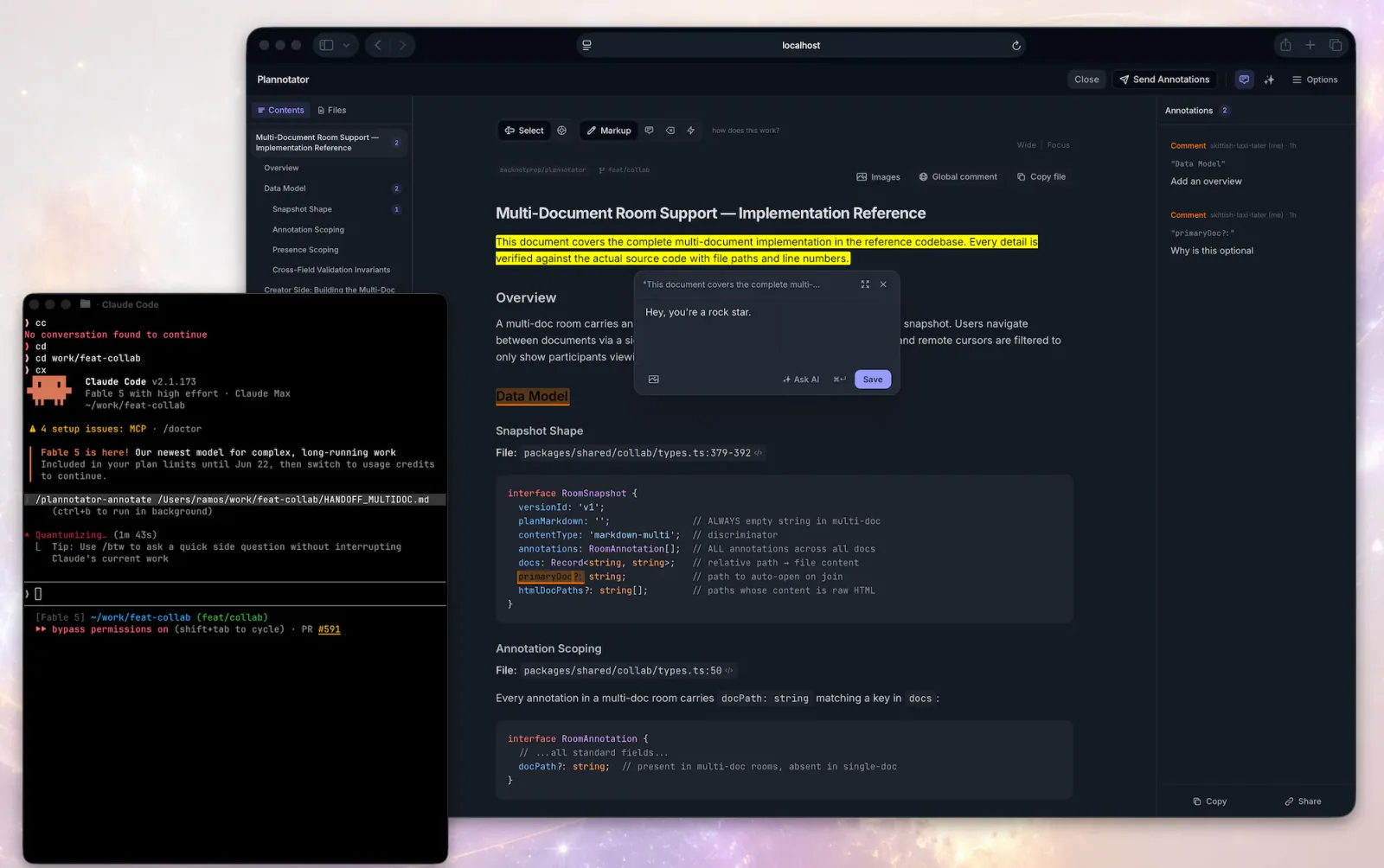
Open Plannotator's browser-based code review UI for the current worktree, another directory, or a pull request URL, then act on the feedback that comes back.
Write concise code-review findings with location, problem and proposed fix.
Audit a codebase, prioritize evidence-backed findings, and write implementation plans for another agent or developer.
Review pull requests and branch diffs with graph context and a structured impact report.
Cross-examine non-trivial engineering decisions using fresh-context adversarial review and explicit stop conditions.
Audit a codebase for architecture, quality, security and testing issues.
Review a change and its connected code for correctness, safety, performance and unnecessary complexity.

Review a change against project standards and the originating specification using two review tracks.
Review a branch, pull request or uncommitted change for introduced UI regressions.
Use Plannotator for plan and code review, artifact annotations, archived decisions and asynchronous feedback.
Monitor a pull request, address actionable review feedback, and recheck CI until the PR meets its readiness criteria.
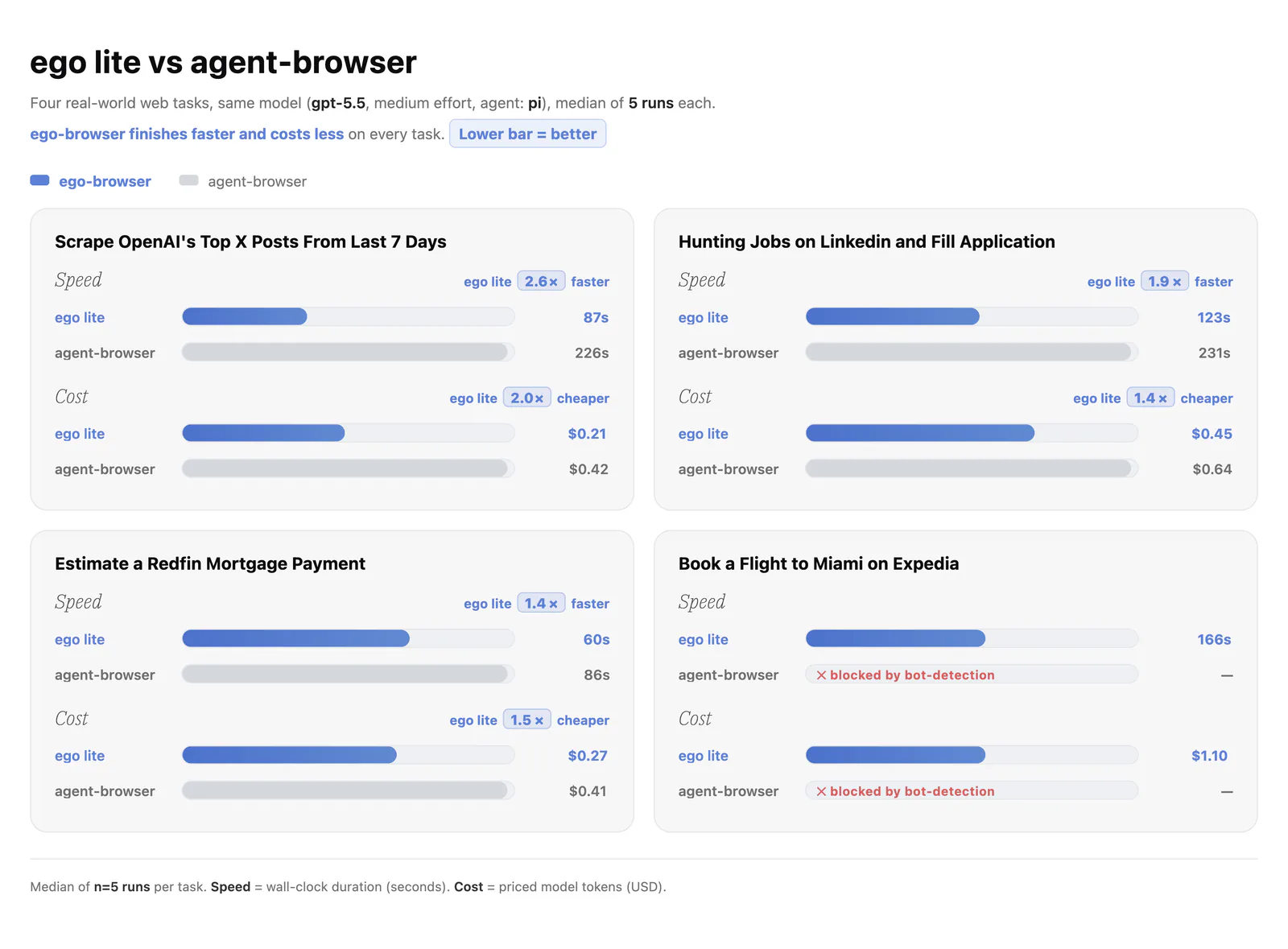
Find evidence-backed opportunities to remove dead code, duplicate state and unnecessary abstractions in ego-lite.
Find security vulnerabilities in a codebase or repository with Strix — a white-box AI security review that reads your source, reasons about the actual data flow and authorization model, then exploits what it finds in a live sandbox so every reported issue has a working proof-of-concept instead of a noisy static-analysis alert.
Performs AI-powered code review on Git changes using the `ocr` CLI from alibaba/open-code-review.
Delegation mode for open-code-review (OCR).
Review Git changes with the OCR CLI, using either a configured model provider or the host agent for review reasoning.
Compare code review skills for Git changes, graph context, focused findings and visual feedback. Choose a child workflow and give it a clear review boundary.
Use a full review skill for new PRs, a delta skill for follow-up commits, and feedback skills when you are the author responding to comments.