Free
Documents
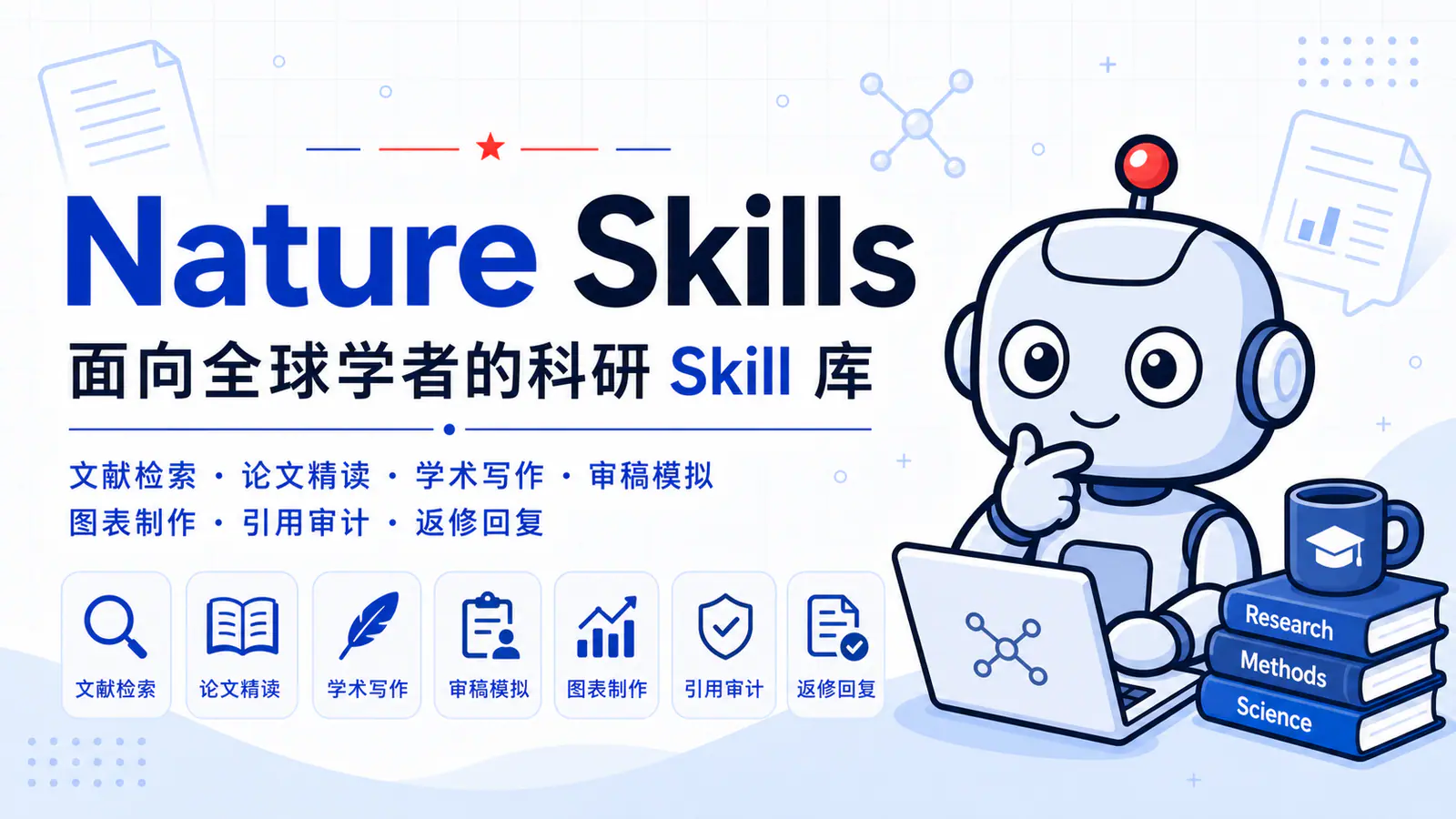
Nature Paper Card
Build a structured paper-reading card covering methods, evidence chains, limitations and testable research ideas.
48.5KStars2.5KForks
Repository last pushed
Yuan1z0825 and contributors
Find skills that help organize work, preserve useful information, and support learning.
63 skillsBuild a structured paper-reading card covering methods, evidence chains, limitations and testable research ideas.
Guide a programming exercise using dsh-tui or a topic the user wants to learn.
Organize a local folder into a knowledge base with navigation, version checks, health reviews, and source-of-truth governance.
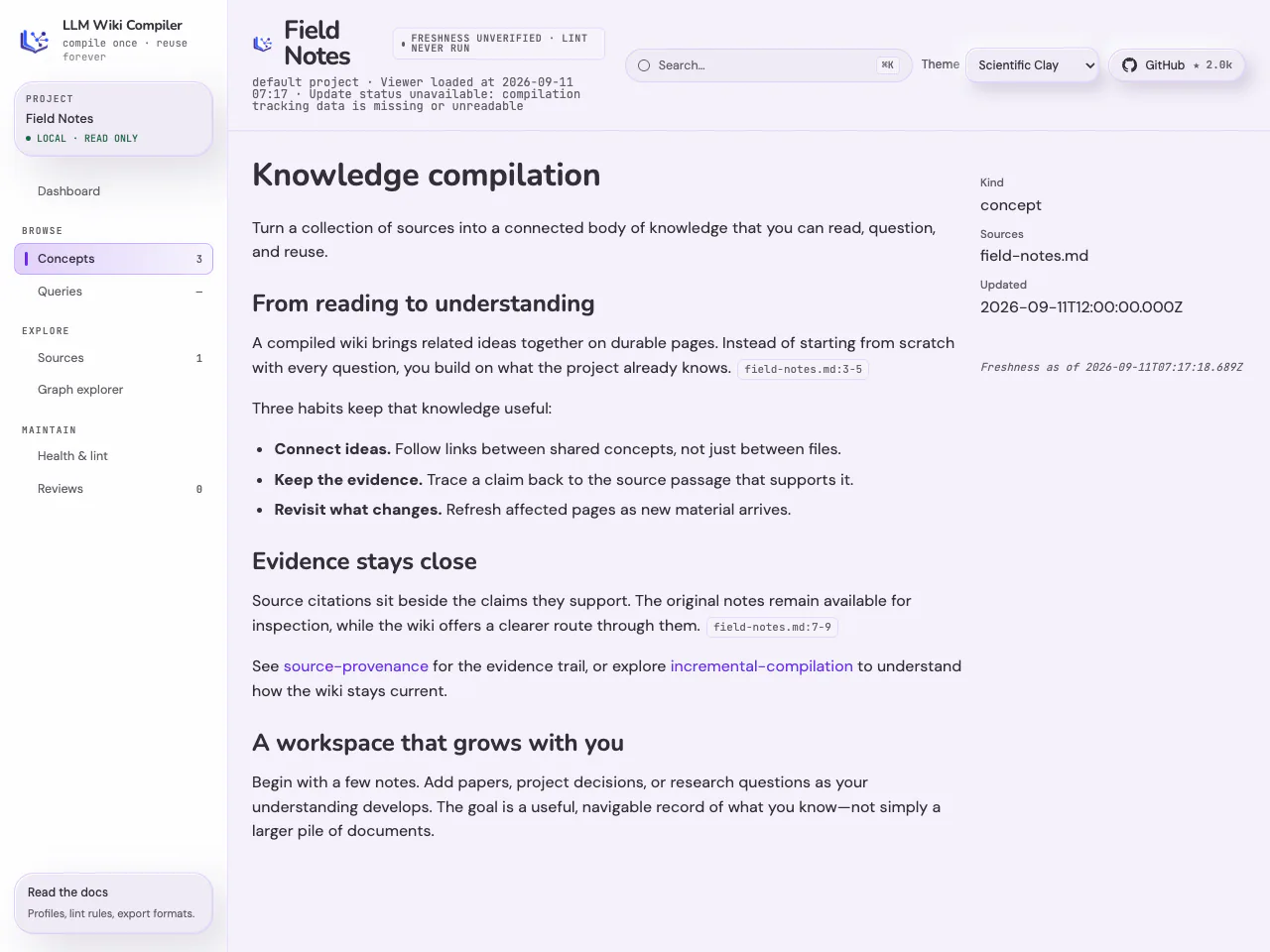
Compile documents, research papers, and notes into a persistent knowledge wiki with source citations and reusable context retrieval.
Build a structured paper-reading card covering methods, evidence chains, limitations and testable research ideas.
Guide a programming exercise using dsh-tui or a topic the user wants to learn.
Organize a local folder into a knowledge base with navigation, version checks, health reviews, and source-of-truth governance.
Break a topic into a sequence of learning articles and adjust depth, perspective, and pace from the learner’s feedback.
Compile documents, research papers, and notes into a persistent knowledge wiki with source citations and reusable context retrieval.
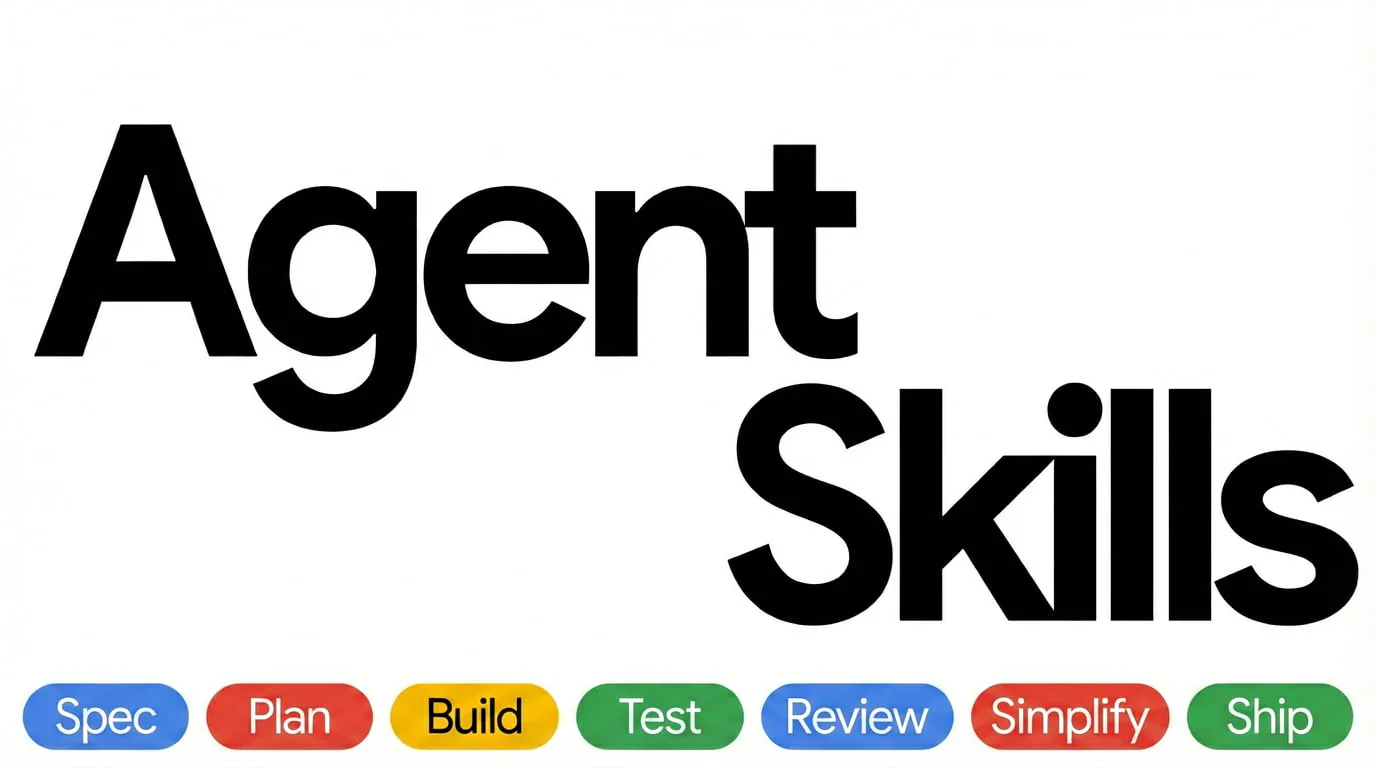
Convert specifications into ordered, independently verifiable tasks with dependencies and acceptance criteria.
Turn a reaction into a 3D molecular demonstration with balanced equations, bond changes, atom-conservation checks, and a reaction-progress slider.
Turn an unclear intention into a concrete deliverable with scope, constraints, and observable acceptance criteria.
Create short animated GIFs for Slack with frame generation, palette optimization and size validation.

Connect the CareerOps application tracker with its configured Notion workspace.
Turn experiment images, voice notes and text into structured Markdown logs with YAML metadata and optional Obsidian or Feishu integration.
Create and edit Obsidian Bases (.base files) with views, filters, formulas, and summaries.
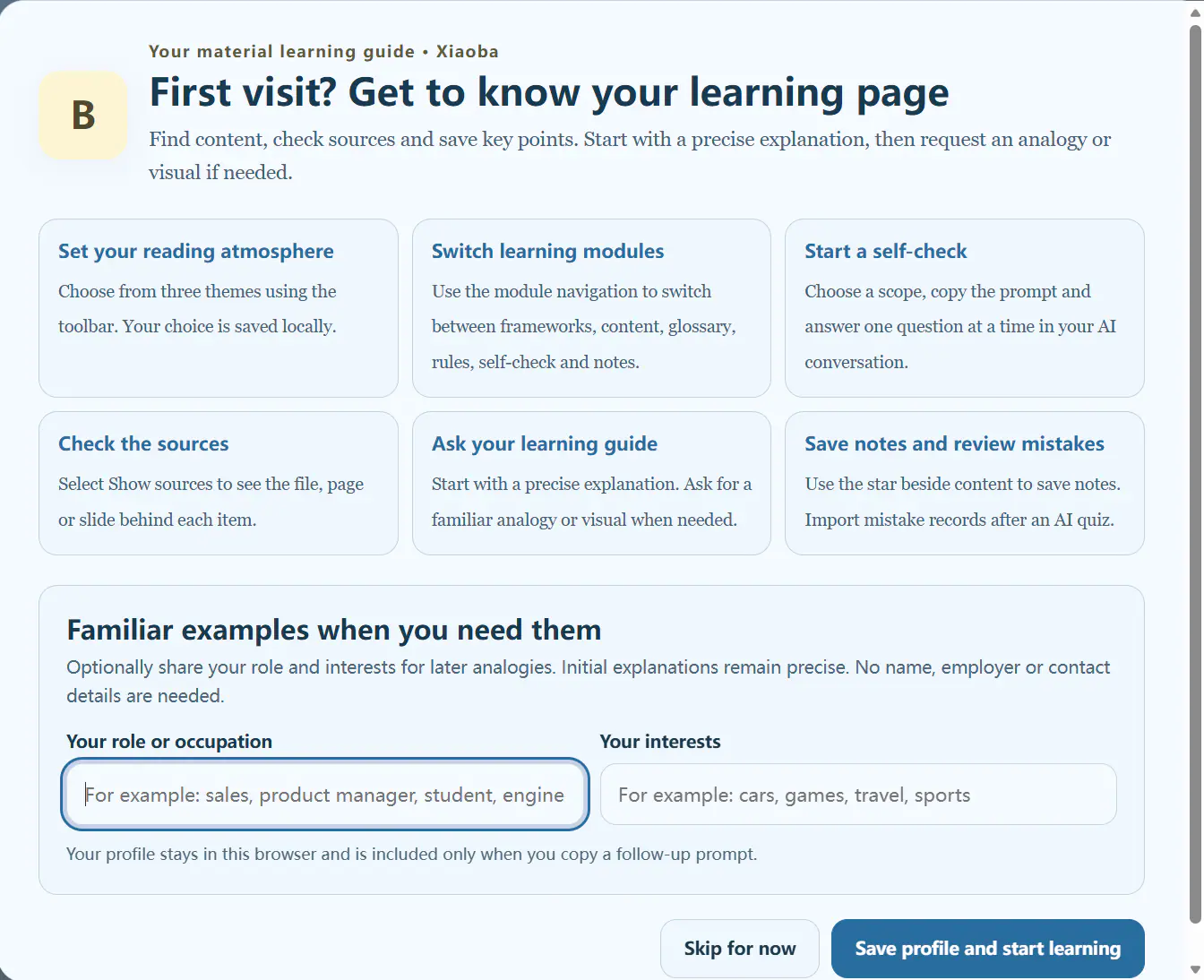
Turn books, papers, slides, and notes into source-grounded learning materials, interactive HTML study pages, and Markdown references.
Create and edit Obsidian Flavored Markdown with wikilinks, embeds, callouts, properties, and other Obsidian-specific syntax.
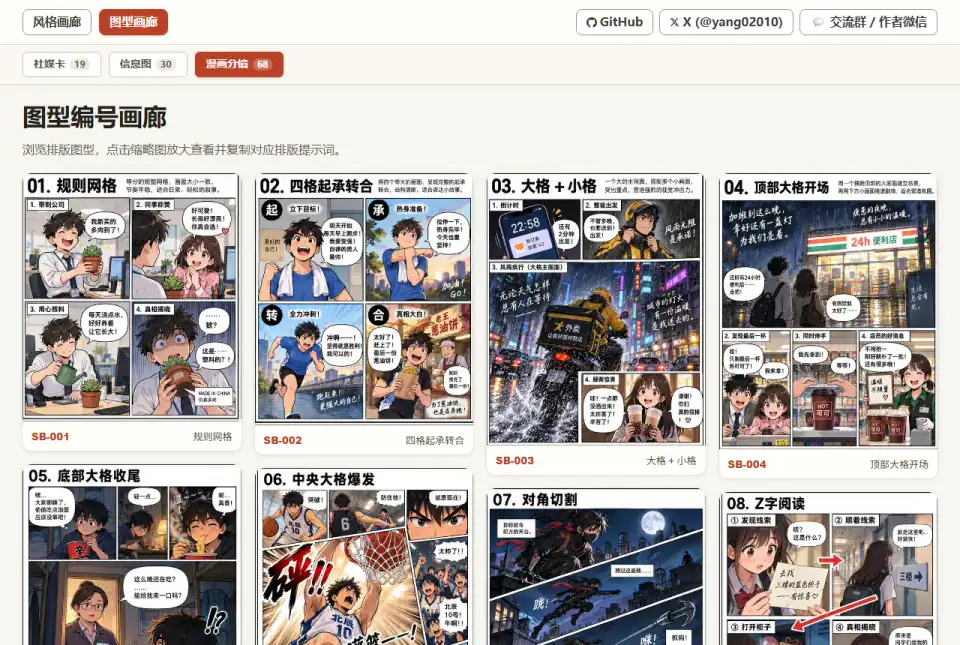
Import visual references from an X/Twitter post into the numbered style library and refresh its galleries.
Record recurring task patterns and user corrections, then review them as evidence for improving reusable agent Skills.

Review AI engineering, learning and product questions through software paradigms, building to understand and reliability engineering.
Plan transactional and marketing email with domain authentication, accessible content, reliable retries, consent handling, and delivery-event monitoring.
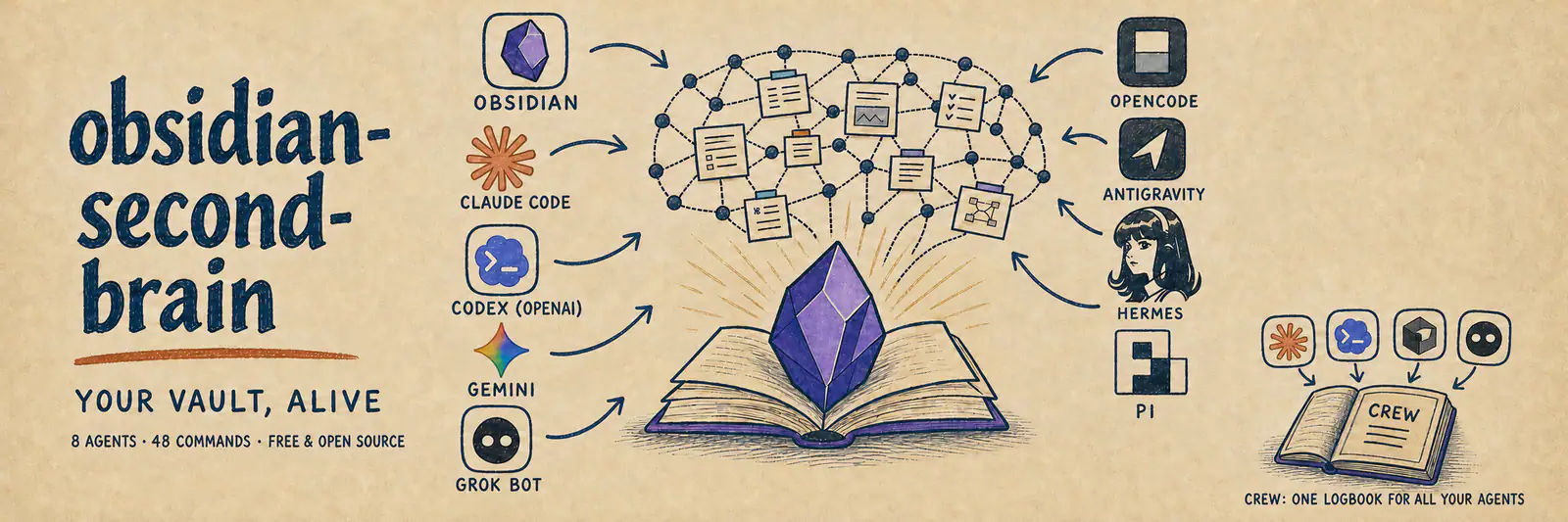
Organize an Obsidian vault into a connected knowledge system with source ingestion, linked notes, task tracking, and agent-assisted maintenance.
Review education and career choices by working backward from employment, comparing constraints and checking current data.
Research an unfamiliar subject and organize source material into a publishable reference.
Write internal updates, newsletters and FAQs using communication-specific templates and tone guidance.
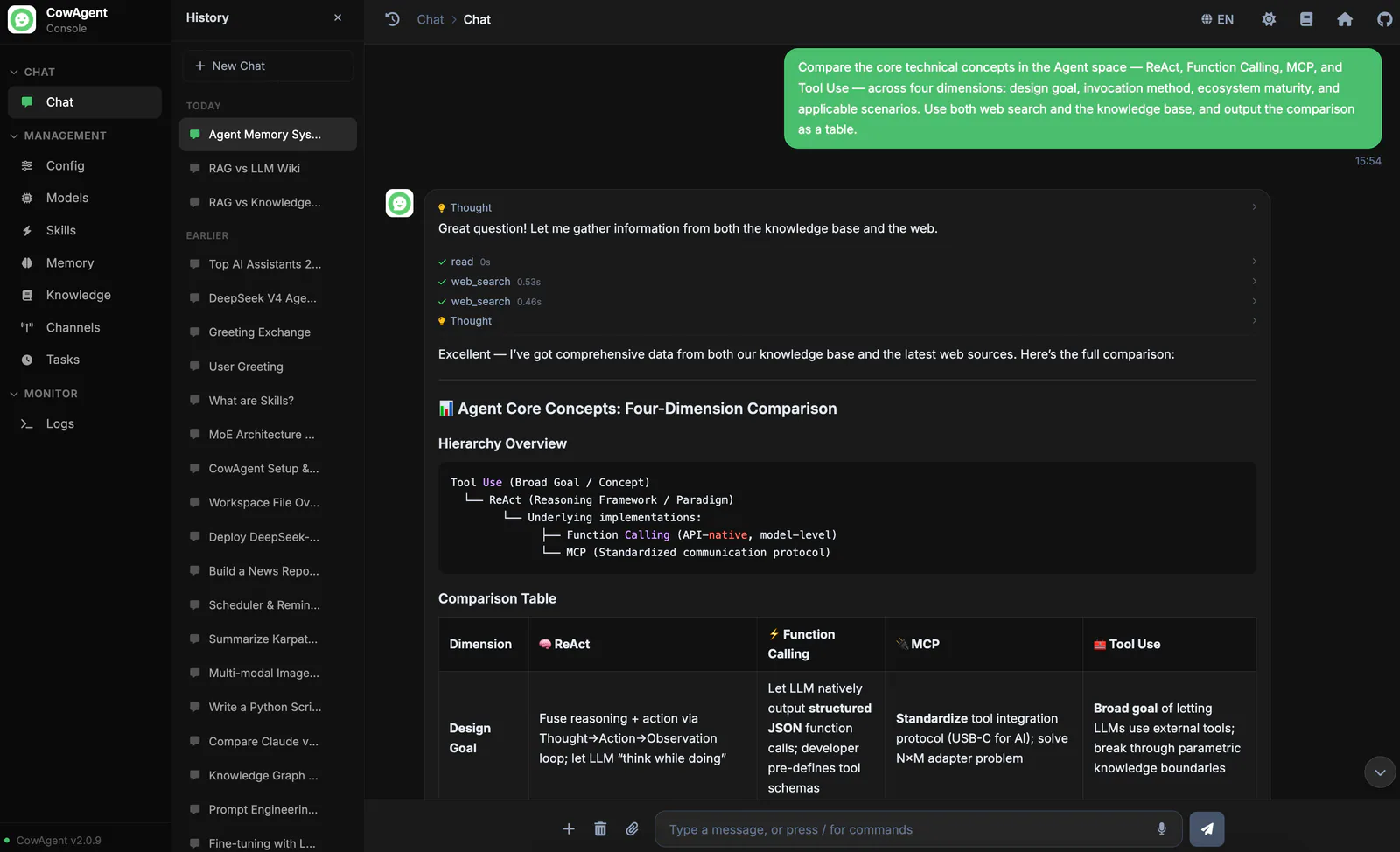
Organize articles, documents, and conversation findings in a linked personal knowledge wiki.
Turn a rough goal into an agent task brief with researched constraints and acceptance criteria.
Build local records for decisions that need follow-up, including assumptions, outcomes, current state, and later review.
Restore the latest diagnosis saved with dbs-save to resume its findings and unfinished work.
Five official workflows for email APIs, inbound agent inboxes, React Email templates, delivery practices, and the Resend CLI.
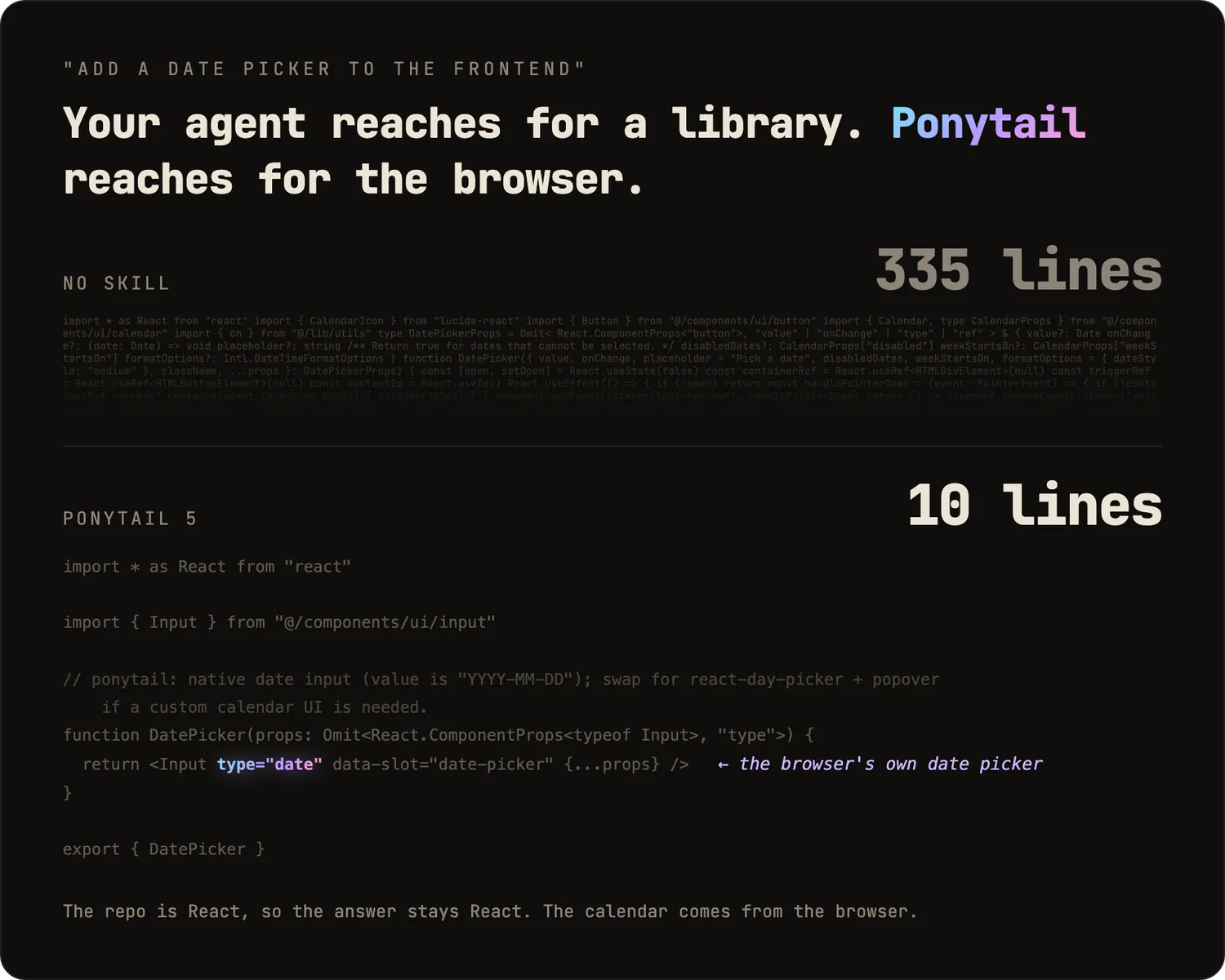
Show a quick reference for Ponytail modes, Skills and commands.
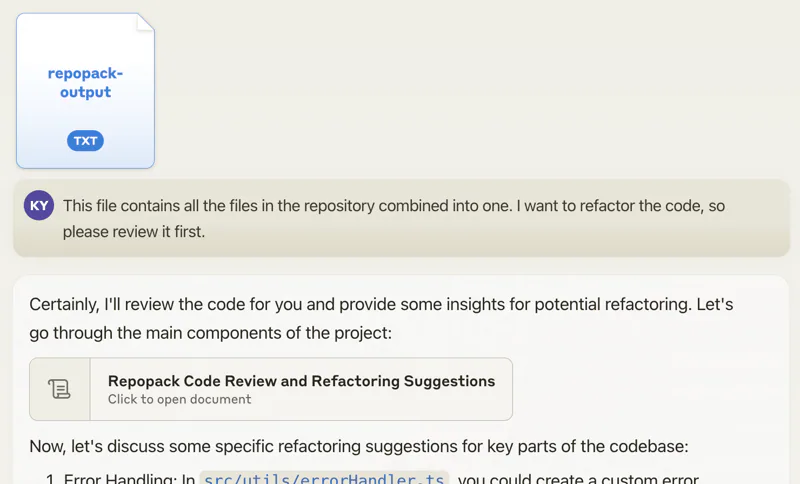
Maintain a shared local Markdown notebook for findings that should survive agent sessions.
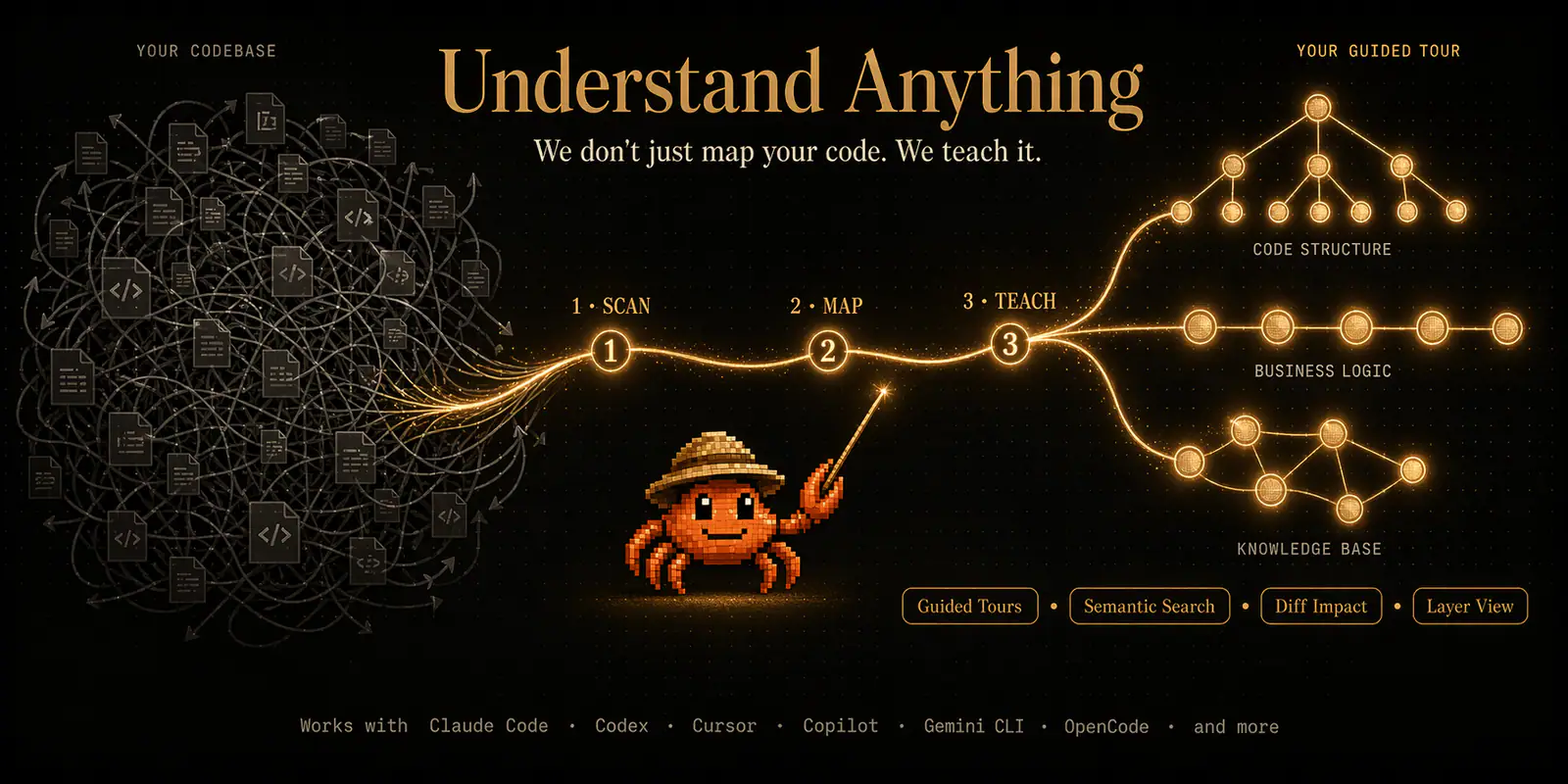
Map a wiki-style knowledge base with entities, implicit relationships and topic clusters.
Create and edit JSON Canvas files (.canvas) with nodes, edges, groups, and connections.
Study a topic through concept mapping, Feynman explanations, self-tests, associations, and a running Markdown notebook with Mermaid maps and optional Word notes.
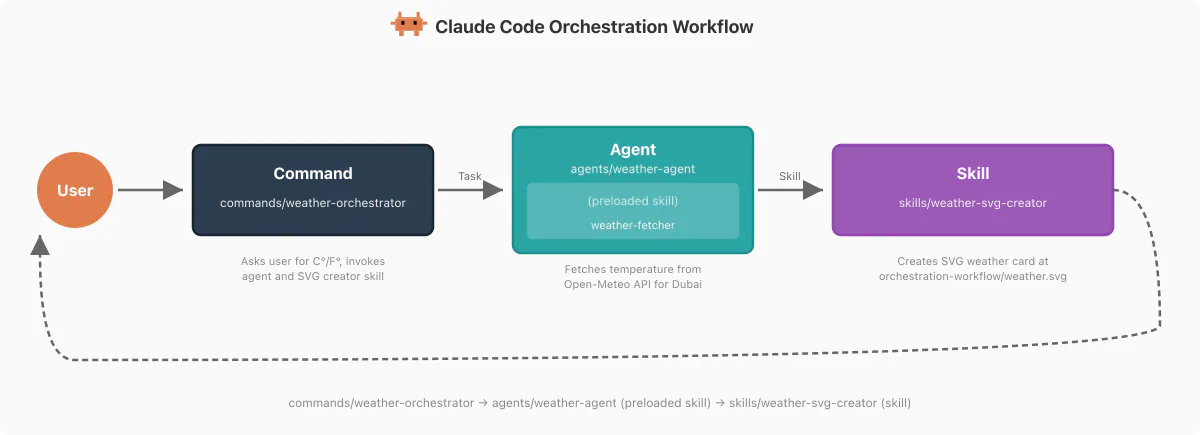
Report current Pakistan Standard Time using the example Skill’s timezone convention.
Design a knowledge video around a learning objective, evidence, script and storyboard before production.
Maintain personal character, prop and scene libraries with image replacement, metadata updates and refreshed galleries.
Check understanding through concrete examples, experiments, uncertainty and the distinction between naming and explaining.
Interact with Obsidian vaults using the Obsidian CLI to read, create, search, and manage notes, tasks, properties, and more. Also supports plugin and theme development with commands to reload plugins, run JavaScript, capture errors, take screenshots, and inspect the DOM.
Organize local drafts, posts, topics, cases, and course scripts into structured content assets and connected topic maps.
Find relevant Claude Academy learning resources when someone asks how to use Claude.
Solve a conic-section problem into an interactive lesson with exact calculations, a parameter slider, a 2D construction board, and step-by-step formulas.
Build a focused corpus from project observations, prime an AI session, and query that corpus conversationally.
Save the key state of the current diagnosis locally and inspect or configure its archive location.
Develop a narrated math walkthrough with a browser preview, styled board animations, subtitle timing, and optional MP4 export.
Register a named or text-defined visual style in the numbered library using a supplied or generated representative image.
Operate Resend through an agent-friendly CLI with JSON output, explicit arguments, environment-based authentication, and noninteractive error handling.
Four installable education workflows for interactive geometry, 3D chemistry, and narrated math explanations.
Capture command failures, corrections, missing capabilities, and better approaches as structured learnings that can improve future agent work.
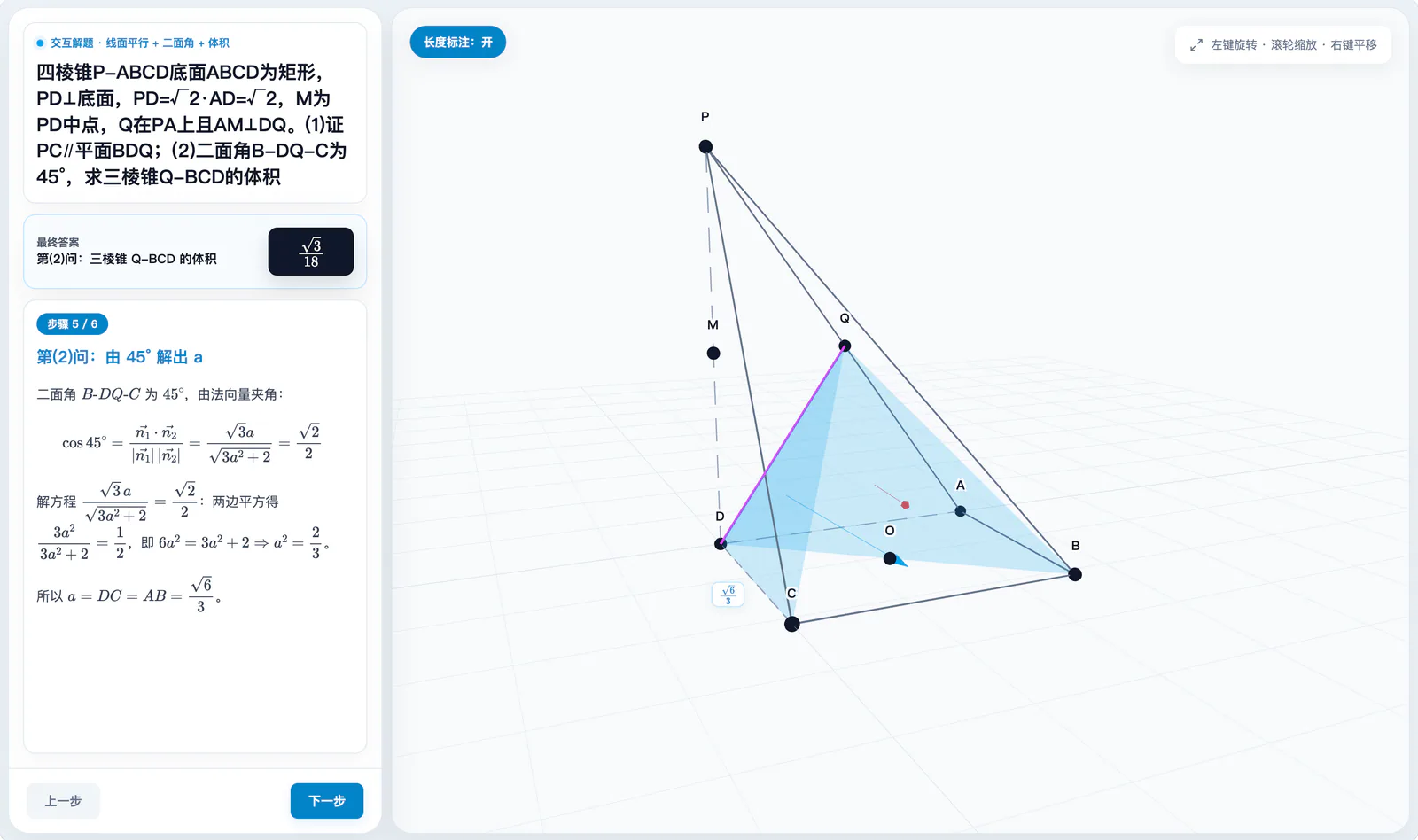
Solve a spatial geometry problem with an exact vector kernel and deliver an interactive 3D lesson with highlighted constructions and solution steps.
Find skills that help organize work, preserve useful information, and support learning.