Free
Documents
Nature Paper Card
Build a structured paper-reading card covering methods, evidence chains, limitations and testable research ideas.
53.3KStars2.8KForks
Repository last pushed
Yuan1z0825 and contributors
These skills help an agent capture information, connect related material, and retrieve it later. Members cover Obsidian vaults, research cards, code and business graphs, decision records, content libraries, and memory notes.
54 skillsBuild a structured paper-reading card covering methods, evidence chains, limitations and testable research ideas.
Distill a conversation or completed task into reusable lessons for later agent work.
Organize a local folder into a knowledge base with navigation, version checks, health reviews, and source-of-truth governance.
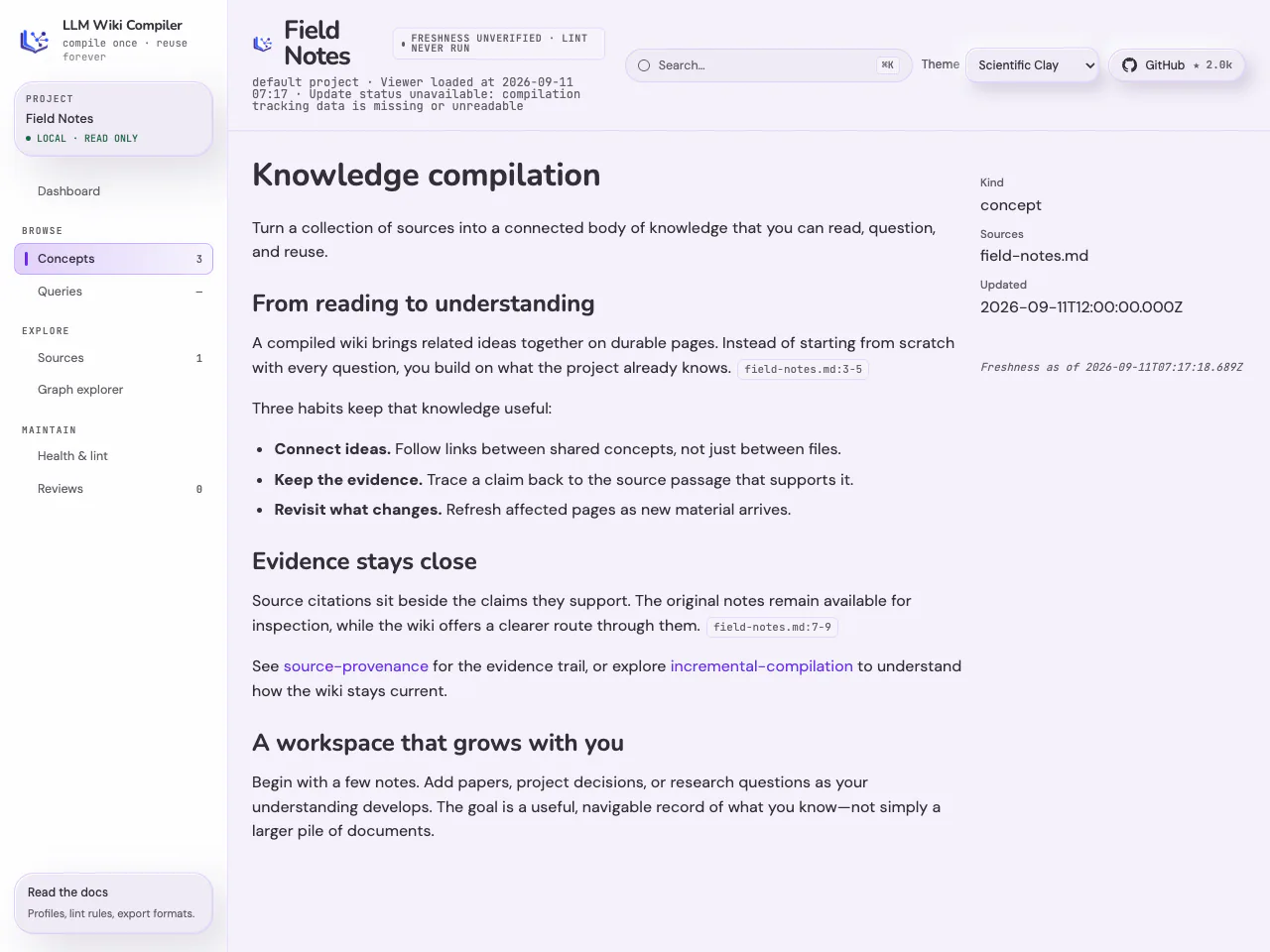
Compile documents, research papers, and notes into a persistent knowledge wiki with source citations and reusable context retrieval.
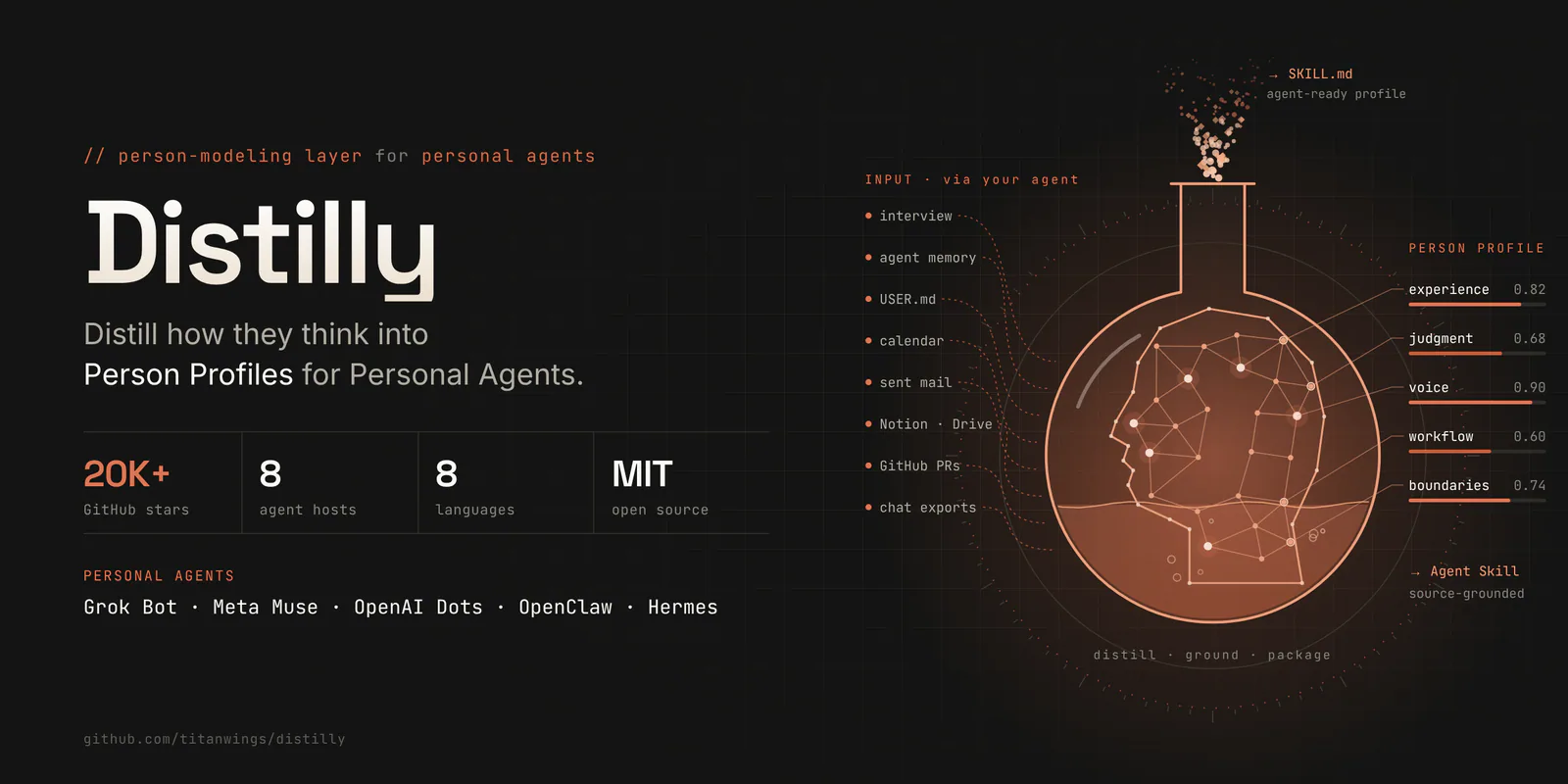
Turn owner, colleague, relationship or public-figure source material into reusable person profiles for personal agents.
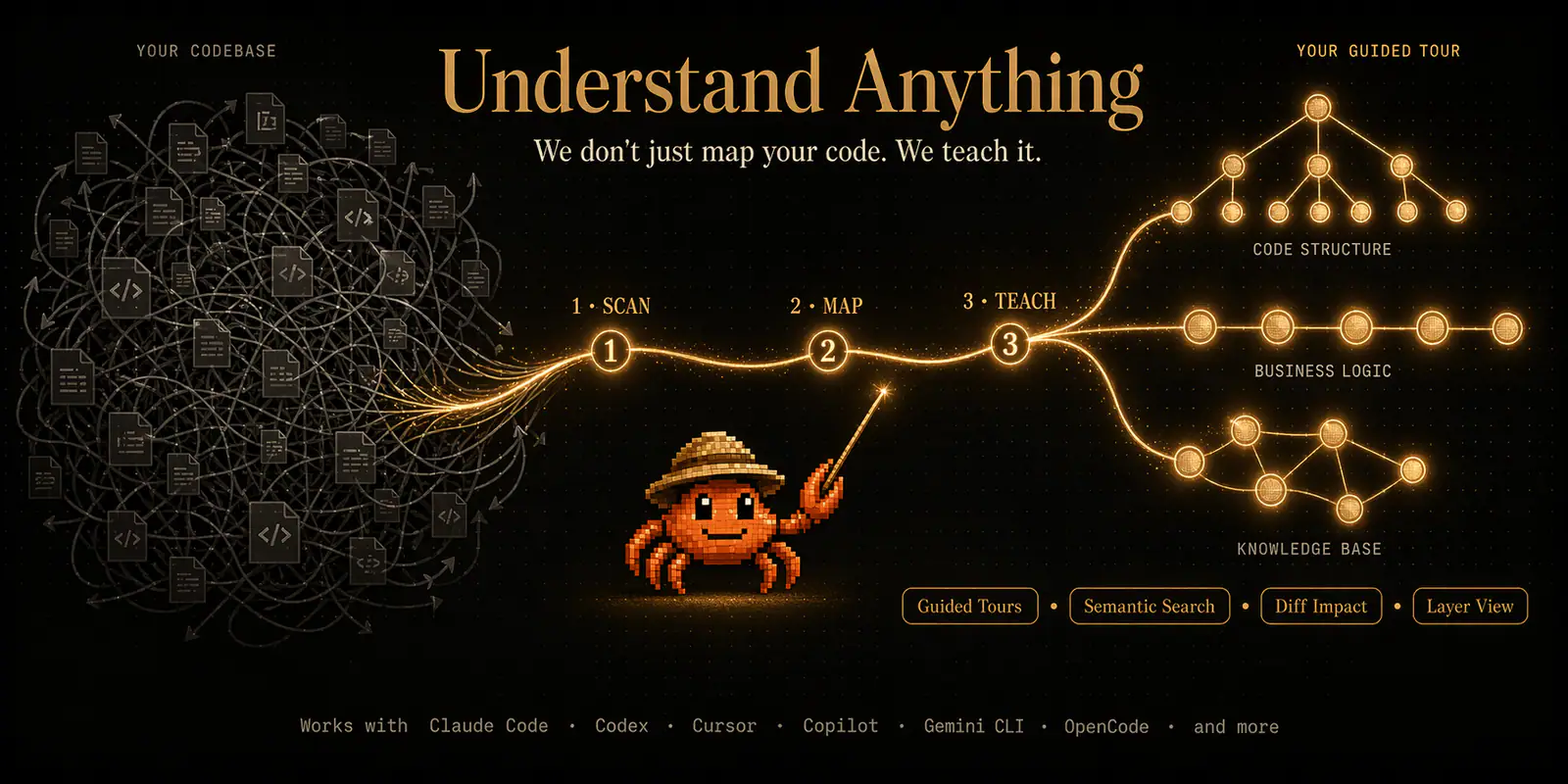
Answer project questions using the existing knowledge graph and relevant source files.
Build local records for decisions that need follow-up, including assumptions, outcomes, current state, and later review.
Turn experiment images, voice notes and text into structured Markdown logs with YAML metadata and optional Obsidian or Feishu integration.
Create and edit Obsidian Bases (.base files) with views, filters, formulas, and summaries.
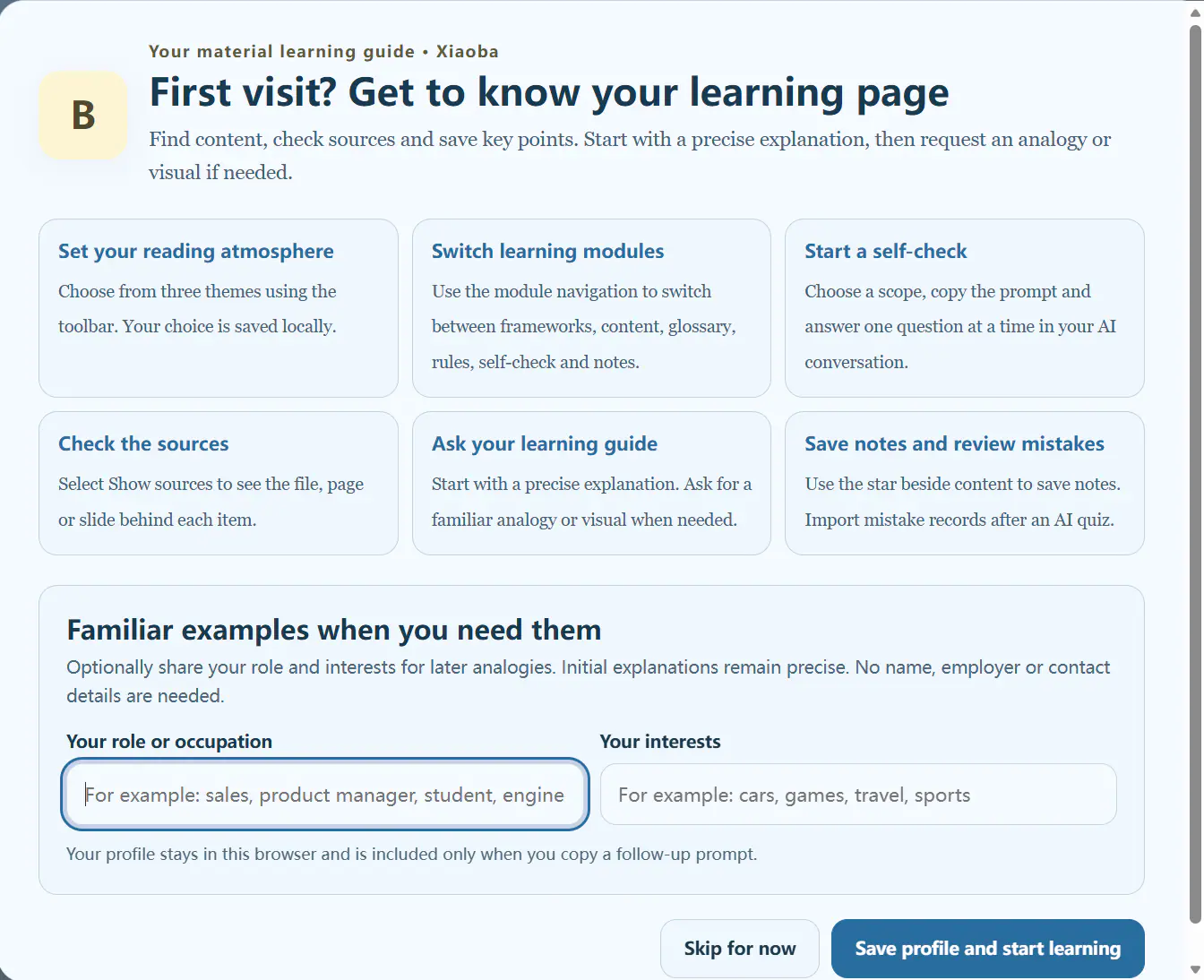
Turn books, papers, slides, and notes into source-grounded learning materials, interactive HTML study pages, and Markdown references.
Create and edit Obsidian Flavored Markdown with wikilinks, embeds, callouts, properties, and other Obsidian-specific syntax.
Restore the latest diagnosis saved with dbs-save to resume its findings and unfinished work.

Build and incrementally update the dependency graph used by code-review-graph.

Import visual references from an X/Twitter post into the numbered style library and refresh its galleries.
Record recurring task patterns and user corrections, then review them as evidence for improving reusable agent Skills.
Draft human-readable usage terms and a machine-readable manifest for personal materials.
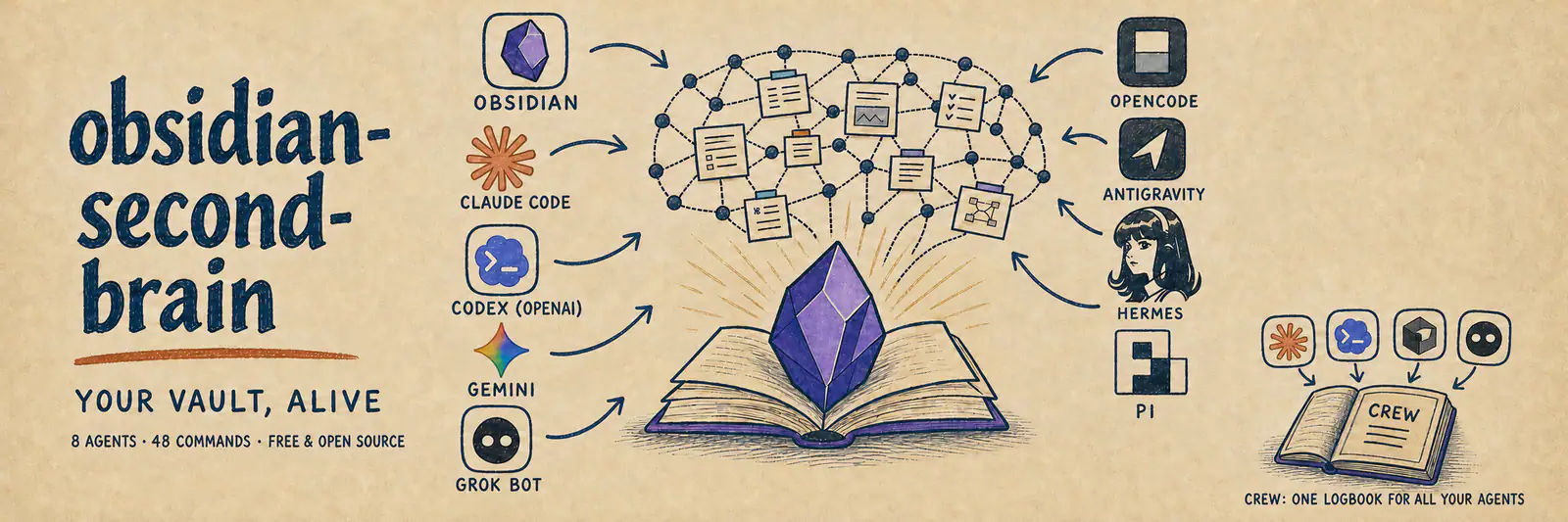
Organize an Obsidian vault into a connected knowledge system with source ingestion, linked notes, task tracking, and agent-assisted maintenance.
Research an unfamiliar subject and organize source material into a publishable reference.
Build or incrementally update a codebase knowledge graph with architecture and dependency relationships.
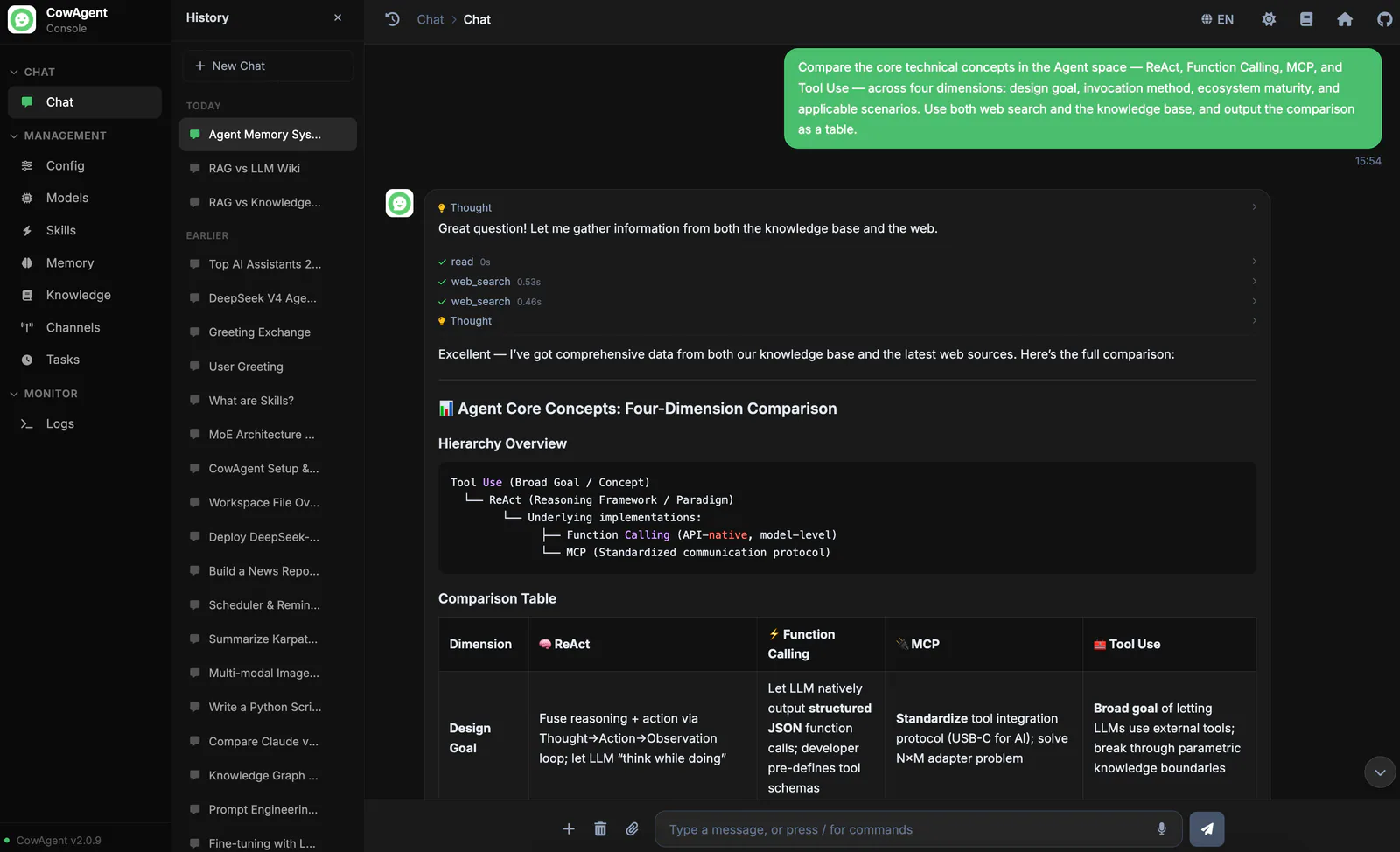
Organize articles, documents, and conversation findings in a linked personal knowledge wiki.
Turn authorized messages, documents and other records into a person-profile Skill organized by work, interaction, memories and values.
Extract business concepts and workflows into an interactive domain flow graph.
Prepare canary markers and optional protective measures for an authorized handover bundle.
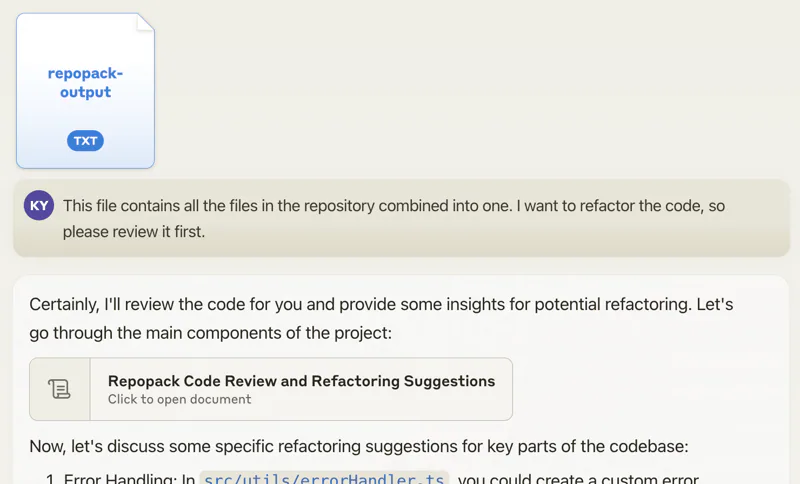
Maintain a shared local Markdown notebook for findings that should survive agent sessions.
Analyze a Figma file into a graph of screens, components, instances and design tokens.
Map a wiki-style knowledge base with entities, implicit relationships and topic clusters.
Identify repeated instructions in local coding sessions using a model-free report before deciding whether to create a profile.
Create and edit JSON Canvas files (.canvas) with nodes, edges, groups, and connections.
Study a topic through concept mapping, Feynman explanations, self-tests, associations, and a running Markdown notebook with Mermaid maps and optional Word notes.
Turn a video brief into a Claude Design prompt and composition, guided by an active personal video profile.
Maintain personal character, prop and scene libraries with image replacement, metadata updates and refreshed galleries.
Explore repository structure, symbols, and dependencies through the code review knowledge graph.
Interact with Obsidian vaults using the Obsidian CLI to read, create, search, and manage notes, tasks, properties, and more. Also supports plugin and theme development with commands to reload plugins, run JavaScript, capture errors, take screenshots, and inspect the DOM.
Organize local drafts, posts, topics, cases, and course scripts into structured content assets and connected topic maps.
Build a focused corpus from project observations, prime an AI session, and query that corpus conversationally.
Create a person-perspective Skill from supplied documents, chat logs, audio or video; includes preset persona prompts.
Save the key state of the current diagnosis locally and inspect or configure its archive location.
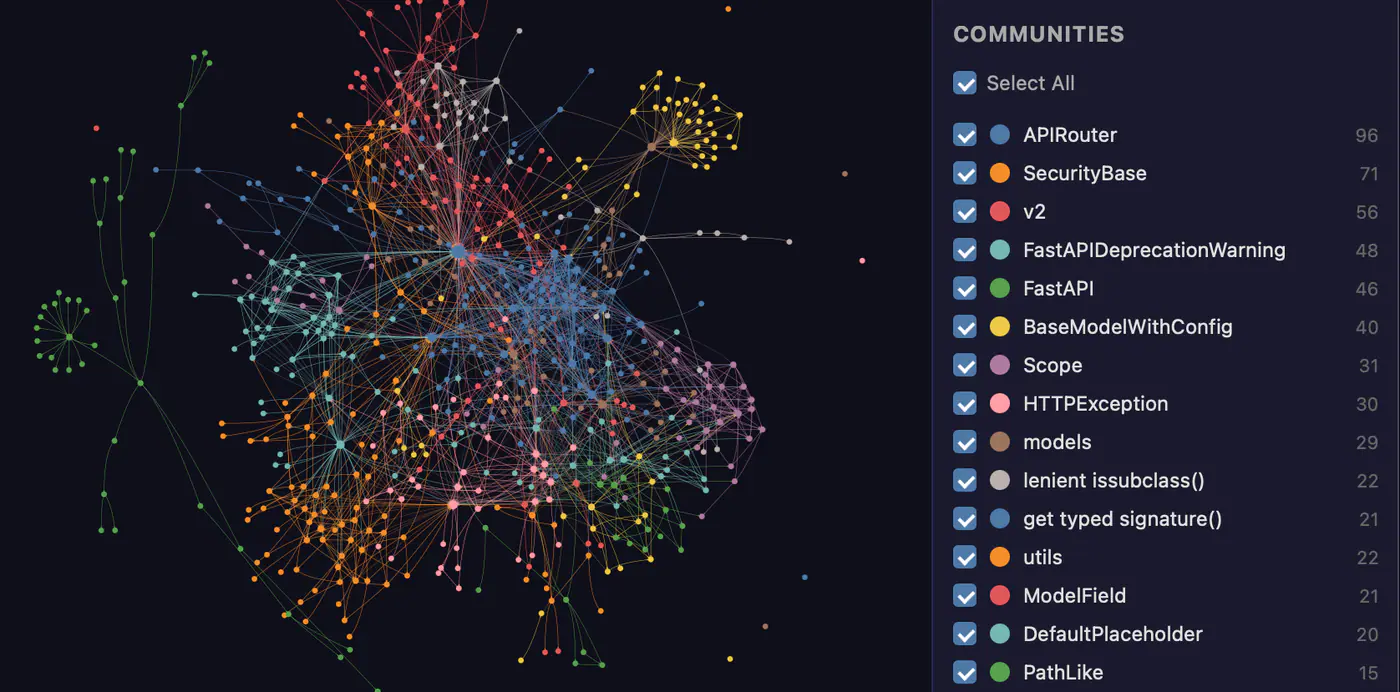
Turn code and documents into a persistent knowledge graph for architecture questions and exploration.
Search previous Claude Code, Codex and Cursor sessions and summarize attempts, decisions and investigation history.
Register a named or text-defined visual style in the numbered library using a supplied or generated representative image.
Capture command failures, corrections, missing capabilities, and better approaches as structured learnings that can improve future agent work.
Launch an interactive dashboard for exploring a project’s saved knowledge graph.
Send one source document to NotebookLM and start a kawaii narrative slide deck using notebooklm-py.

Convert books, document folders and related sources into structured Agent Skills, with chapter files, frameworks, a glossary and reusable reference notes.
Search an Obsidian vault with QMD semantic search and locate related notes or duplicates.
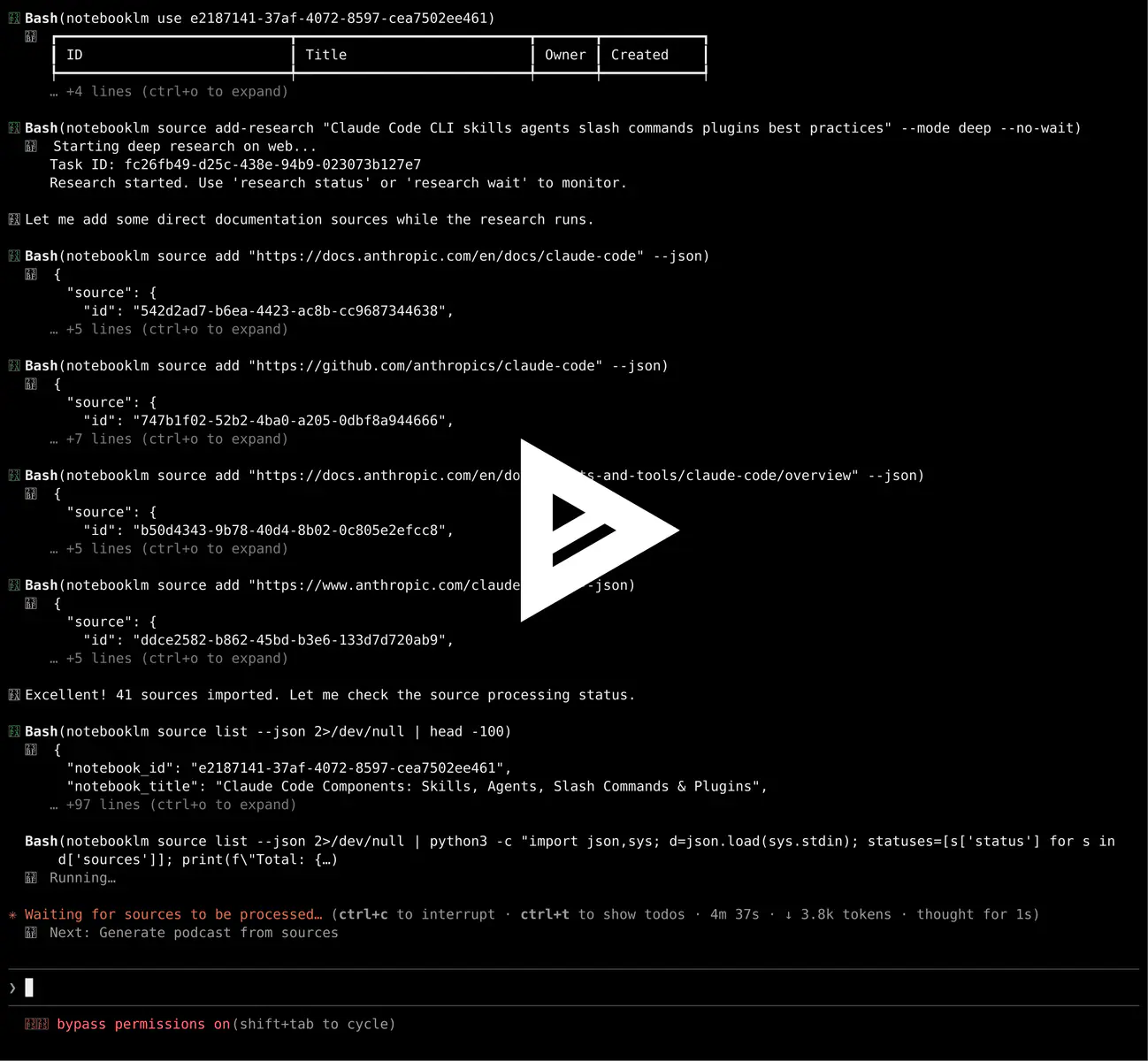
Operate NotebookLM notebooks, sources, grounded research, and generated artifacts through its Python API or CLI.
Create a personal profile from your own session messages with dated evidence, preflight estimates and explicit approval before mining.
Render Markdown from templates and structured data using Knap CLI.
Use a vault or notes skill for personal material, graph tools for relationships, and retrieval or library skills when the collection already spans many sources.