
Free
Product & business
Richard Feynman Perspective
Check understanding through concrete examples, experiments, uncertainty and the distinction between naming and explaining.
34.6KStars4.6KForks
Repository last pushed
Huashu (花叔 / alchaincyf)
Find workflows for framing questions, discovering sources, and making sense of research material.
77 skillsCheck understanding through concrete examples, experiments, uncertainty and the distinction between naming and explaining.
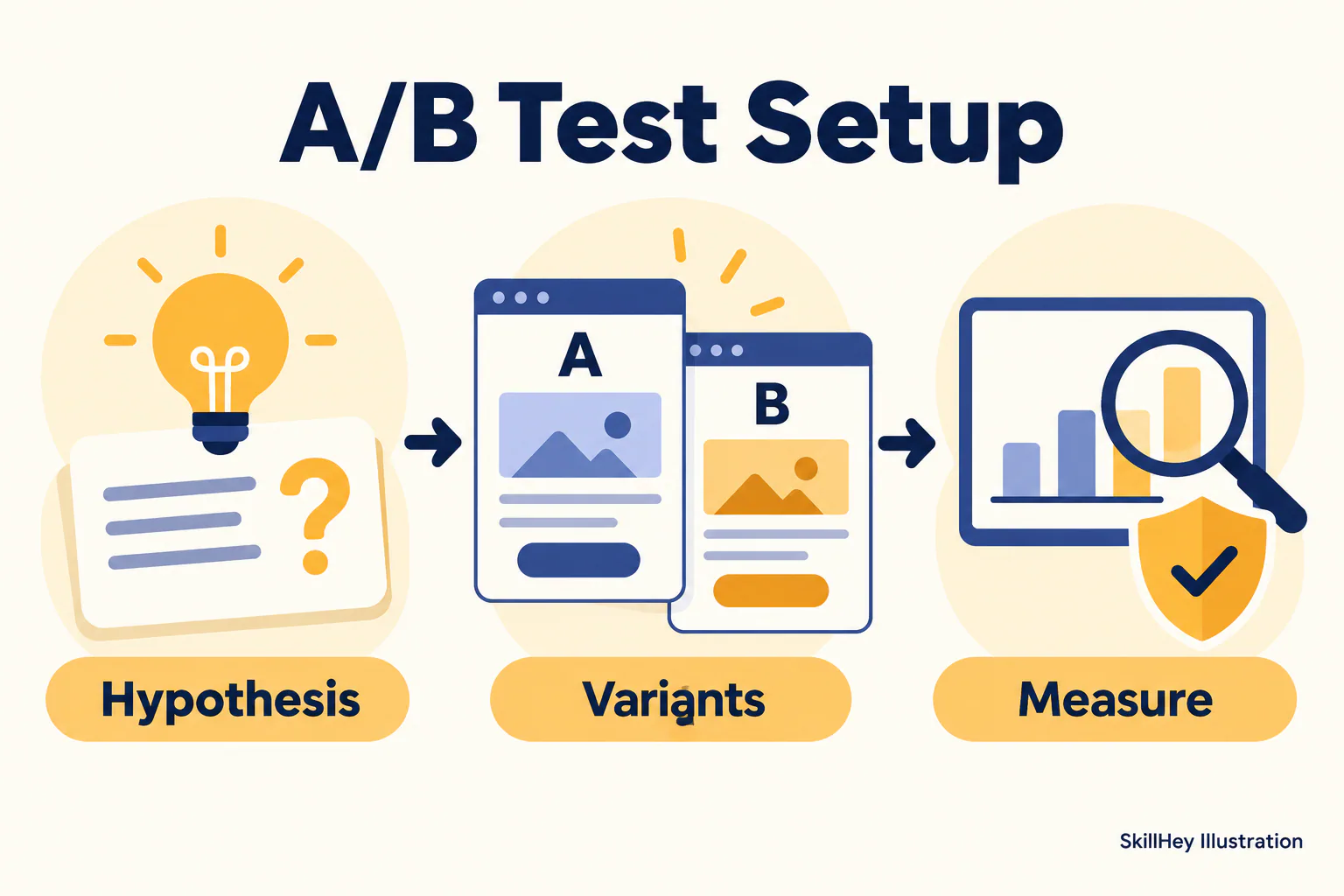
Research competitor websites and synthesize positioning, capabilities and market evidence.
Simulate a discussion involving Hayek, Mises, and Claude from an Austrian economics perspective.
Synthesize interviews, existing assets and online signals into customer themes and language.
Clarify vague business concepts and distinguish meanings using Wittgenstein and Austrian economics as analytical frameworks.
Research business context and develop a reviewed marketing plan across acquisition and retention.
Look up current AI news, product releases, and topic coverage through AIHOT.
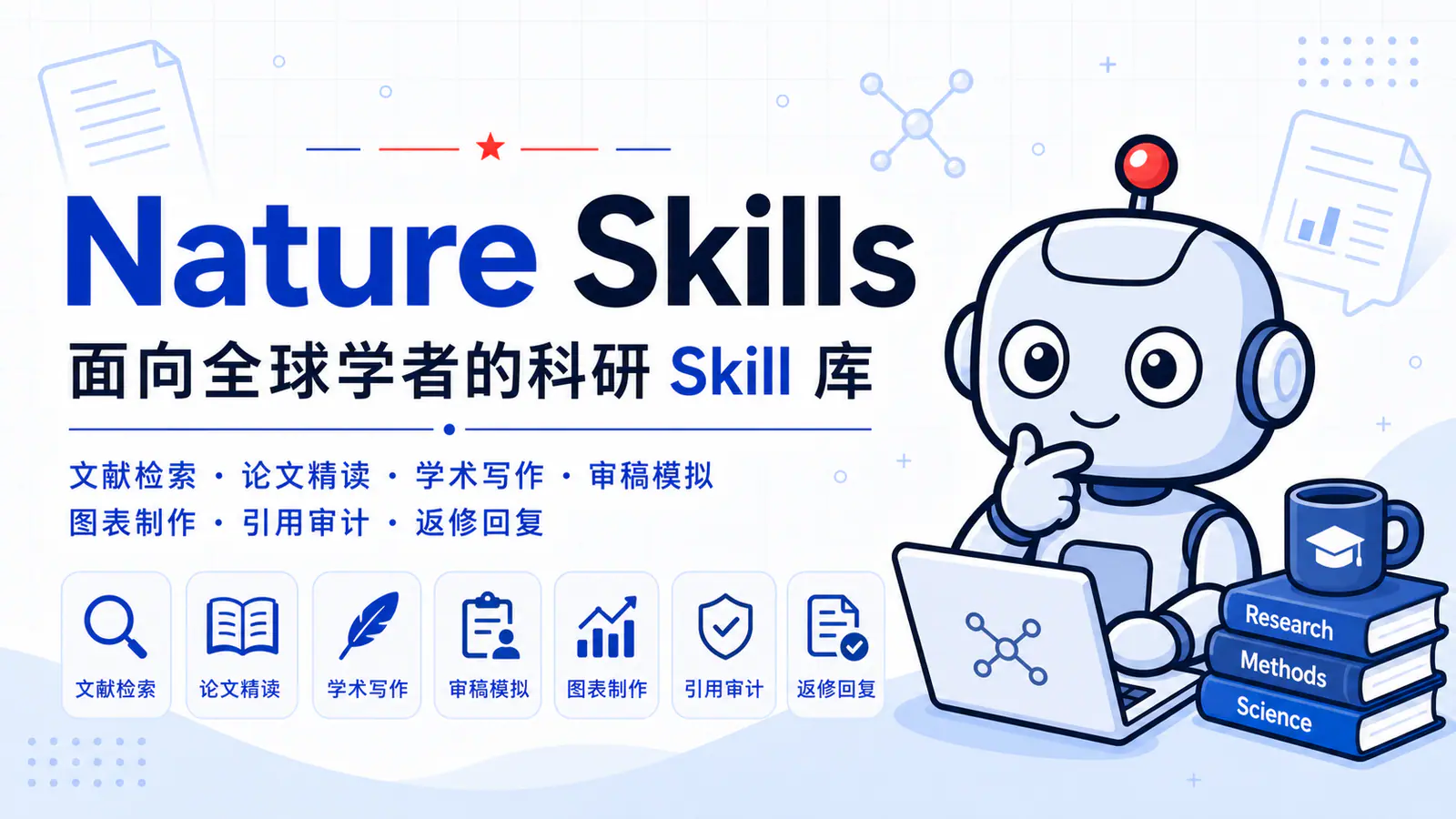
Audit statistical reporting across methods, results and figure legends, including replication, uncertainty and multiple comparisons.
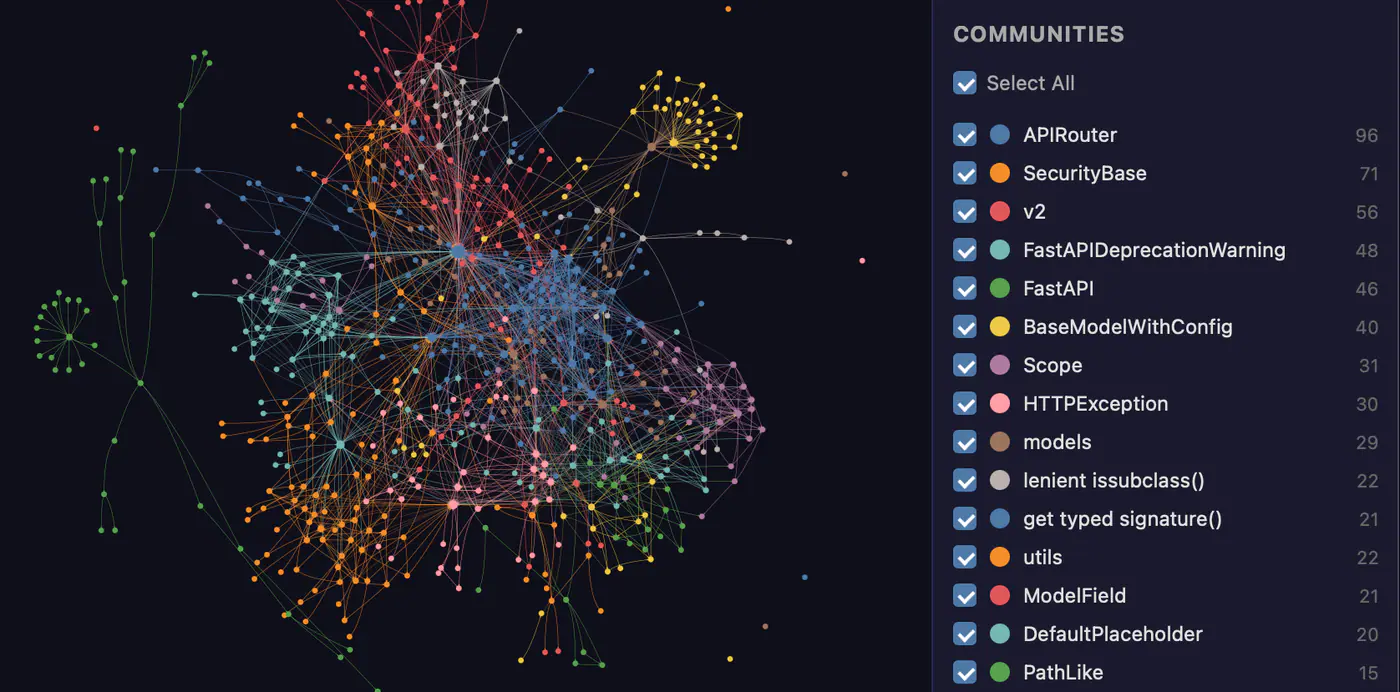
Turn code and documents into a persistent knowledge graph for architecture questions and exploration.
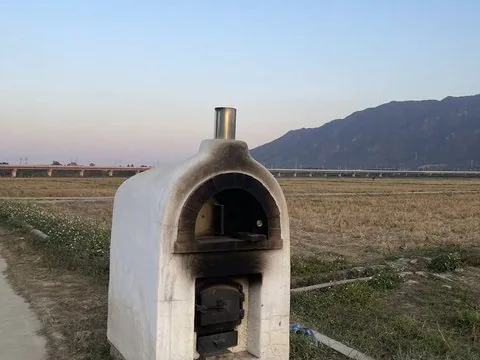
Investigate where a photograph was taken using metadata, OCR, terrain and skyline comparison, and an explicit evidence trail.
Add a few specific reflection questions after actionable answers to help examine facts and assumptions.
Plan, draft and revise academic papers, check citations, and prepare LaTeX, PDF or Word documents through Pandoc.
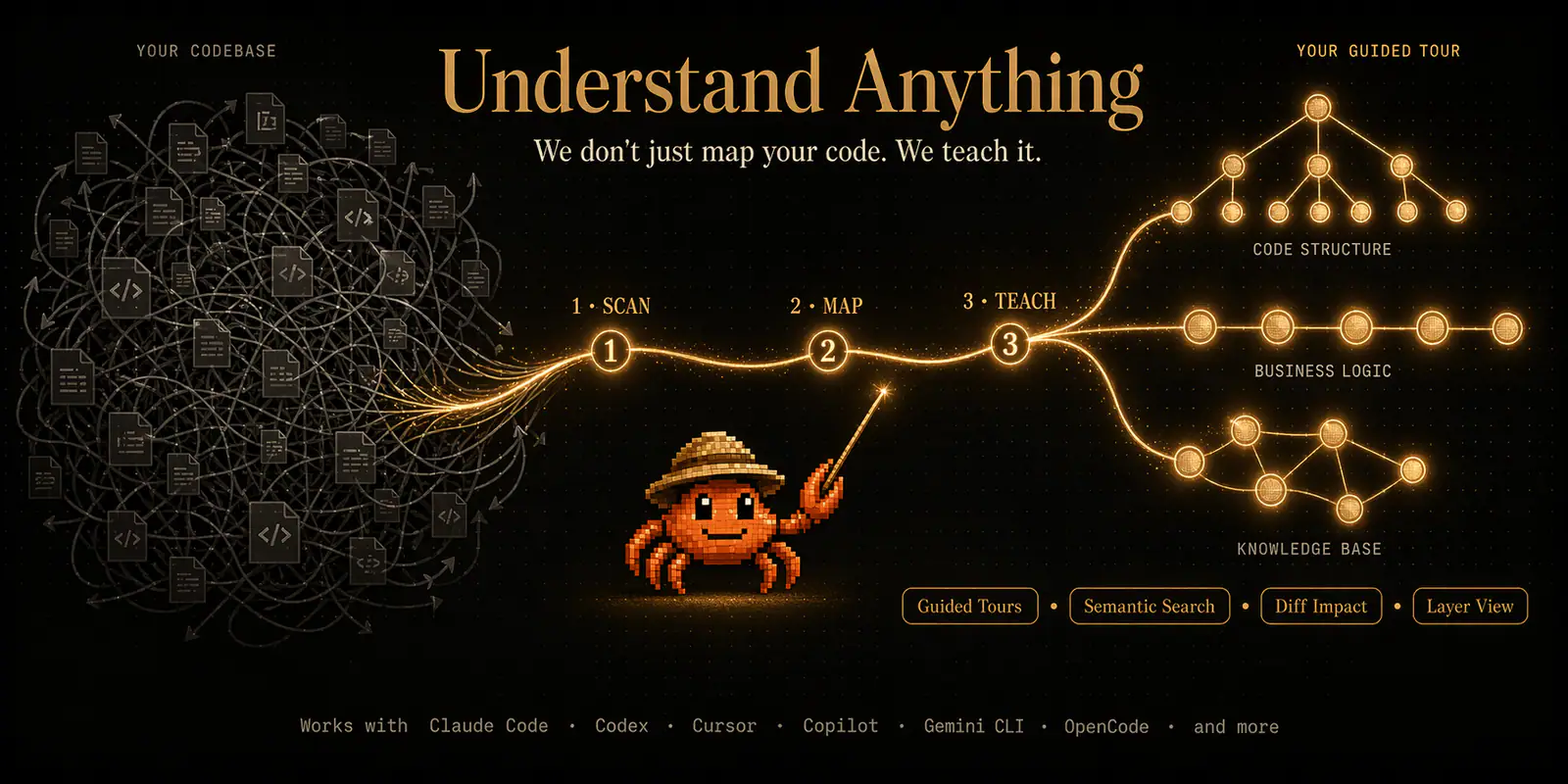
Launch an interactive dashboard for exploring a project’s saved knowledge graph.
Review decisions with a latticework of mental models, inversion, incentives, cognitive biases and a circle of competence.
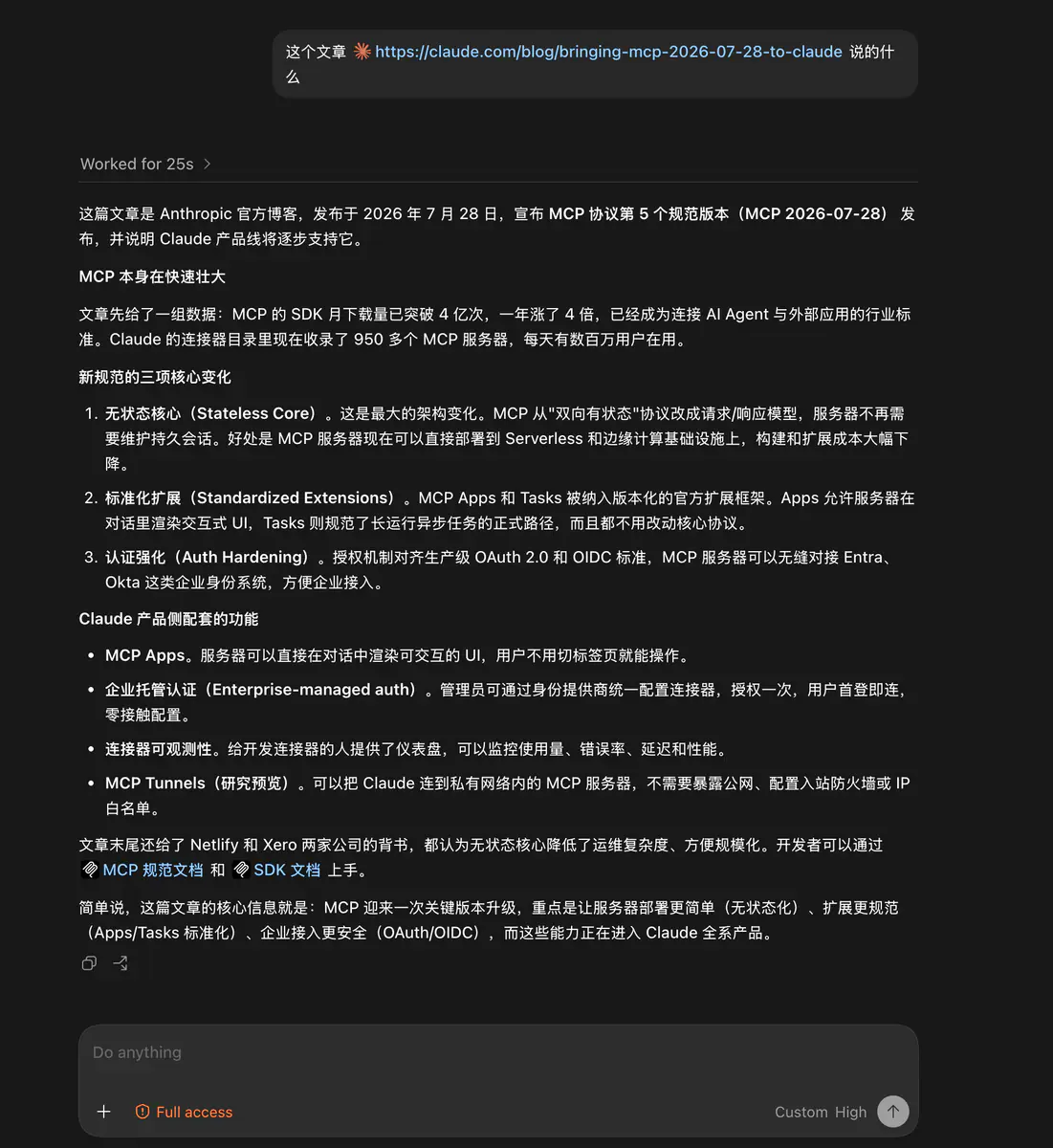
Add web search, X search, and page retrieval to agents through configurable search engines and a reusable command-line research workflow.
Examine AI research directions, generalization, scaling and the relationship between capabilities and safety.
Search literature across sources, manage references, verify citations and audit citation impact with explicit evidence.

Convert books, document folders and related sources into structured Agent Skills, with chapter files, frameworks, a glossary and reusable reference notes.
Research a subject across its history and current alternatives, then produce a PDF report.
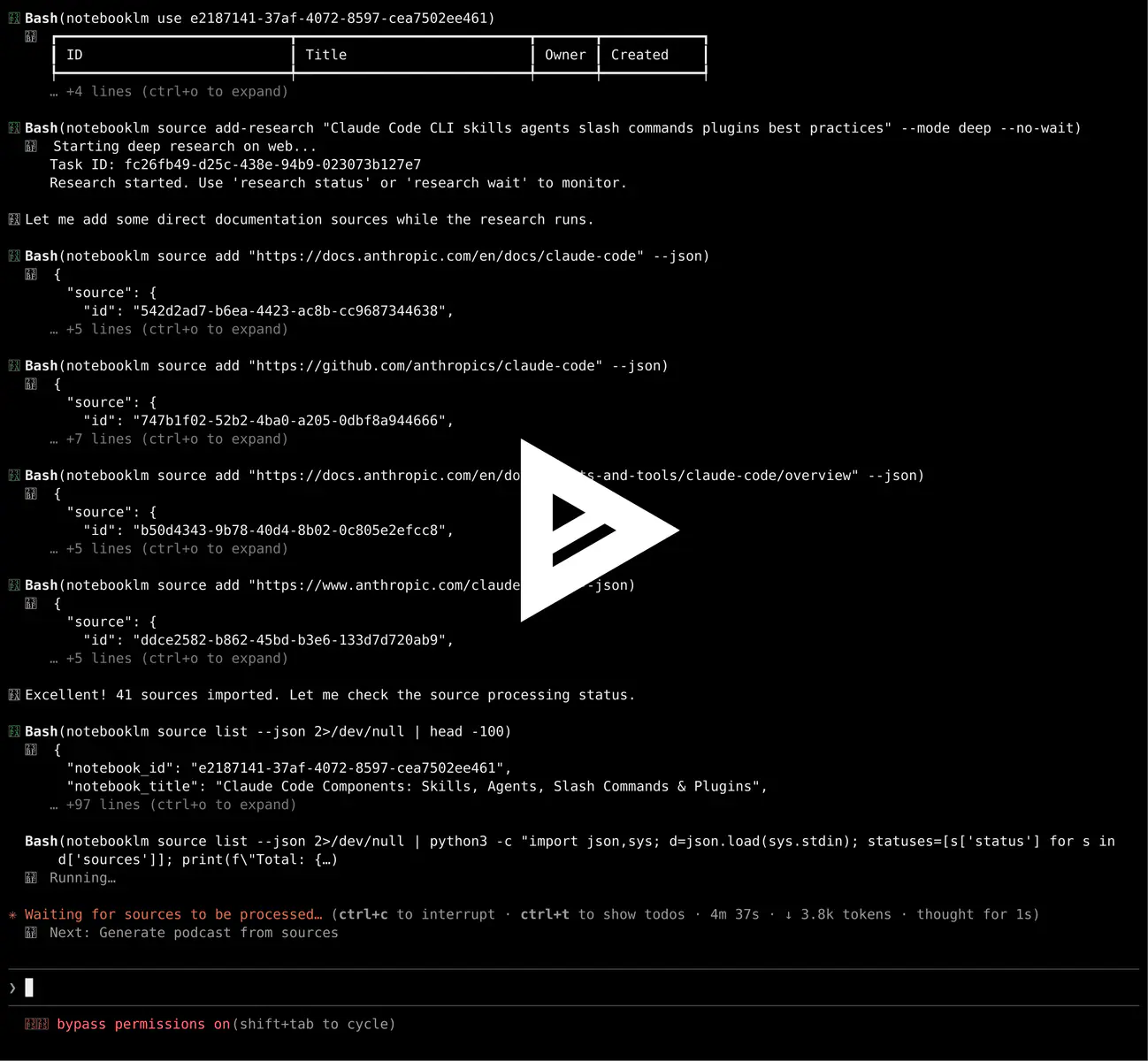
Operate NotebookLM notebooks, sources, grounded research, and generated artifacts through its Python API or CLI.
Automate literature discovery, configurable scoring, reading, delivery and local archival through a scheduled workflow.
Compare relevant theories with structurally similar historical successes, failures, and counterexamples to derive an answer with explicit conditions.
Examine engineering assumptions, costs and processes with first principles, physical limits and iterative simplification.
Extract clean Markdown from HTML pages with Defuddle CLI.
Route information searches to appropriate OpenCLI site commands.
Summarize or extract text/transcripts from URLs, podcasts, and local files (great fallback for “transcribe this YouTube/video”).
Inspect local or online videos through extracted frames and transcripts, with optional model-assisted video analysis.
Run Codex-oriented research, literature review, manuscript revision, study screening and experiment-planning workflows.
Retrieve local knowledge through layered indexes and progressive, file-aware reading.
Choose research skills for question framing, literature search, paper analysis, citation checks and study screening, with clear scope and traceable evidence.
Find workflows for framing questions, discovering sources, and making sense of research material.