Figures for Papers
Create publication-style Matplotlib charts with an AI agent, using scientific plotting conventions, reference scripts and print or vector export guidance.
Find workflows for framing questions, discovering sources, and making sense of research material.
77 skillsCreate publication-style Matplotlib charts with an AI agent, using scientific plotting conventions, reference scripts and print or vector export guidance.
Build a structured paper-reading card covering methods, evidence chains, limitations and testable research ideas.
Review manuscripts through distinct journal-fit, methodology, domain and counterargument perspectives, with a structured revision roadmap.
Identify a company or person and enrich a CRM record or existing CSV with sourced facts.
Create publication-style Matplotlib charts with an AI agent, using scientific plotting conventions, reference scripts and print or vector export guidance.
Build a structured paper-reading card covering methods, evidence chains, limitations and testable research ideas.
Simulate evidence-grounded peer review with independent reviewer reports and prioritized major and minor concerns.
Frame social-science research questions, literature maps, evidence routes and defensible claims, then review novelty and feasibility.
Review manuscripts through distinct journal-fit, methodology, domain and counterargument perspectives, with a structured revision roadmap.
Identify a company or person and enrich a CRM record or existing CSV with sourced facts.
Summarize local WeChat group conversations into a structured digest with optional ongoing context.
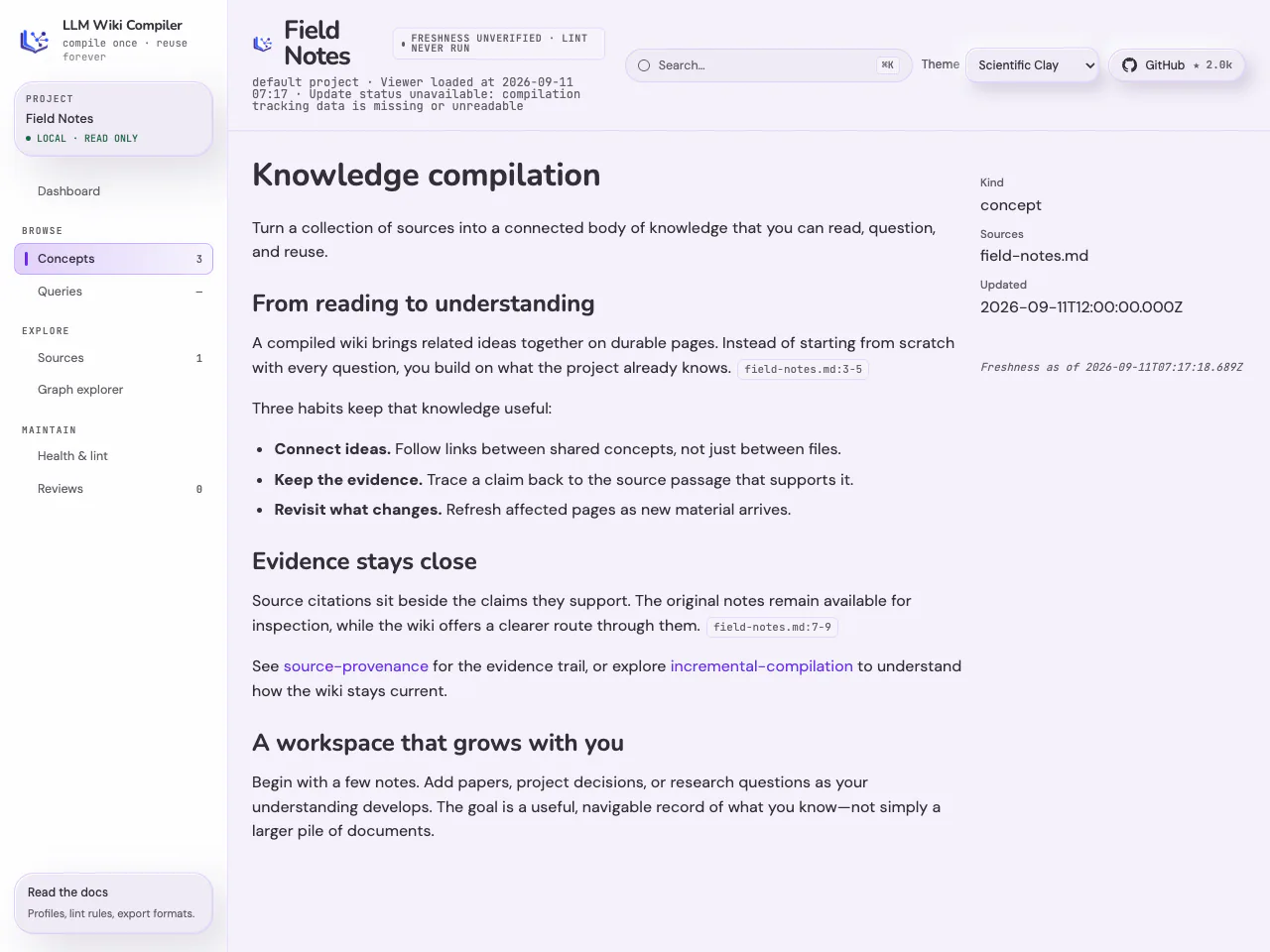
Compile documents, research papers, and notes into a persistent knowledge wiki with source citations and reusable context retrieval.
Rewrite a vague question into a brief an agent can reason about, critique, and verify, and assess how much of it can be automated.
Work through research, design documents and implementation in user-selected phases.
Answer project questions using the existing knowledge graph and relevant source files.
Find and deduplicate a bounded, sourced table of matching people or organizations.
Compare videos with their channels’ own median performance and identify repeatable patterns.
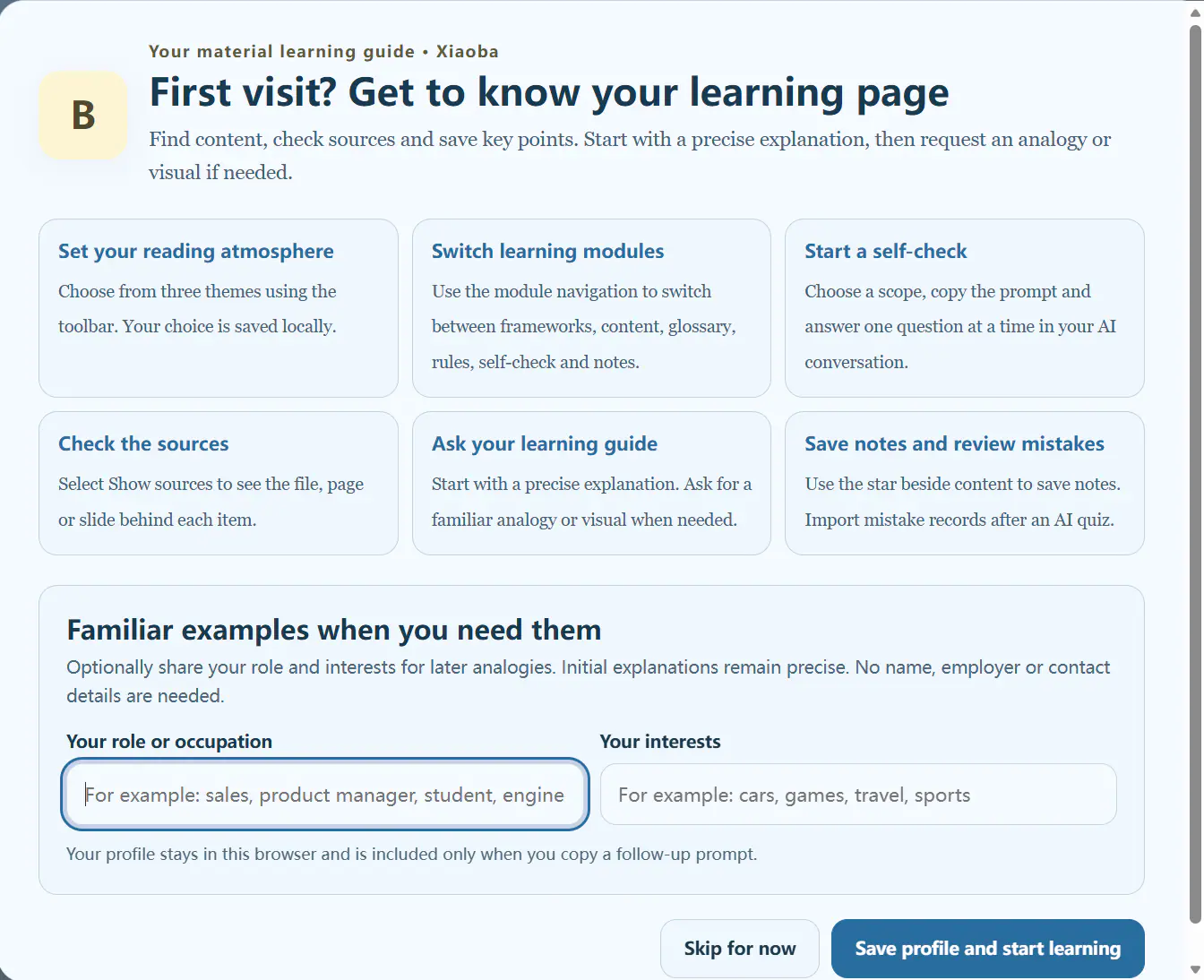
Turn books, papers, slides, and notes into source-grounded learning materials, interactive HTML study pages, and Markdown references.
Research recent discussions across Reddit, X, YouTube, Hacker News, GitHub and other sources.
Give coding agents a routed toolkit for web search, page reading, social content and video transcripts.
Form research questions, search and verify literature, synthesize evidence, and produce a referenced research report.
Build and incrementally update the dependency graph used by code-review-graph.
Recommend or use named experts to simulate a multi-role discussion on a topic and summarize their disagreements.
Screen study titles, abstracts and full texts against confirmed eligibility criteria, with adjudication, PRISMA counts and an Excel log.
Read, search, summarize, and triage your Papr RSS subscriptions from an agent using the papr command-line tool.
Review education and career choices by working backward from employment, comparing constraints and checking current data.
Research an unfamiliar subject and organize source material into a publishable reference.
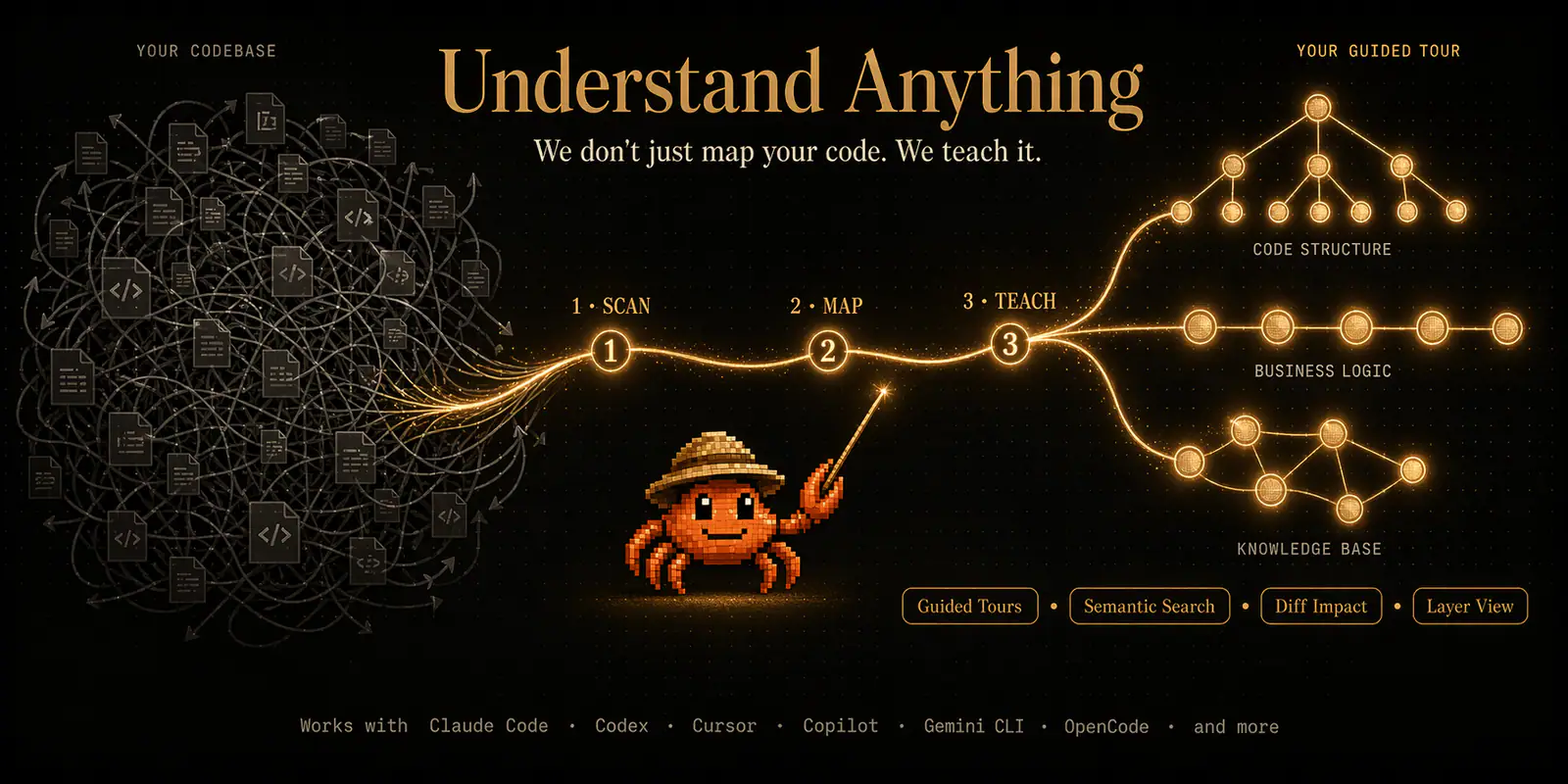
Build or incrementally update a codebase knowledge graph with architecture and dependency relationships.
Cross-check reference authors, titles, years, volumes and pages across sources, and report bibliographic inconsistencies.
Reconstruct a paper’s reasoning, experimental design and evidence limits, with worked examples for key formulas.
Draft Chinese invention patent and technical disclosure materials from research evidence, including claims and prior-art comparisons.
Prepare Data and Code Availability statements, repository plans, dataset citations and FAIR metadata checks.
Develop or audit research proposals and plans through evidence, argument and section contracts before drafting.
Prepare point-by-point reviewer responses, revision cover letters, marked manuscripts and consistent revision packages.
Create source-linked Chinese-English Markdown paper readers with aligned text, figures, tables and equations.
Turn scientific papers or reading notes into Chinese PPTX research presentations with source figures and speaker notes.
Extract business concepts and workflows into an interactive domain flow graph.
Examine a claim before matching it to a credible theory, then reinterpret the case and state where the explanation applies and where it fails.
Retrieve academic full text through open-access, publisher API and authorized institutional or browser access.
Research, manuscript writing, peer review and protocol-driven study screening.
Coordinate literature research, manuscript drafting, integrity checks, peer review and iterative revision in one staged workflow.
Draft manuscript sections and initial-submission materials from supplied evidence, or restructure a scientific argument.
Analyze a Figma file into a graph of screens, components, instances and design tokens.
Map a wiki-style knowledge base with entities, implicit relationships and topic clusters.
Retrieve Hacker News stories, linked articles and comment threads through official APIs and summarize them.
Combine multiple dbs-save archives into a shareable Markdown report of diagnoses and conclusions.
Define an ideal customer profile, discover candidates and qualify a prioritized prospect list.
Find Nature and CNS-family papers that support specific manuscript claims, verify sources and export reference-manager files.
Research a complex question across multiple sources and produce a cited report.
Examine uncertainty through asymmetric risks, antifragility, skin in the game, subtraction and domain boundaries.
Create faceless business and consumer investigation videos with research records, narration, real footage, Remotion editing, subtitles, covers and platform copy.
Explore repository structure, symbols, and dependencies through the code review knowledge graph.
Choose research skills for question framing, literature search, paper analysis, citation checks and study screening, with clear scope and traceable evidence.
Find workflows for framing questions, discovering sources, and making sense of research material.