Free
Product & business
Pricing Strategy
Explore value metrics, packaging and willingness-to-pay research to guide pricing decisions.
59.9KStars8.7KForks
Repository last pushed
Corey Haines
These skills help an agent understand a market, its customers and its competitors. They include competitor profiling, ICP generation, customer research and jobs-to-be-done analysis.
19 skillsExplore value metrics, packaging and willingness-to-pay research to guide pricing decisions.
Research market size, competitors, customer segments and pricing.

Use Jobs to Be Done to identify desired progress, switching forces, alternatives, and selection criteria in a specific customer situation.
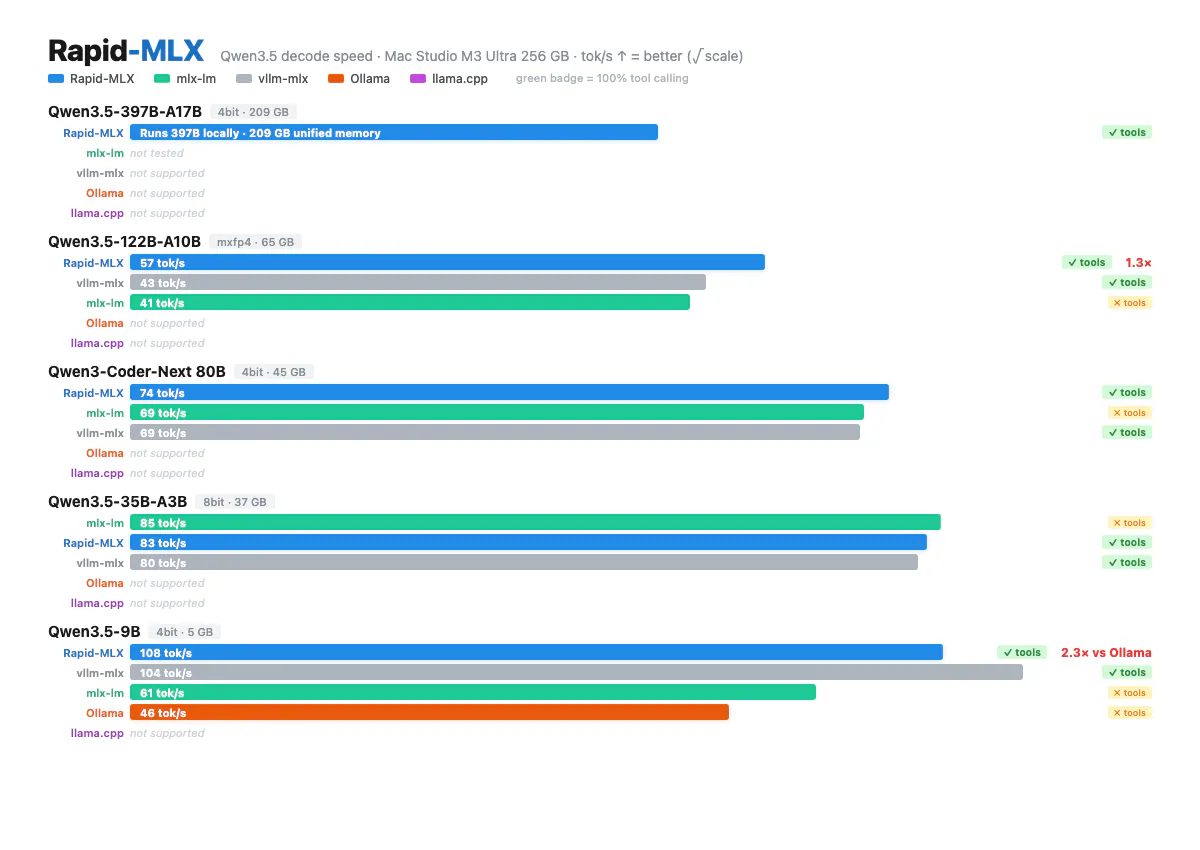
Investigate Rapid MLX performance, prototype changes, benchmark results, and prepare reviewed improvements.
Build evidence-based comparison and alternative pages for buyers and organic discovery.
Apply behavioral models to messaging and decisions while testing assumptions against evidence.
Draft B2B ideal customer profiles, buyer personas and fit scoring from company research.
Explain how existing content produces resonance, emotion, or sharing, and identify useful positions, audience motives, and discussion directions.
Assess who a piece of content could attract, whether its opening gives viewers a reason to stay, and the potential audience and commercial value.

Display Ponytail’s recorded benchmark results for code size, cost and execution speed.
Apply practical large-model training and operations guidance, and evaluate GPU cluster performance and readiness.
Evaluates an ML GPU cluster for a cloud trial or acceptance test: environment dump, isolated newest PyTorch, matmul FLOPS (MAMF/MSMF) on every GPU while the others compute, intra-node all-reduce bandwidth and per-call latency of every collective, the same inter-node on every node you were given (omit those sections if there is only one node), fio on local disk and shared FS, dated markdown report.
Define an ideal customer profile, discover candidates and qualify a prioritized prospect list.
Research competitor websites and synthesize positioning, capabilities and market evidence.
Synthesize interviews, existing assets and online signals into customer themes and language.
Research business context and develop a reviewed marketing plan across acquisition and retention.
Review app store listings, metadata, visual assets and competitor positioning.
Create a shared product, audience and positioning document that other marketing Skills can reuse.
Use a five-stage filter to find useful businesses or products to learn from while accounting for differences between their circumstances and yours.
Choose research skills for question framing, literature search, paper analysis, citation checks and study screening, with clear scope and traceable evidence.
Use competitor skills to map alternatives, customer and JTBD skills to understand buyers, and pricing skills once you know the market.