Quickly deslop UI code by fixing spacing, hierarchy, typography, and small layout issues. Use when the interface needs a fast cleanup or polish pass.
11.1KStars529Forks
Repository last pushed
These skills help an agent design, critique and improve user interfaces. They cover generating layout alternatives, reviewing a screen against design rules, and fixing accessibility problems found in an audit.
73 skillsQuickly deslop UI code by fixing spacing, hierarchy, typography, and small layout issues. Use when the interface needs a fast cleanup or polish pass.
Prevent and remove generic AI-generated design defaults, incoherent visual choices, and established UI defects while creating, revising, or reviewing websites, apps, screenshots, mockups, and design code. Use as a passive quality gate during UI work or for an explicit anti-slop cleanup; preserve the chosen art direction instead of forcing a neutral redesign.

Build HUDs and menus with responsive anchors, safe areas, focus navigation, screen state, and event-driven updates.
Review a screen or flow across accessibility, layout, copy, typography, color and UI polish.
Build multiple component variants in the real page and compare their tradeoffs.
Audit and fix visual hierarchy, spacing, color, and depth in web UIs. Use when the user mentions "my UI looks off" (or amateur/unprofessional), "fix the design", "Tailwind styling", "color palette", "visual hierarchy", "design system", "spacing scale", or "component styling". Also trigger when building consistent design tokens, creating dark mode themes, improving data-visualization clarity, or polishing UI details before launch. Covers grayscale-first workflow, constrained design scales, shadows, and component styling. For typeface selection, see web-typography. For usability audits, see ux-heuristics.
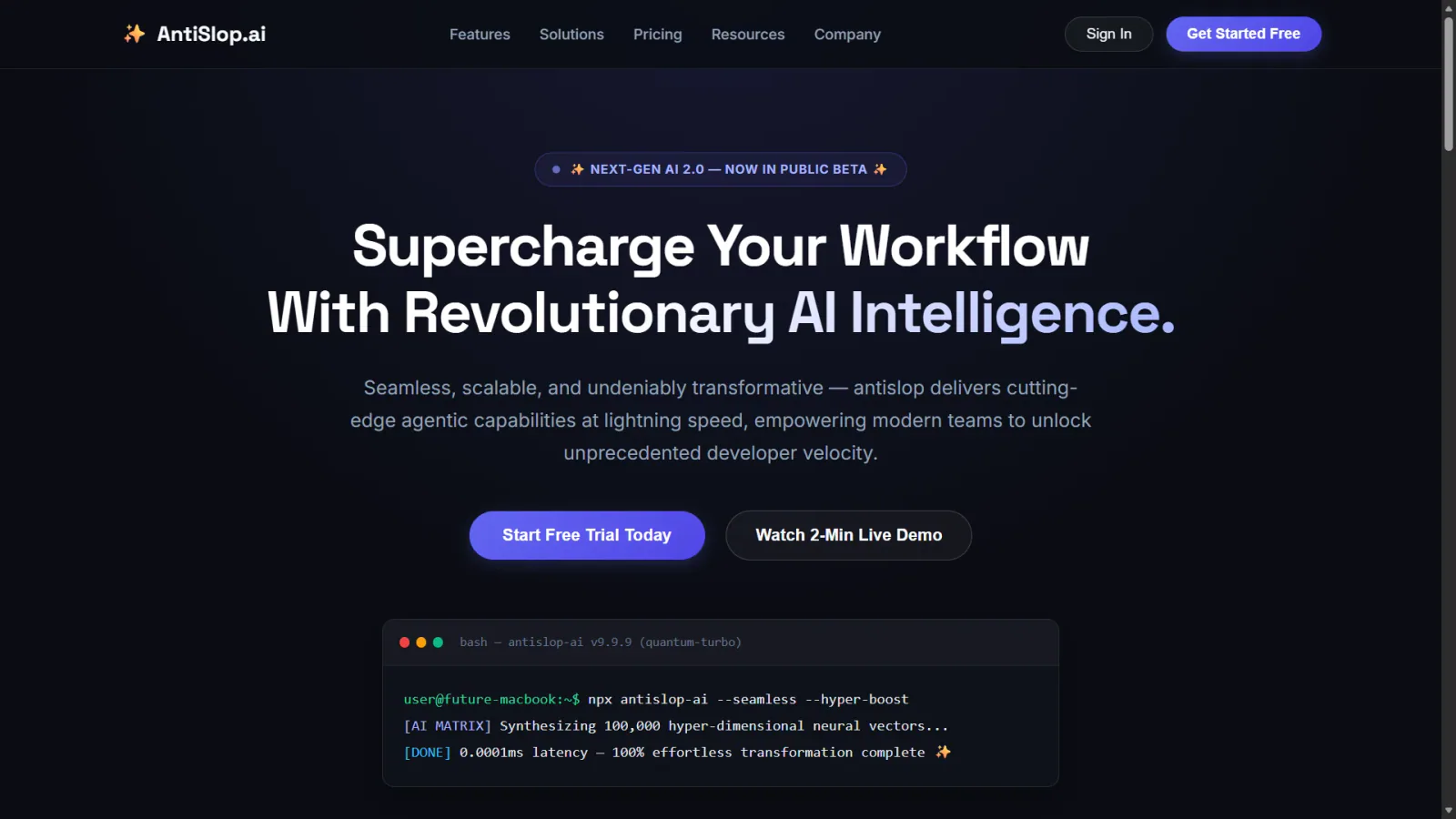
Human and accessibility skill for antislop. Contrast, keyboard, focus, and states for real people. Includes the contrast checker.
Survey a codebase's animation and motion code as a senior motion advisor, then produce a prioritized audit and self-contained implementation plans for other agents (or cheaper models) to execute. Read-only on source code — it plans improvements, it does not apply them. Use when the user asks to "improve the animations", "audit the motion", "make this app feel better", or wants a roadmap of animation fixes rather than a review of a single diff.
Structure a design critique around context, questions, observations, impact and actionable feedback.
Build multiple genuinely different versions of a UI piece you describe, rendered behind a visual picker so you can flip through them live and promote the one that feels right. Only runs when explicitly invoked; it does not trigger on its own.
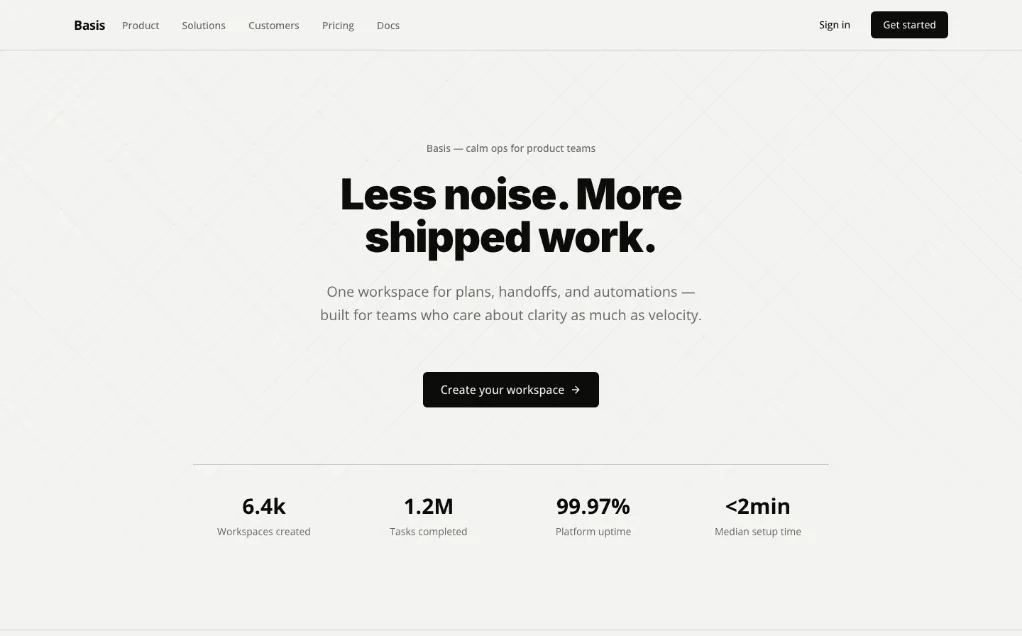
A unified design Skill library with selectable visual templates, reusable UI tokens, component rules and implementation checks for AI coding assistants.
Audit a design against Dieter Rams’ ten principles, score cited evidence, and hand off a concrete design improvement plan.
Apply accessibility worklists through a baseline, scoped source changes and verification loop, while deferring contextual judgments.
Review a design document for clarity, design risks and implementation readiness.
Locate mechanically detectable accessibility issues on one rendered page, with DOM selectors, evidence and source locations when available.
Apple's approach to interface design and fluid, physical motion, translated for the web. Use when building or reviewing gesture-driven UI, spring animations, drag/swipe/sheet interactions, momentum and interruptible transitions, translucent materials and depth, typography (optical sizing, tracking, leading), reduced-motion, or the design foundations (feedback, spatial consistency, restraint) behind Apple-style interfaces.
Buttons, inputs, badges and pills share radius, colour logic, shadow, border and spacing. Use when building or reviewing a component library.
Plan a sampled site accessibility assessment, combine automated and interaction checks, and report pass, fail or undetermined per criterion.
Turn vague UI feedback into focused changes using practical heuristics for spacing, typography, color, hierarchy, icons and interaction.
Assess an AI-assisted product design role with a competency rubric covering problem framing, prototyping, research and design handoff.
Structured UI design review — existing code (React/JSX, CSS, Tailwind) and, when behaviour matters, the running app in a real browser — reported as a prioritised Before / After / Why table. Covers visual hierarchy, spacing, typography, colour & contrast, component states, motion, responsiveness, accessibility, multi-page flow & navigation, and interaction continuity — grounded in Refactoring UI and Emil Kowalski's principles. For animation/jank/FPS, focus order, and cross-page UX it can drive Chrome via chrome-devtools-mcp to capture what a screenshot can't. Trigger when the user asks to "review this UI", "design review", "critique this component/screen/page or multi-page flow", asks why something "looks off", "looks AI-generated", or "looks like a wireframe", or wants to raise visual polish. For building UI from scratch use web-taste; for the full animation set see emilkowal-animations.
Design mobile app screens with Sleek and implement selected designs in React Native or HTML.
Design and refine dashboards, SaaS apps and admin interfaces with deliberate hierarchy, shared tokens, complete states and reusable design memory.
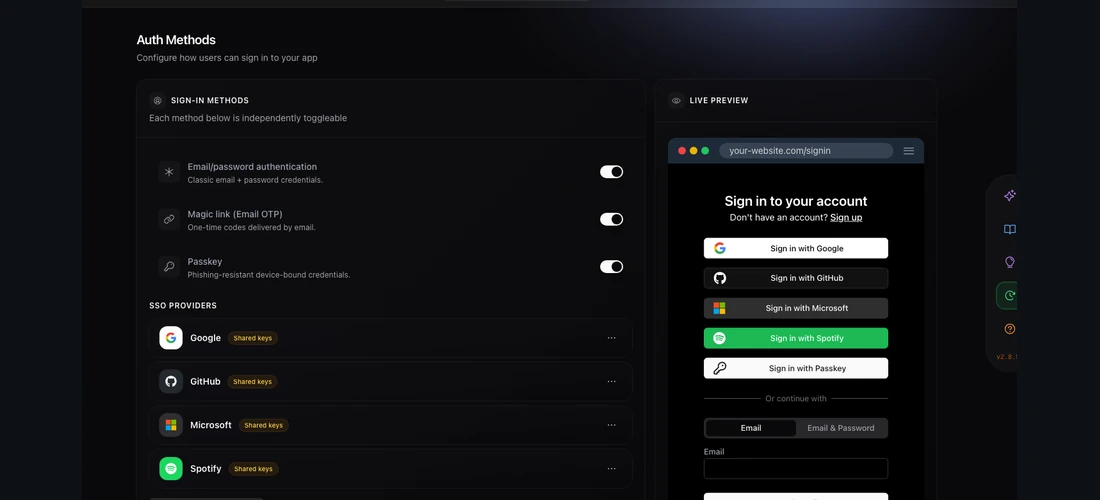
Prepare comparable interface variants so the user can preview and choose a direction.
Apply Apple-inspired physical motion and interface design concepts to web interactions.
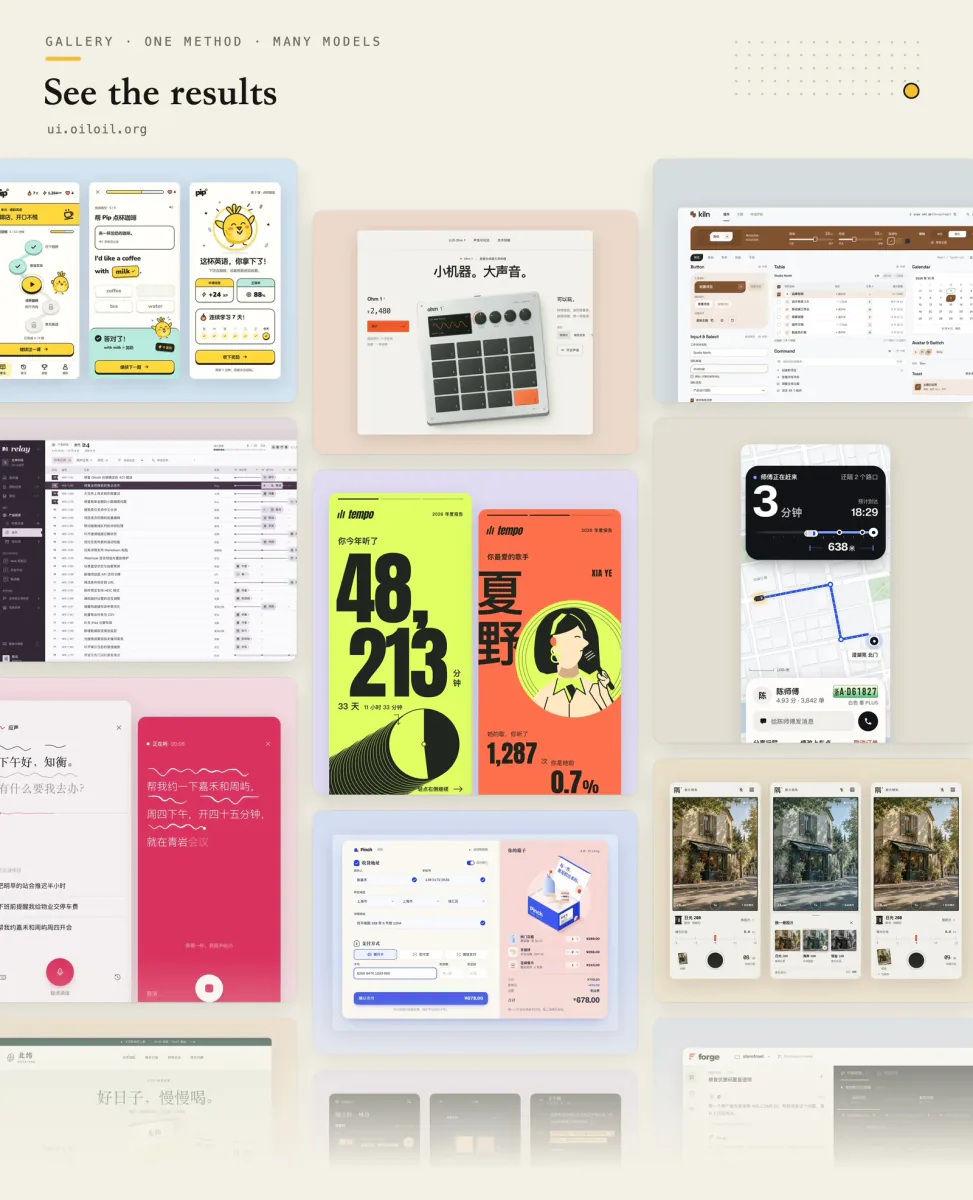
Explore and refine interface design through visual directions, same-screen style comparisons, screenshot review, and runnable UI deliverables.
Diagnose interface issues, make scoped visual improvements, and verify regressions through a three-phase workflow with persistent Markdown reports.
Review mobile and desktop interfaces against topic-routed Apple Human Interface Guidelines, with findings and fixes adapted to the application's framework.
Two workflows for visual UI feedback: connect the Agentation toolbar to a React or Next.js project, then add specific design-review annotations in a visible desktop browser.
Build distinctive web interfaces with content-informed typography, composition and visual direction.
Implement UI from Figma or an image with the project’s existing components and tokens.
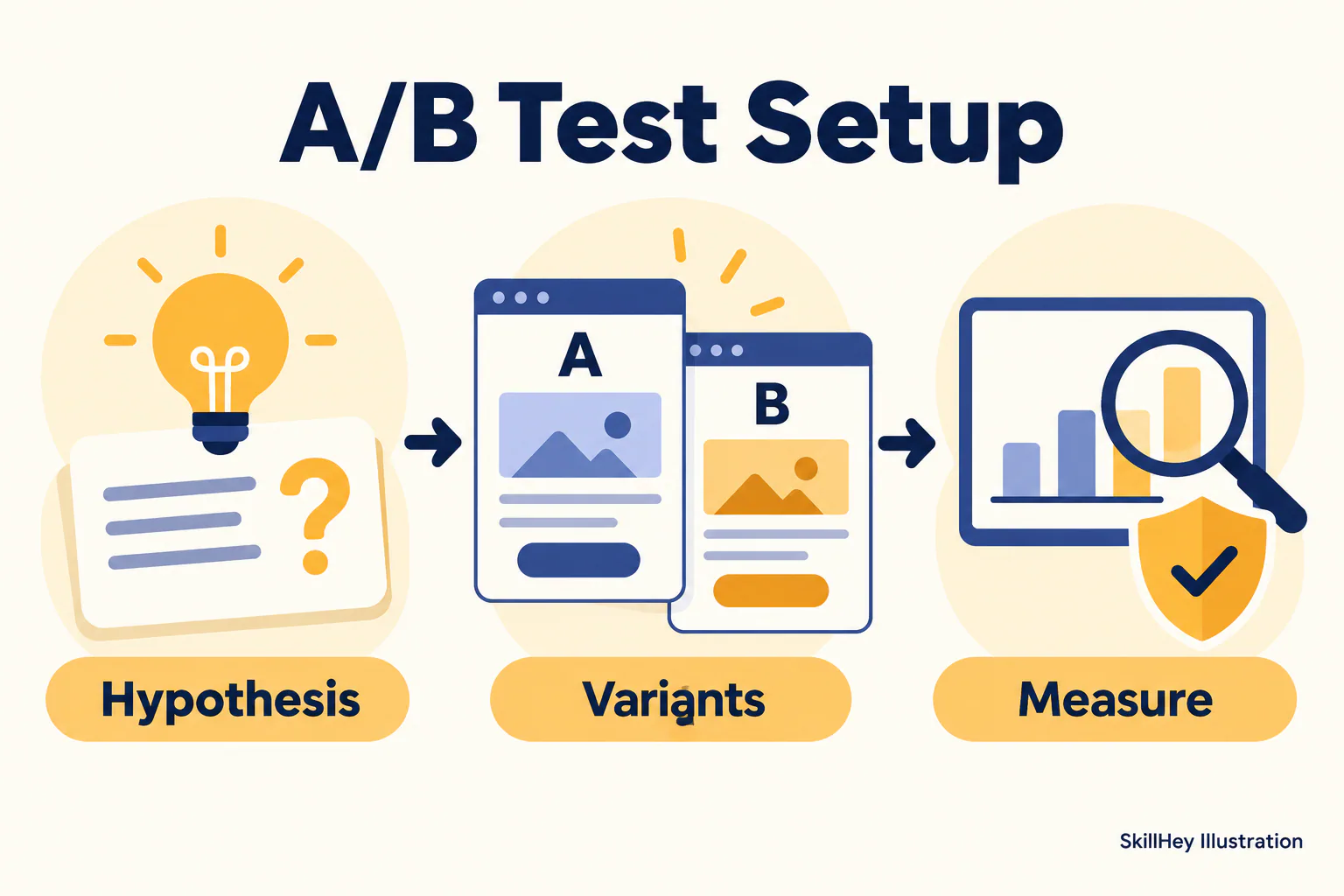
Review registration fields, error states and verification steps to identify signup friction.
A collection of 14 agent skills for interface reviews, UI implementation, component testing and technical illustration.
Polish frontend interfaces with concrete rules for typography, nested corners, shadows, icons, hit areas and restrained motion, plus structured quick or full reviews.
Use for UI design and implementation work to avoid generic AI-looking interfaces. Provides anti-slop rules, a required discovery phase before coding, and guidance for layout, typography, color, motion, accessibility, dashboards, tables, landing pages, theming, and polish. Trigger when editing UI code or reviewing and refining components, pages, screens, layouts, animations, responsive behavior, or design systems.
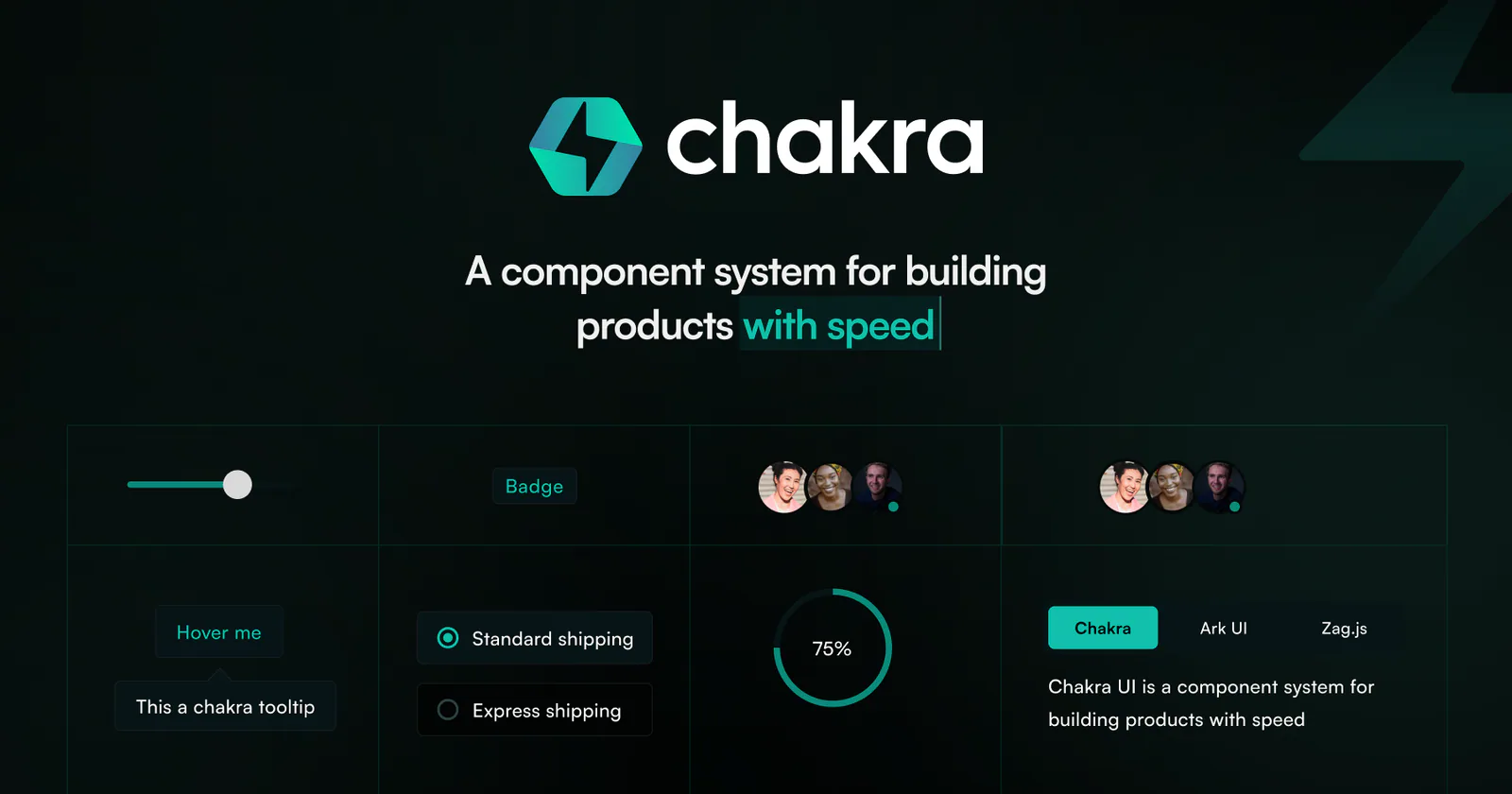
Build responsive Chakra UI v3 components, page layouts, providers, and reusable themes.
UIZZE workflows for improving interfaces, converting screenshots to UI, and finding relevant design references.
Write and review interface labels, errors, empty states and confirmations.
Define activation and improve first-run journeys, empty states and onboarding messages.

Build responsive interface components with shadcn/ui, Tailwind CSS and design-system guidance.
Compare a rendered page with a change baseline and report newly introduced, resolved and pre-existing accessibility issues.
Polish interface surfaces, icons and motion using the existing UI system.
Audit websites, apps, screenshots, mockups, and design code for harmful AI-design clichés, generic generated defaults, and established UI defects. Use when the user wants evidence-backed design feedback, an anti-slop review, or a removal-first cleanup plan without a speculative redesign.
Create a self-contained HTML specification sheet with monochrome SVG views, measured variables, exploded layers, and detailed component geometry.
Deterministic design critique for HTML/CSS screens. Runs 73 slop guards extracted from the set of rules professional designers use in production-grade designs to catch the tells that make UI read as AI-generated (gradient-clipped headlines, the default indigo accent, puffy shadows, emoji icons, fake dot charts and decorated gauges, badges floated over the hero, eyebrow kickers above the H1, fake magazine mastheads, colored edge-stripe rails, two-tone headlines, over-designed list rows, layout-collapse bugs, em-dash copy, placeholder imagery), auto-fixes what can be safely rewritten, and reports the rest with concrete edits. Use whenever generated or hand-written HTML/CSS is about to be shown, exported, shipped, or committed, or when asked to critique a design, check it for slop, or give a second opinion on a generated screen.
Designs and builds React/Next/Tailwind UI, audits visual and interaction defects, and stress-tests components with worst-case data. Use when asked to "build a landing page", "extract our design system", "add dark mode", "make this responsive", "remove UI slop", "audit this component", "stress-test this component", "break this UI", or "show me the worst case".
Inspect keyboard behavior, focus, widget states, reflow and other checks that an automated accessibility scanner cannot settle.
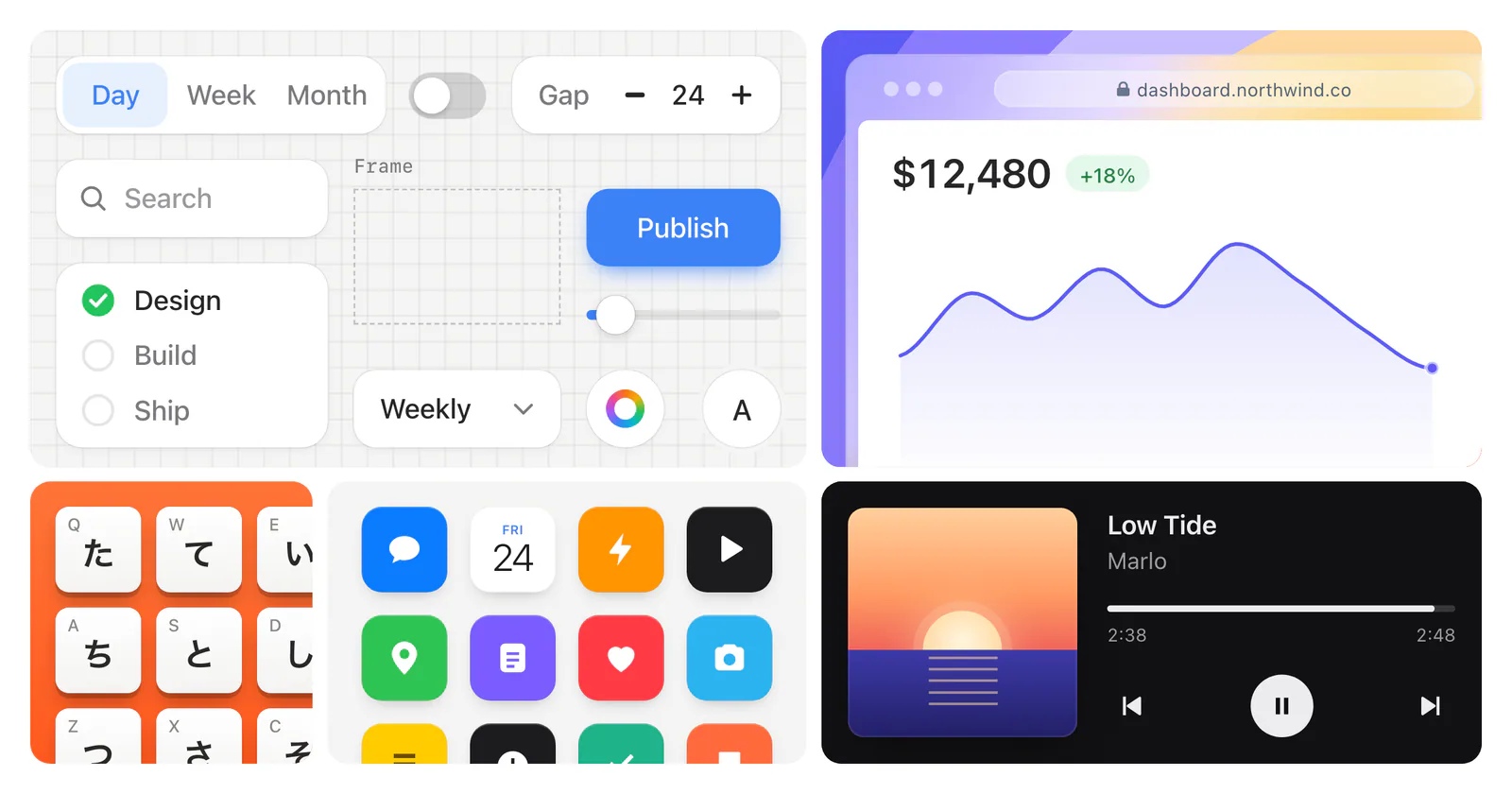
Build product UI illustrations and animated cursor demos with React: feature cards, browser windows, dashboards, phone screens and bento grids.
Compare AI design skills for design systems, shadcn/ui, frontend creation and interface refinement, with practical briefs to help you choose a workflow.
Use a critique or rules skill when you already have screens, a variants skill when you want options to compare, and an AccessLint skill when the goal is fixing accessibility issues.